
What is Quartz Crystal Microbalance with Dissipation Monitoring (QCM-D) and What Does it Measure?
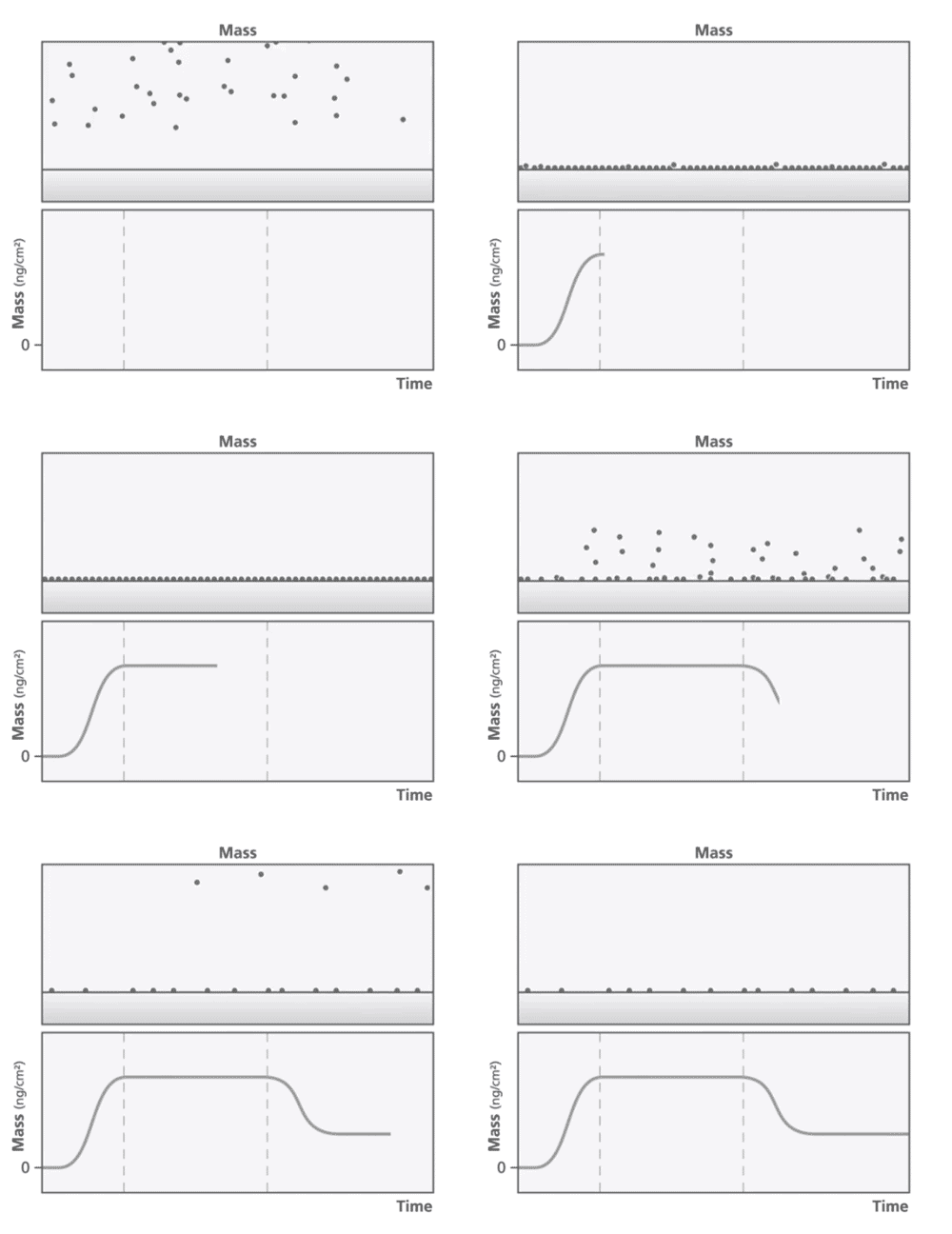
Quartz crystal microbalance with dissipation monitoring (QCM-D) instruments are powerful tools for real-time, label-free analysis of surface interactions and material properties at the molecular level. More specifically, QCM-D systems quantify nanoscale or even picoscale mass changes and viscoelastic properties in liquid-phase adsorption or desorption studies.1,2 If you are curious about adding QCM-D to your lab, you might be wondering: what factors influence the instrument’s cost, and what should you budget for?
Not all QCM-D systems are the same. While many appear similar at first glance and even after carefully comparing specification sheets there are several main topics to keep in mind when looking to purchase a QCM-D system. Luckily for you we are here to help you unravel the mystery. The real test with any QCM-D system is how small of a signal change it is possible to reproducibly measure. And this measurement ultimately comes down to how stable your baseline signal is. The baseline signal stability refers to what magnitude the frequency or dissipation signals drift or change with time. Less drift equals more stability and this means you can measure smaller amounts of mass.
An important distinction to understand is that in this blog, we discuss QCM-D systems. Standard QCMs cannot be compared directly to QCM-D systems as their functionality differs significantly. For example, QCM cannot accurately measure soft, viscous, or otherwise non-rigid layers. Measuring energy losses (dissipation) requires more advanced hardware, so QCM-D systems usually cost more than a QCM.
Next, we will review the key variables that impact the price of a QCM-D system and help you understand which category of instrument (entry-level, mid-range, high-end) best fits your needs.
What Are the Factors that Affect the Cost of a QCM-D System?
Type of QCM-D system
There are two main types of QCM-D measurement methods used on the market today, 1) ring down methods – sometimes called the “ping principle” and 2) impedance based methods. It is important to understand which method is being used because the costs and performance vary greatly. From a performance perspective the ring down method provides the ultimate in performance because it enables faster, >300 data points per second kinetic resolution enabling the capability to resolve faster reactions as well as enabling signal averaging to increase the signal to noise level and be able to resolve smaller masses. However, this comes at a cost. Ring down method instruments are typically more expensive than their impedance counterparts.
One of the most important technical details about this entire article is that the ring down method eliminates stray capacitances that are present in impedance based measurements leading to less drift and more stable signals. Impedance based methods are typically much lower cost but at the significant trade off of poorer performance and signal instabilities. Signal drifts for impedance based QCM-D methods can be so extensive that it maybe impossible to physically resolve the adsorption process of interest. This begs the question of why would I ever buy a lower cost system if it is not even going to allow me to perform the types of experiments I am interested in exploring – and this is a really good question! You should never buy an inferior system to save on budget. If you cannot use the system because the signal instabilities are so bad then you should really ONLY consider the ring down method in the first place. A detailed comparison of the benefits and advantages of the methods themselves are beyond the scope of this article and readers are instead referred to this paper for more information about the topic.
The ring down method eliminates stray capacitances that are present in impedance-based measurements, leading to less drift and more stable signals.
Number of Measurement Channels
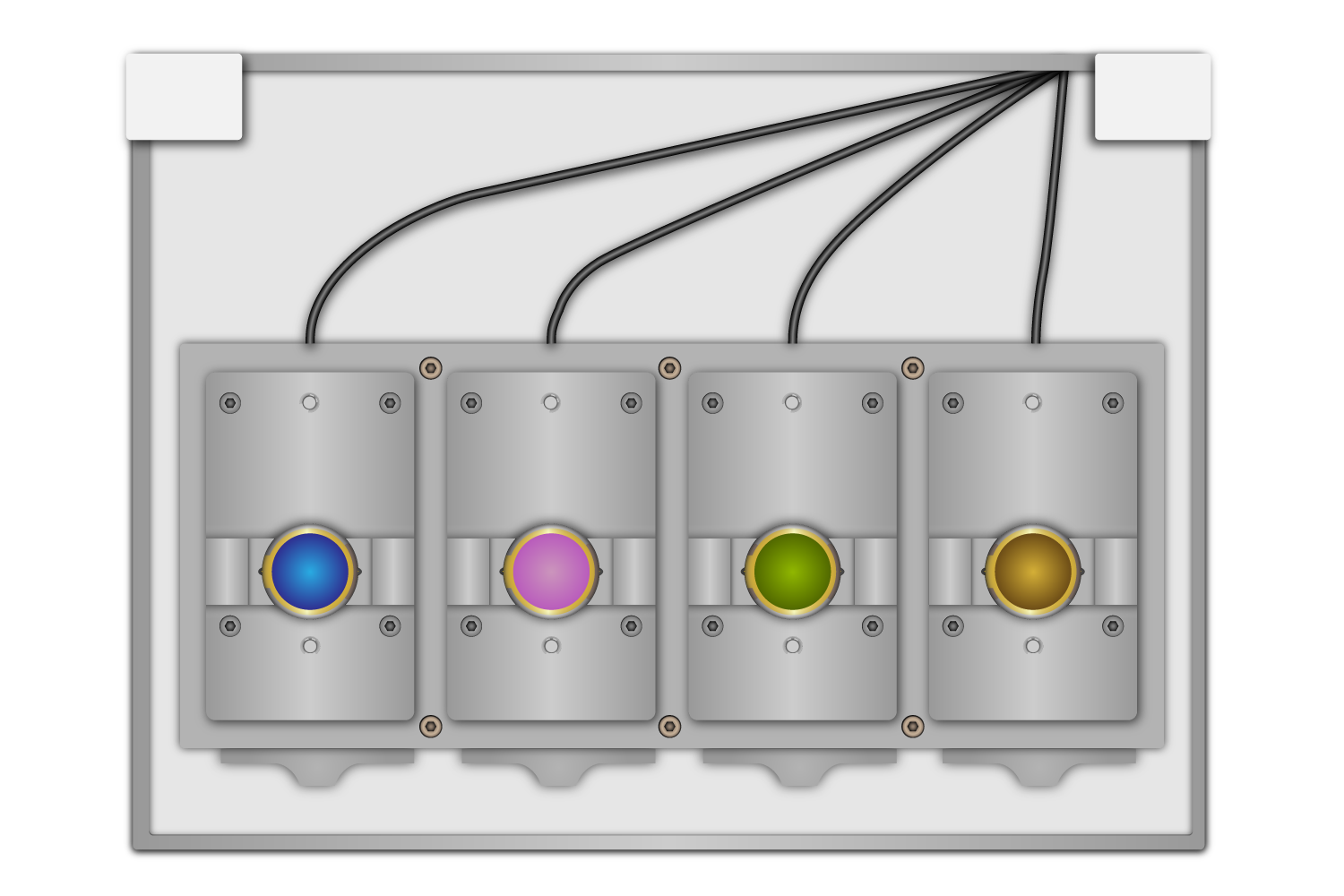
Systems range from single channel to multi-channel setups (1, 2, 3, 4, up to 8 channels). More channels allow for simultaneous experimentation, increasing both throughput and cost. Single channel QCM-D systems are more easily combined with other instruments, such as optical microscopes, ellipsometers, and electrochemistry cells since additional channels may make the setup more complicated.
Automation Capabilities
Fully automated QCM-D systems for unattended measurements or sample handling typically cost more than manual systems, but they save time and reduce error in routine workflows. Depending on the level of automation, the cost differs greatly. Examples of automated features that add to the cost of a QCM-D instrument may include automatic cleaning, sample delivery, systemic readiness/baseline stability tests, sensor quality checks, and more.
Temperature and Flow Control Options
Precision control of experimental conditions, such as temperature ramps, flow rates, or humidity, adds to system complexity and cost; however, this precision is critical for accurate results. Sensor oscillation, and therefore the resulting data signal, can be significantly influenced by temperature fluctuations and flow turbulences, so good temperature and flow control is crucial for reliable data. Higher-cost QCM-D systems typically have temperature control systems built into their hardware, ensuring that samples and reaction chambers remain at the same temperature throughout the experiment. In lower-end QCM-D systems, temperature control is typically an external accessory that requires circulating water baths, hot plates, or other devices for heating and/or cooling.
Liquid Handling and Sample Environment
Some QCM-D systems include integrated liquid handling modules, compatibility with harsh solvents, or flow chambers designed for specific sample types, including biological materials like antibodies and cells, which can increase the overall system price. The most automated QCM-D systems can process all liquid samples without user intervention, preventing contamination or unwanted diffusion between steps. Entry-level or mid-range QCM-D systems typically use tubing connected to an external pump to flow liquid samples through the experiment chamber, which may need to be handled when switching liquids for wash or buffer-flow steps. These manual interventions can introduce errors, contamination, or variability if the operator is not careful.
Software and Data Analysis Tools
Advanced software for data acquisition and modeling of viscoelastic films, multilayer adsorption, or coupled analyses with other techniques adds value, but also increases cost. The real-time data acquired at multiple harmonics can be visualized in different ways, which can change the complexity of the overall user experience. Also, having the option to apply multiple modeling approaches broadens the range of potential applications for the technology. Entry-level QCM-D instruments are usually incompatible with advanced software, so data must be processed externally and manually. Mid-range to high-end QCM-D instruments are more likely to be compatible with data analysis and/or automation software, increasing throughput and accuracy of results. These features are also important contributors to ease-of-use, reducing the training time needed for new operators.
Accessory Modules and Customization
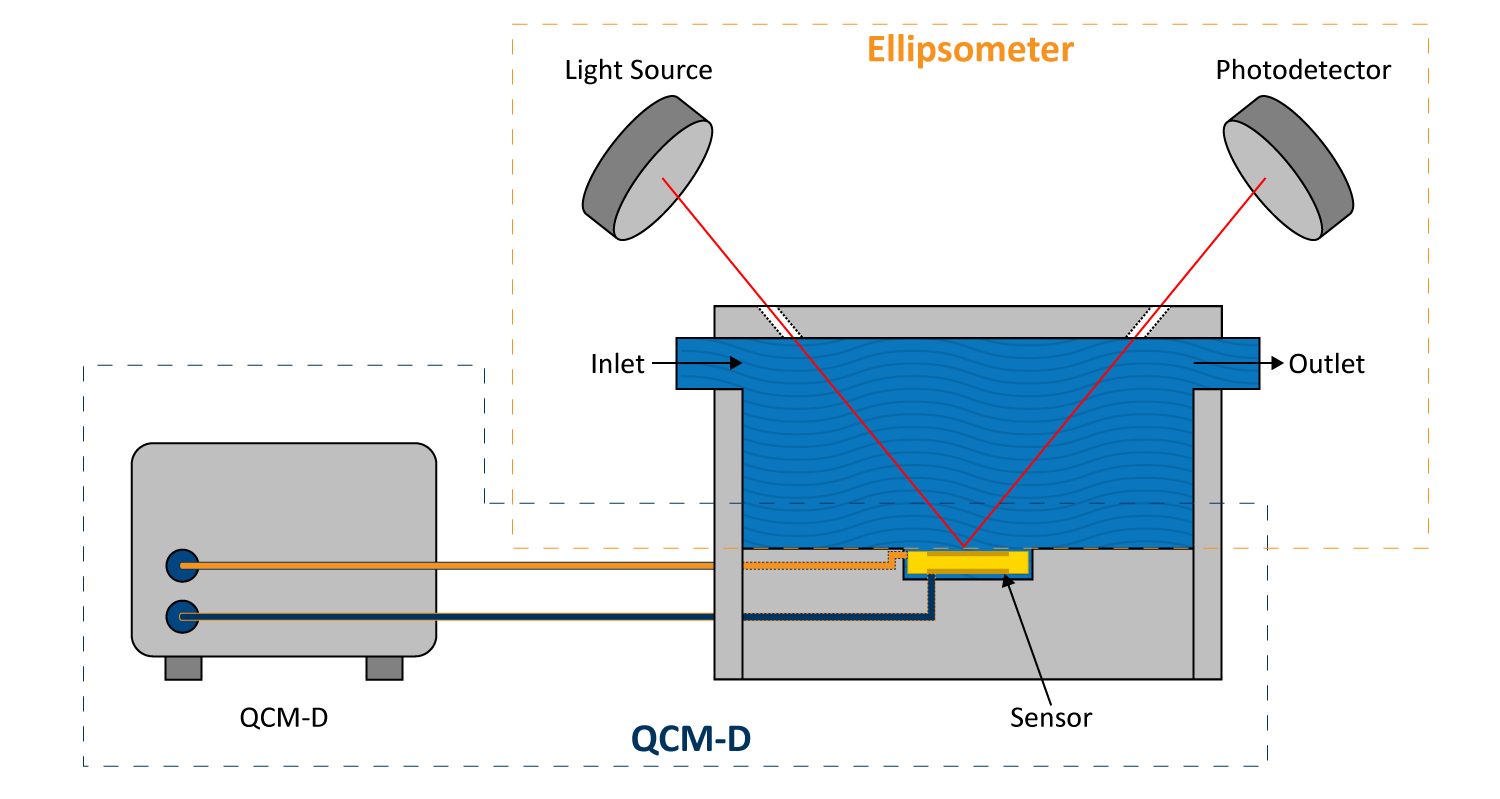
Optional modules can expand QCM-D capabilities and raise the overall price, depending on your application needs. These external modules allow users to collect simultaneous data alongside frequency and dissipation changes, including optical or fluorescence microscopy images, ellipsometry data, electrochemical measurements, and more. Entry-level QCM-D instruments are not typically compatible with these external modules, but mid-range and high-end instruments are. For more precise control over the experimental environment, a greater range of measurable parameters, and improved customization / specialization of QCM-D instruments, external modules are ideal.
QCM-D Sensor Surface Coating Range
An important consideration when considering which QCM-D system to buy is the range of available surface coatings. The QCM-D sensor surface is the heart of the technology so it only makes sense that it is extremely important. Most manufacturers supply basic surfaces like gold (Au) and silica (SiO2), however more advanced systems often offer a wider range of sensor surfaces that open up a whole new world of potential applications. Top suppliers like Biolin Scientific include their own in-house sensor manufacturing and offer ~100 different commercially available sensor coatings with the flexibility to make custom coatings on demand.
Service, Support, and Training
The level of included support, such as installation, application training, and service contracts, can vary greatly between suppliers and will almost certainly impact the total cost of ownership. When choosing between suppliers of QCM-D instruments, it is important to understand the level of support in terms of both maintenance service and application support. Correctly interpreting data from QCM-D instruments is complex, and depending on the situation, might require support from experts with years of experience using the system. Support of this nature will likely add to the total cost of the instrument over time, but the assistance provided by application scientists can have significant effects on the success of your experiment.
Price Range of QCM-D Systems
Entry-Level Models:

Entry-level QCM-D systems typically have limited features while offering a more accessible price point and easier experimental setup. Basic QCM-D instruments measure only one or two overtones of the sensor’s fundamental frequency, making them effective for quantifying mass changes of adsorbed layers in simple systems and qualitatively analyzing viscoelastic properties of soft thin-films. In most cases, entry-level QCM-D instruments only come with one measurement channel / flow cell and are not compatible with external accessories or data analysis software. They are suitable for simple experiments and provide a straightforward workflow. Prices for entry-level QCM-D systems range from $50,000-$100,000.
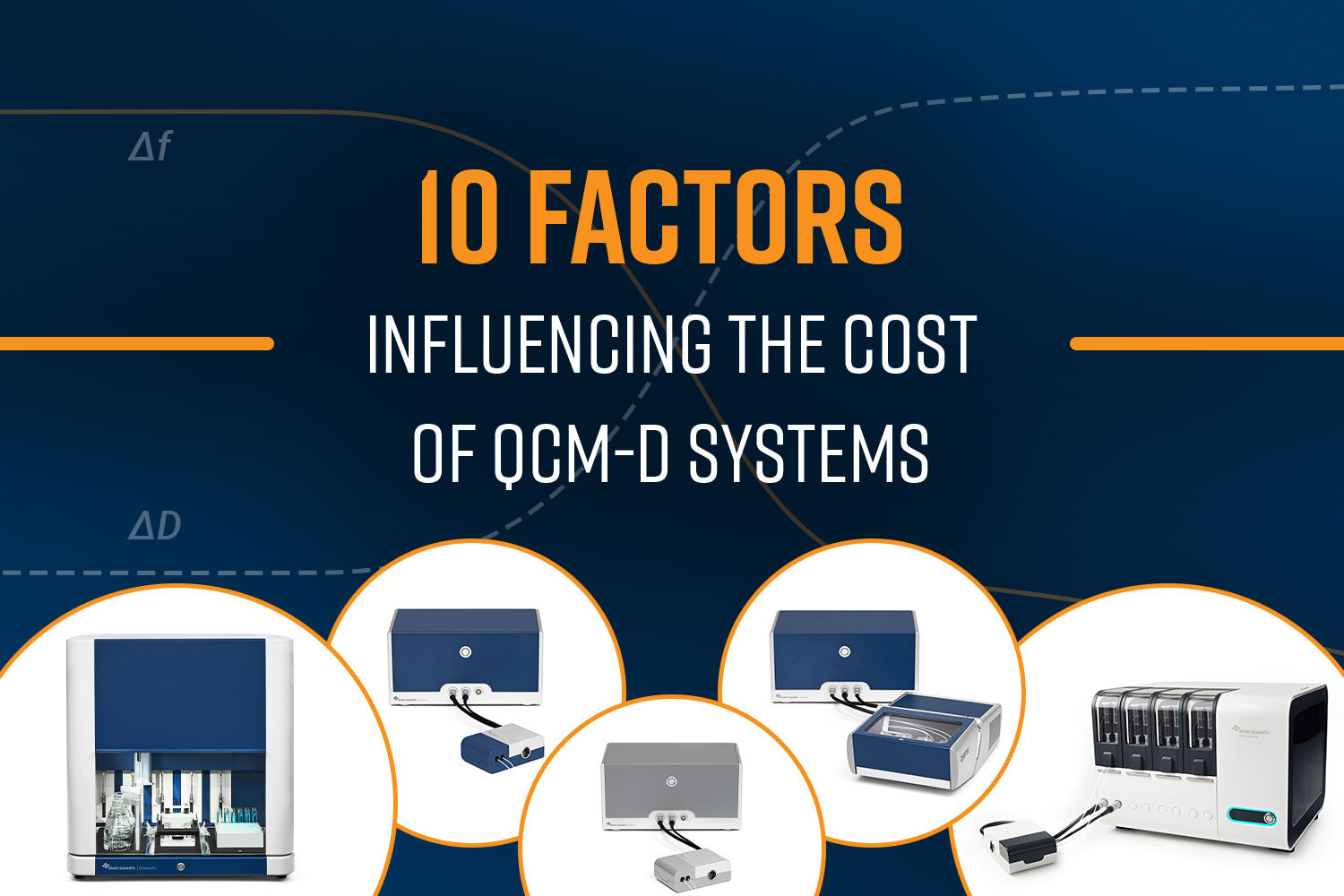
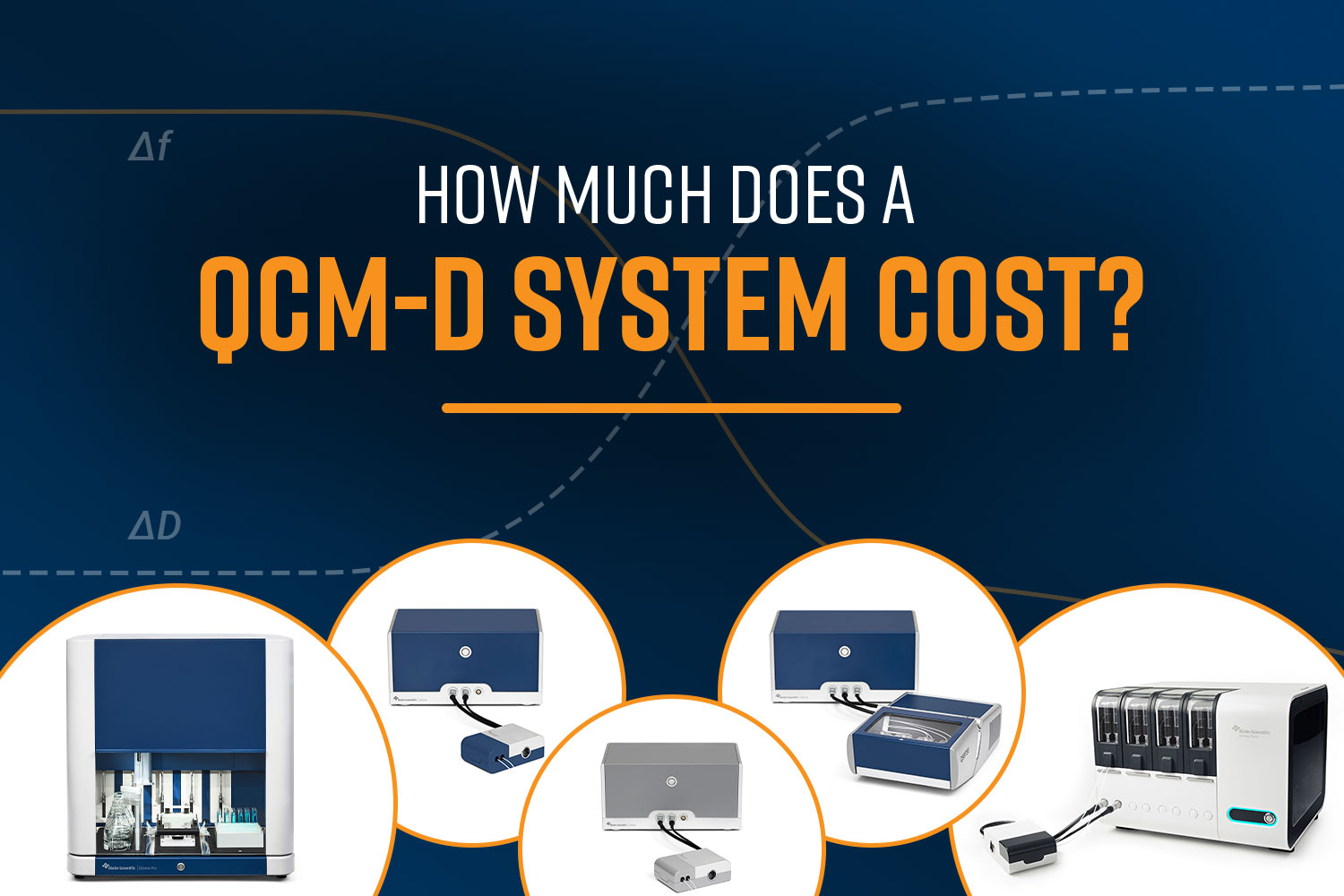
The QSense Initiator is an entry-level ring down analysis method QCM-D instrument that is designed for beginners and provides a simplified introduction to the technology. It provides stable temperature control from 25 – 40 °C and offers real-time, label-free measurements of mass changes and film thickness during liquid flow experiments.
Mid-Range Models
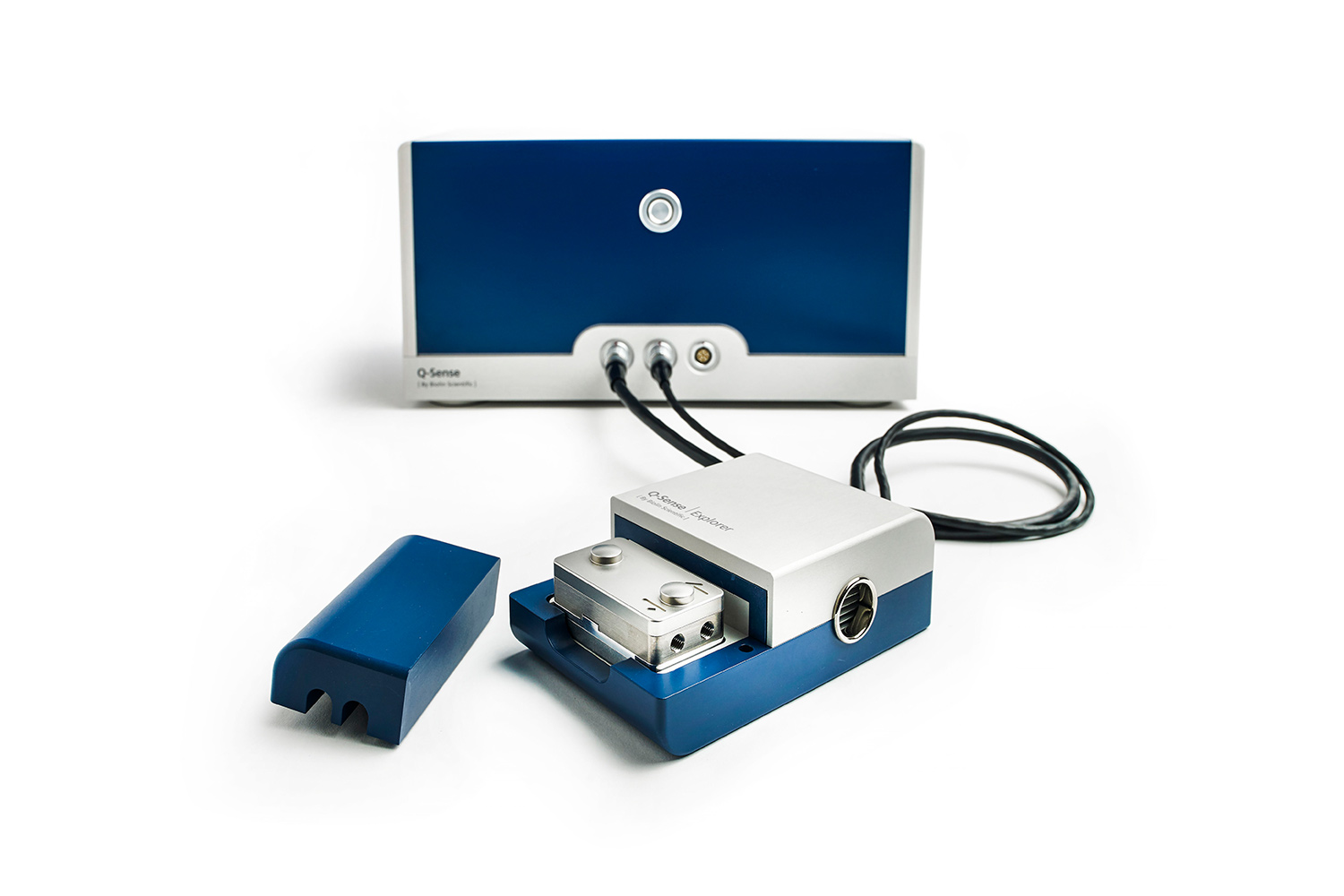
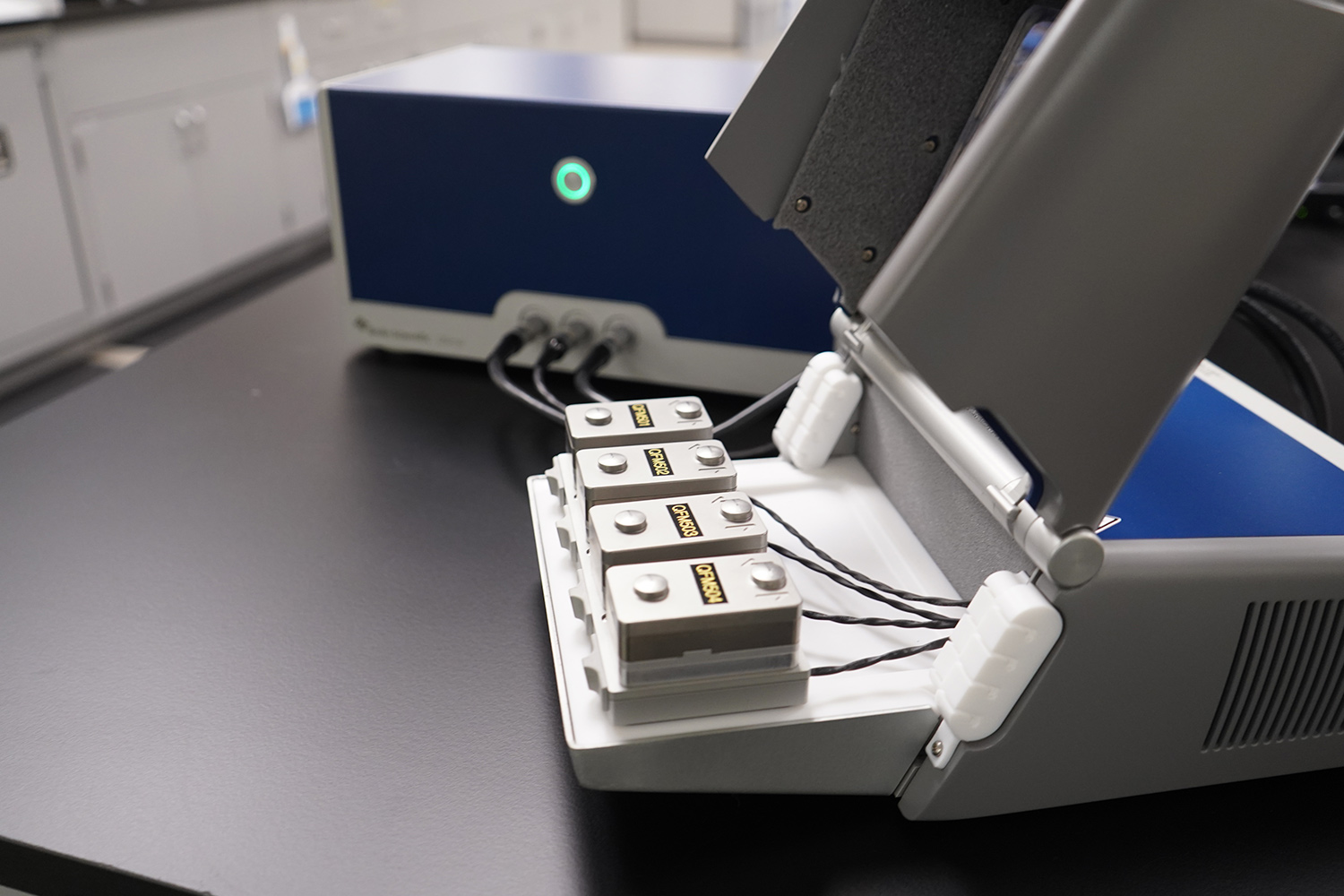
Mid-range QCM-D systems offer greater experimental flexibility, larger temperature control ranges, more measured harmonics, and compatibility with advanced data analysis software platforms. They are typically not automated and require several manual tasks to operate the system. By measuring additional harmonics, mid-range QCM-D systems penetrate deeper into the adsorbed layer, providing more thorough insight into the molecular interactions or structural changes taking place. Mid-range systems are often also compatible with specialized extended modules or flow cells. Mid-range QCM-D instruments can also feature more than one channel, with some systems offering up to four measurement channels to enable parallel experiments. Prices for mid-range QCM-D instruments can range from $100,000 to over $150,000, depending on the configuration.
The QSense Explorer and Analyzer are both mid-range QCM-D systems that offer excellent stability and experimental flexibility. The main difference between the two models is the number of measurement channels; the Explorer has one channel, while the Analyzer has four. The additional channels of the Analyzer enable running four experiments simultaneously and under identical conditions using customizable sensor surfaces, solutions, and flow modes.
High-End Models
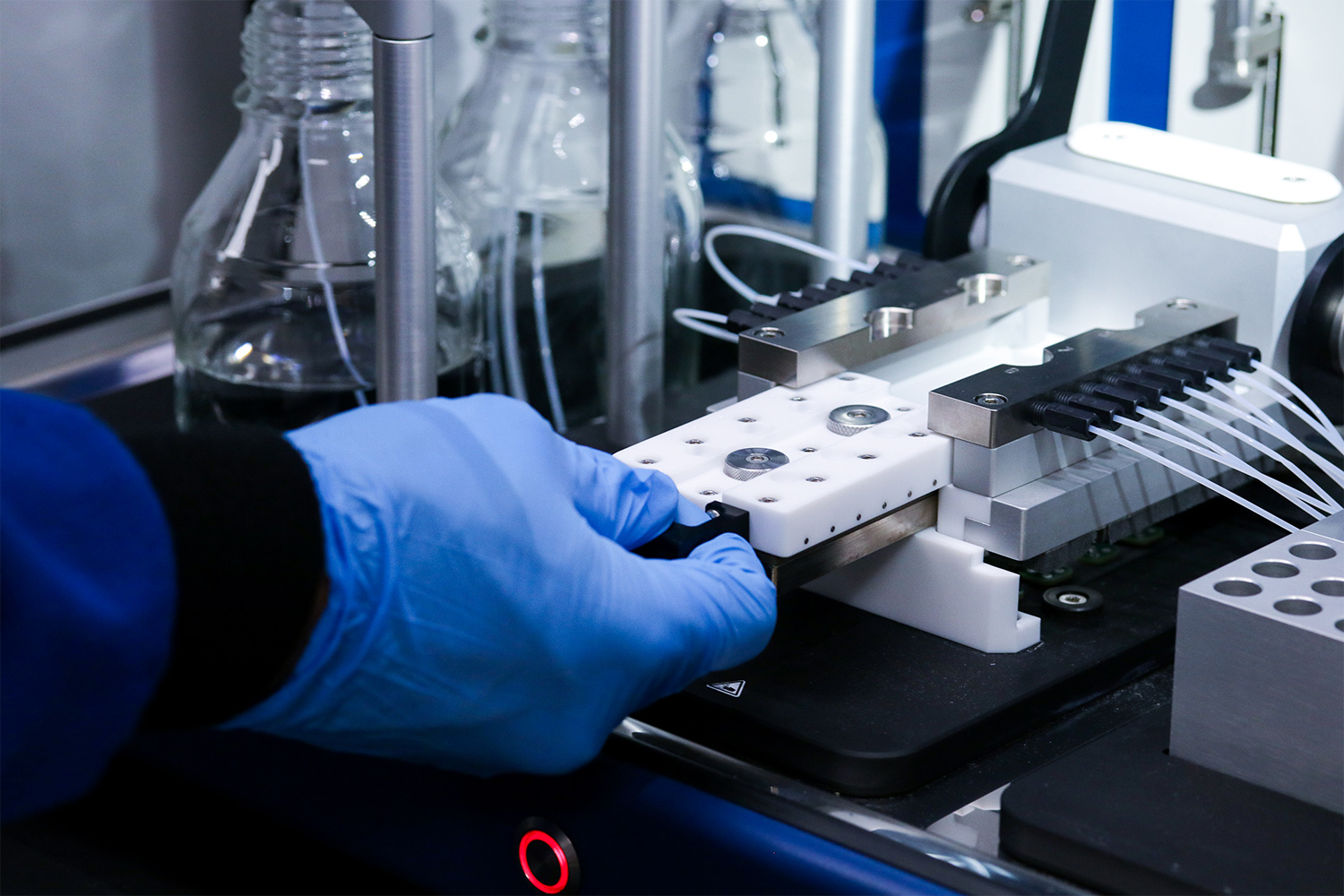
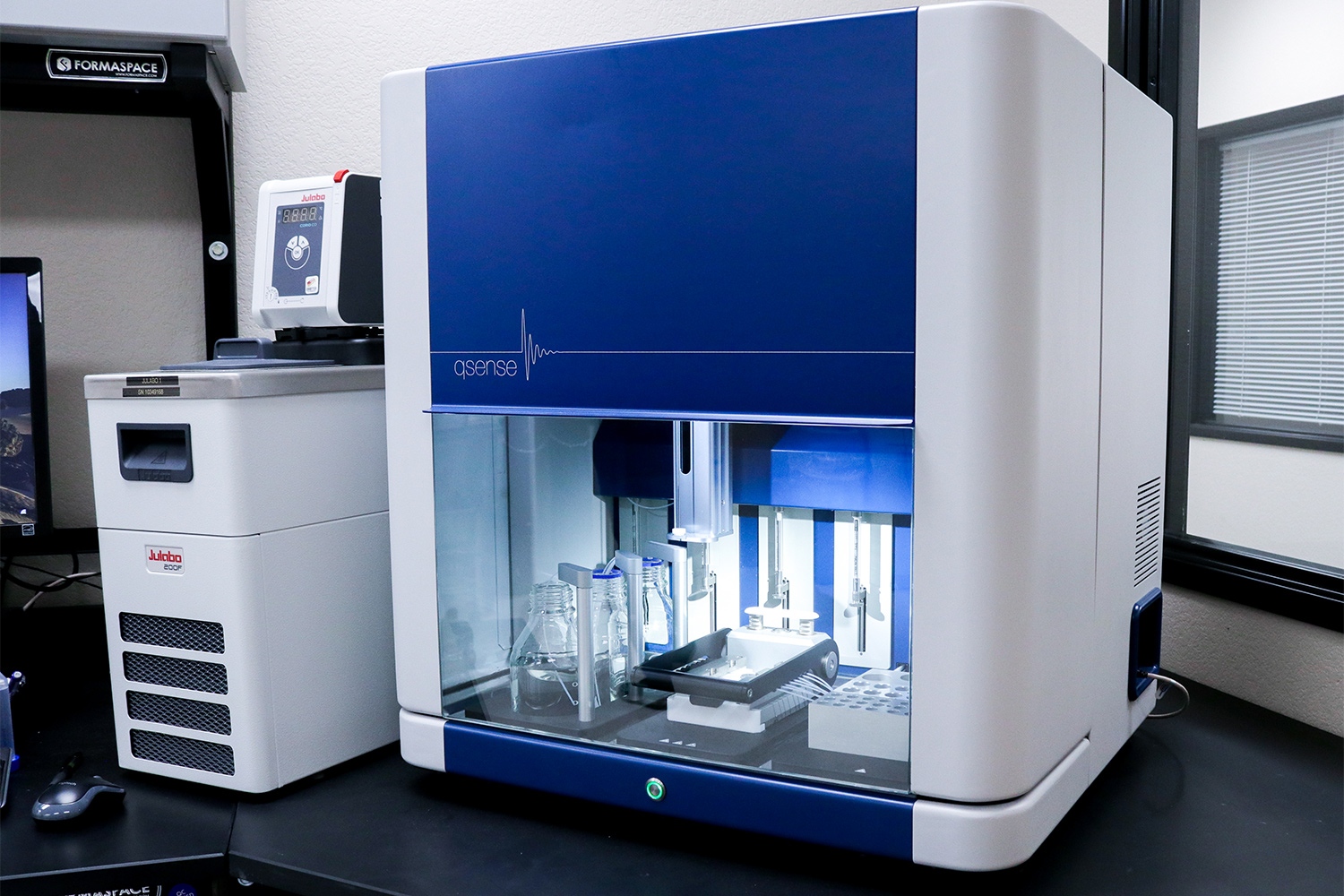
Equipped for high-throughput laboratory applications, high-end QCM-D instruments are the peak of precision, automation, and signal-to-noise. These instruments have improved signal-to-noise ratios compared to mid-range models, and automation empowers user-friendly operation of the instruments. Depending on the specific model, high-end QCM-D instruments can be compatible with harsh chemicals and gas phases. Up to 8 channels can also be supported by these systems, greatly increasing experiment efficiency and throughput. External modules can be added to these systems to analyze electrochemistry, ellipsometry, or optical morphology. High-end QCM-D instruments cost between $150,000-$250,000, depending on the specific model, number of channels, and inclusion of any extended modules.
The QSense Pro and Omni are high-end QCM-D systems with the greatest precision and throughput capabilities of the QSense line. The Pro model can support up to 8 measurement channels, streamlining large-scale screening of surface and interfacial interactions. The Omni, which supports 1 to 4 measurement channels, has the best signal to noise and lowest limit of detection of any QSense instrument. Both models have automation features that enable reproducible experimentation with minimal operator intervention.


Summary:
There are many factors that influence whether a QCM-D system is entry-level, mid-range, or high-end, including hardware, software, and support options. Depending on your experimental needs, having a high-end instrument with more channels, improved signal-to-noise, tighter environmental controls, or automation software could enable more efficient development. Entry-level instruments, such as the QSense Initiator, are valuable for introducing QCM-D technology to a greater variety of lab environments, or to less experienced operators. For other applications, mid-range instruments like the Qsense Explorer or Analyzer balance cost and measurement ability.
References:
- Liu, G.; Zhang, G. Basic principles of QCM-D. In Springer briefs in molecular science; 2013; pp 1–8. https://doi.org/10.1007/978-3-642-39790-5_1. ↩︎
- Chen, Q.; Xu, S.; Liu, Q.; Masliyah, J.; Xu, Z. QCM-D study of nanoparticle interactions. Advances in Colloid and Interface Science 2015, 233, 94–114. https://doi.org/10.1016/j.cis.2015.10.004. ↩︎