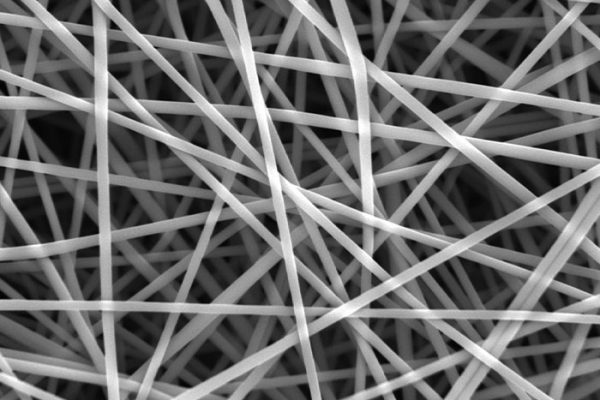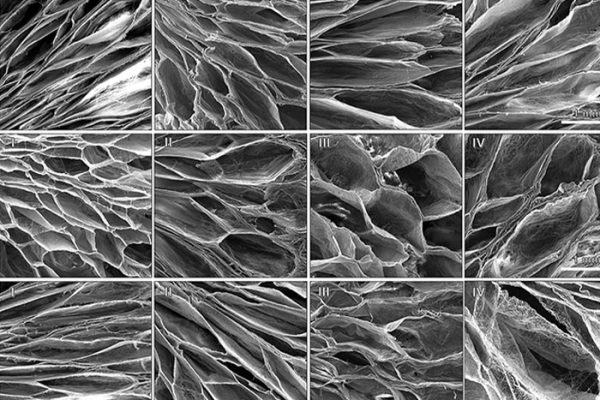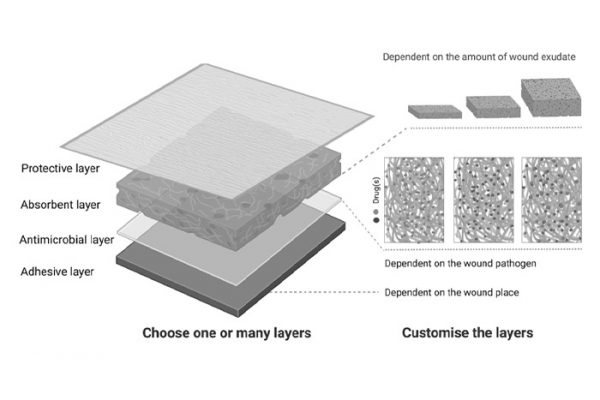

Advancing sustainable, animal component-free (ACF) materials for cell culture is critical for tissue engineering, regenerative medicine, and cellular agriculture, yet conventional scaffolds and microcarriers rely heavily on synthetic or animal-derived polymers that limit reproducibility, scalability, and regulatory alignment. This discussion investigates electrospinning and electrospraying as versatile fabrication strategies for producing fibrous scaffolds and hydrogel microcarriers from renewable, plant-based biopolymers, including zein, alginate, and plant protein isolates.
Using controlled electrofabrication parameters, electrospun plant protein fibers with tunable diameter, alignment, and porosity are produced at Nexture Bio, alongside electrosprayed, crosslinked hydrogel microspheres with consistent spherical morphology. Both material formats demonstrated stability under cell culture conditions and supported cell attachment and proliferation across multiple mammalian and non-mammalian cell types, highlighting broad applicability from gene therapy to cultivated meat.
These results demonstrate that precision electrofabrication enables scalable, food-safe, and ACF cell culture platforms with tunable structural and functional properties, providing a foundation for downstream bioprocess integration and future translation toward GMP-compliant, high-throughput manufacturing.