

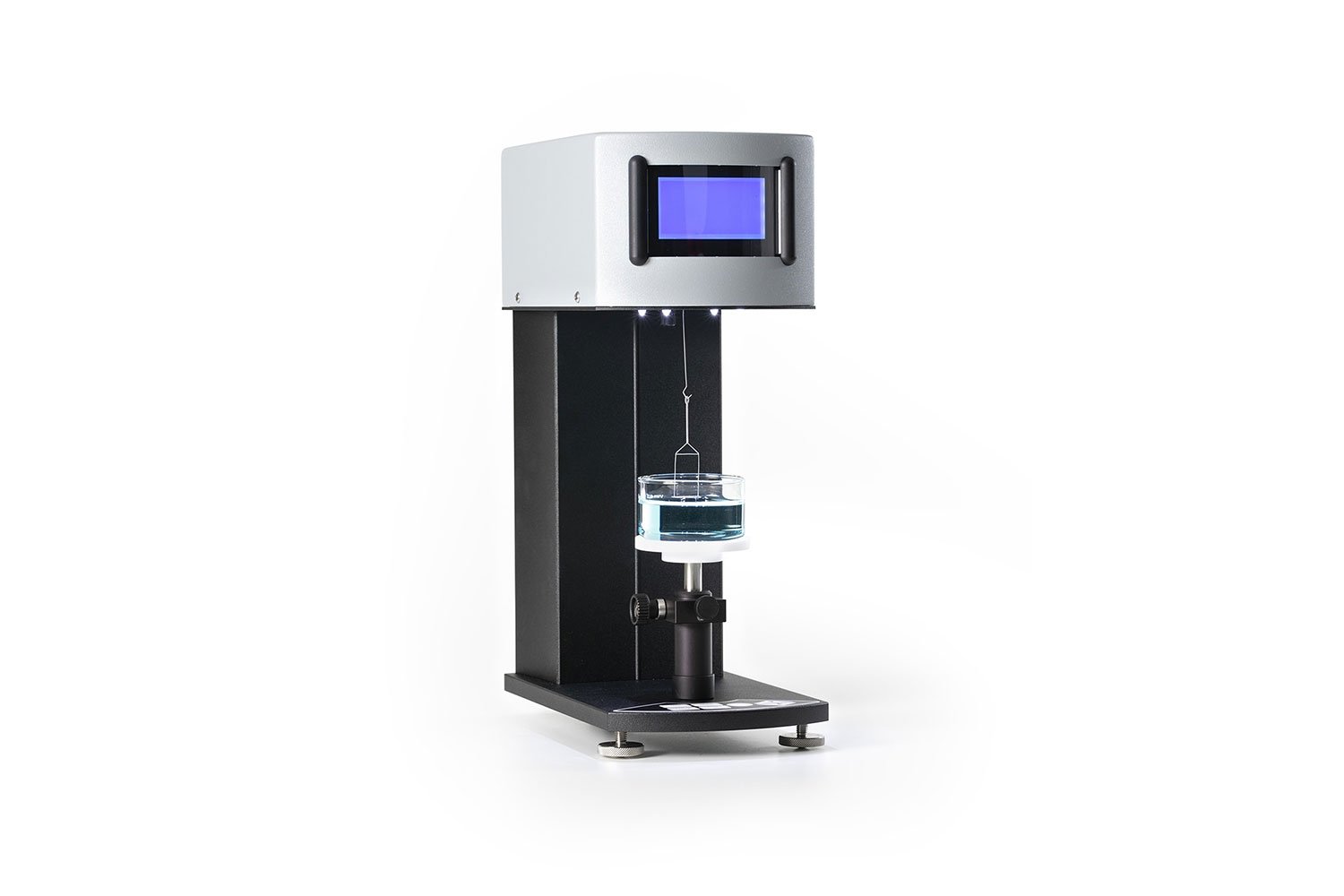

Attension® Sigma Force Tensiometers
Attension® Sigma 703D
The Sigma 703D is a simple and robust digital force tensiometer for accurate measurement of surface and interfacial tension (Platinum Du Noüy ring, Platinum Wilhelmy Plate), and density. Manual measurement of Critical Micelle Concentration (CMC) can also be conducted.
Economic Solution
Powerful entry-level research system equipped for CMC
No Computer Required
Run experiments and display results without the need for a computer
Talk to an Instrumentation Specialist Today!
Sensitive instrument with a compact footprint
The Sigma 703D is a manual, standalone force tensiometer designed for straightforward surface and interfacial tension measurements, along with liquid density analysis. It is widely used in both academic and industrial laboratories, including for quality control of surfactant solutions. The built-in digital display and keypad allow users to perform measurements without a separate computer. With a sensitive microbalance and robust design, the 703D delivers reliable results while maintaining a compact footprint. This instrument is ideal for routine applications where simplicity and accuracy are essential.
Supported Measurements

Surface Tension/ Interfacial Tension
Measures forces at a liquid’s surface or at an interface between two dissimilar phases.
Applications:
Detergents, agrochemicals, paints, food science, pharmaceuticals

Critical Micelle Concentration (CMC)
Measures the surfactant concentration where micelles form
Applications:
Pharmacology, contaminants, detergents, sodium dodecyl sulfate (SDS) studies, cosmetics

Density
Determines the density of a liquid using a probe of known weight, or the density of a solid using a liquid of known density
Applications:
Oil, food science, pharmaceuticals, coatings
Attension® Sigma 703D
Product Features
Balance Hook Probes
Balance hook probes for the Sigma 703D include essential tools for standard surface and interfacial tension measurements. The Du Noüy ring and Wilhelmy plate, both made from platinum and compliant with international standards, are used in classic measurement methods. The platinum rod works well with small liquid volumes, and the density probe is used to measure liquid density with high accuracy. These probes support the primary functions of the Sigma 703D in academic and industrial quality control settings.
Standalone Operation
The Sigma 703D runs as a fully standalone system, with a built-in digital screen and keypad that eliminate the need for a connected PC during routine operation. Results are displayed directly on the integrated screen, and data can be exported to an external computer for reporting or further analysis. This design simplifies day-to-day workflows, especially in production or quality control environments.
High-Resolution Balance
The Sigma 703D features a microbalance with 0.01 mg resolution and a maximum load capacity of 5 g. This level of sensitivity captures even subtle changes in force, which is essential for low-tension systems or small sample volumes. Automatic balance calibration helps maintain consistency across repeated measurements, reducing the need for manual adjustment.
Application Support & Local Service
In the US and Canada, the Attension products are supported and serviced by Nanoscience Instruments. We pride ourselves on providing exceptional application support and field service, ensuring your team of users is well-trained and the instrument is up and running in optimal condition. Whether you are interested in discussing the feasibility of a specific experiment or need help with troubleshooting your Attension system, our Support teams are here for you!
Attension® Sigma 703D
Product Knowledgebase
Webinar
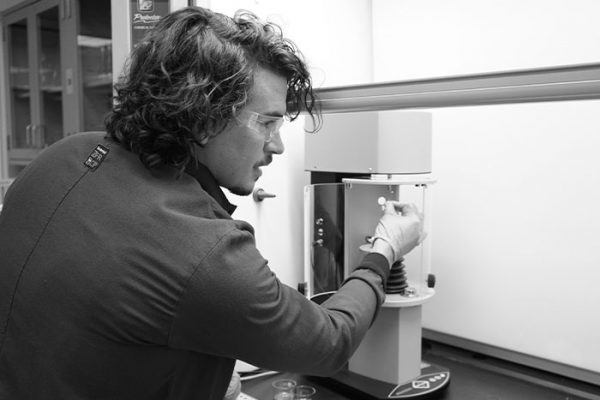
Optimizing Battery Materials with Force Tensiometer for Efficient Manufacturing
With the increased reliance on batteries for renewable energy power consumption, the devel…
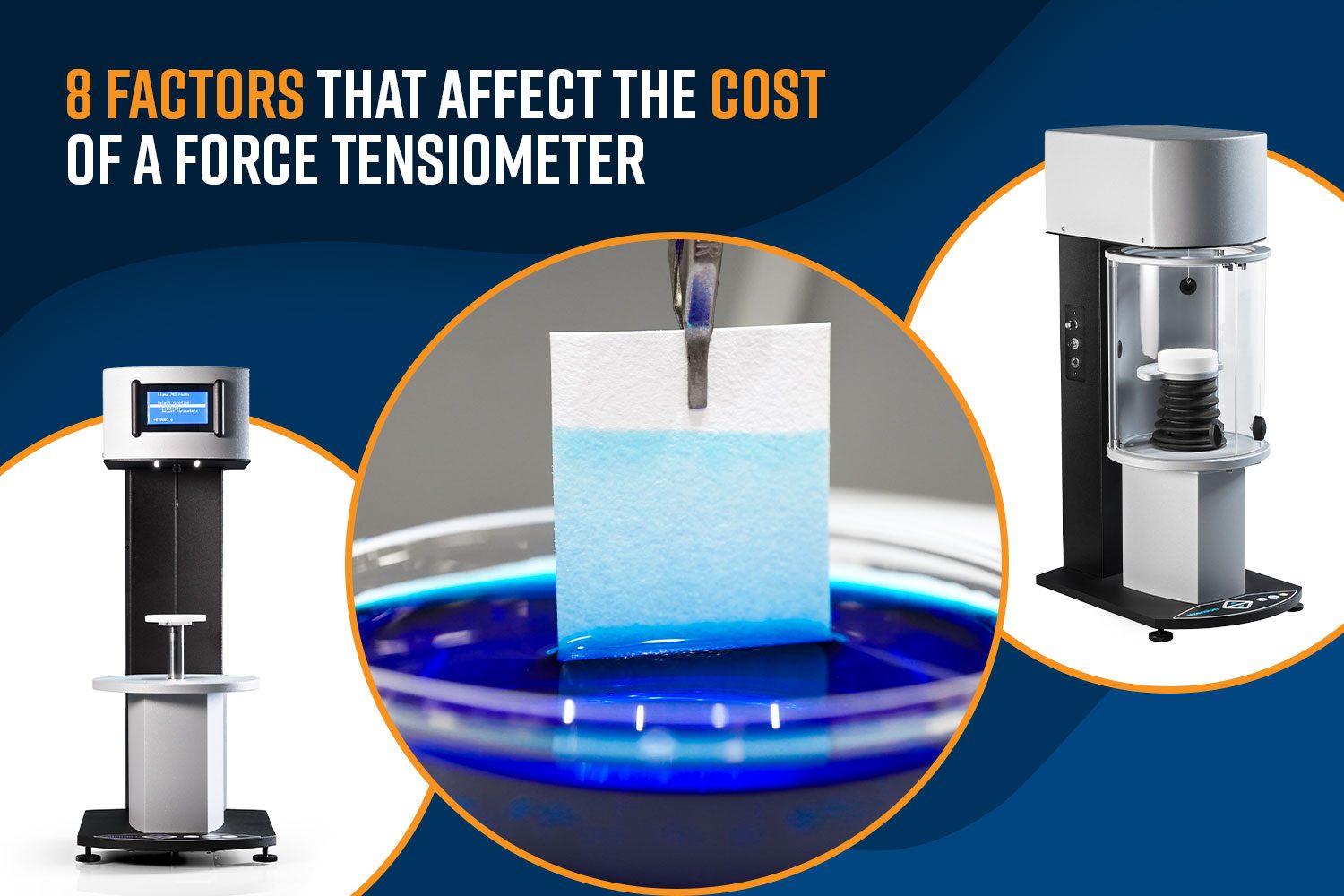
8 Factors That Affect the Cost of a Force Tensiometer
A force tensiometer is an instrument that uses a highly sensitive analytical balance and s…
White Paper
Surface and interfacial tensions of liquids significantly affect their wetting behavior an…