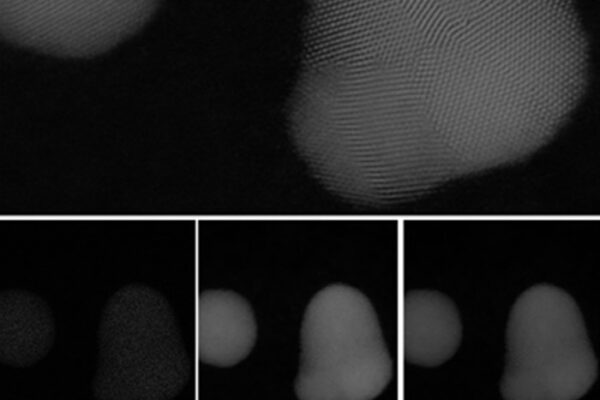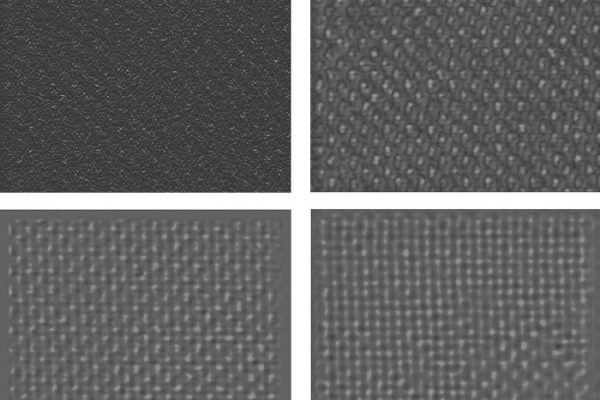
In this webinar, we will introduce ‘Compressed Sensing’ software from SenseAI, which samples a fraction of the data without loss of any inherent information. This generates images faster with significantly reduced beam damage and up to 100x less data. Most importantly, there is no loss of integrity of the images.
Professor Nigel Browning, co-founder and CSO of SenseAI will discuss the limitations in current imaging techniques, from beam damage to slowness, complexity and poor results. Nigel will then introduce the SenseAI software with a live demo of it in action.
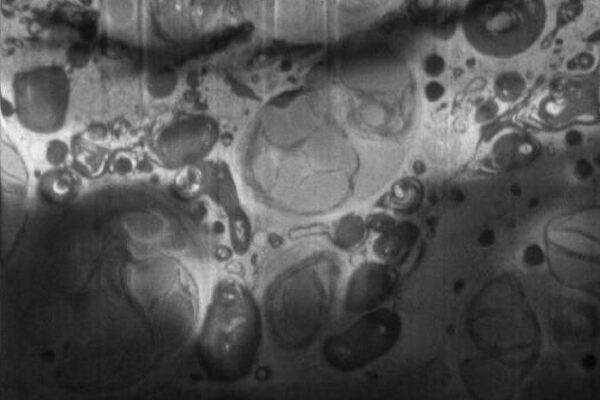
The webinar will also feature a case study from King’s College London in the UK, who are using SenseAI to reduce beam damage, improve image quality, work much faster and reduce the amount of data used. Professor Roland Fleck, Academic Director of the Centre for Ultrastructural Imaging at King’s College London will discuss how the compressive sensing software from SenseAI enables them to collect better quality images at a fraction of the data, working much faster than they would otherwise, saving costs, and generating much higher success rates.