The battery industry faces increasing demands for high-performance electric vehicles (EVs), low-carbon recycling processes, and other environmentally forward solutions. To address these demands, it is critical to optimize every step of the battery fabrication process, including early steps such as producing high-quality precursor cathode active material (pCAM).
Physical properties of pCAM have a significant impact on the corresponding battery’s cycle life, charge capacity, and charge/discharge rates. These parameters include particle size and distribution, particle morphology, crystal microstructure, and purity. A desktop scanning electron microscope (SEM) can be used to characterize these, ensuring the production of top quality pCAM for battery research and development.
What is pCAM?
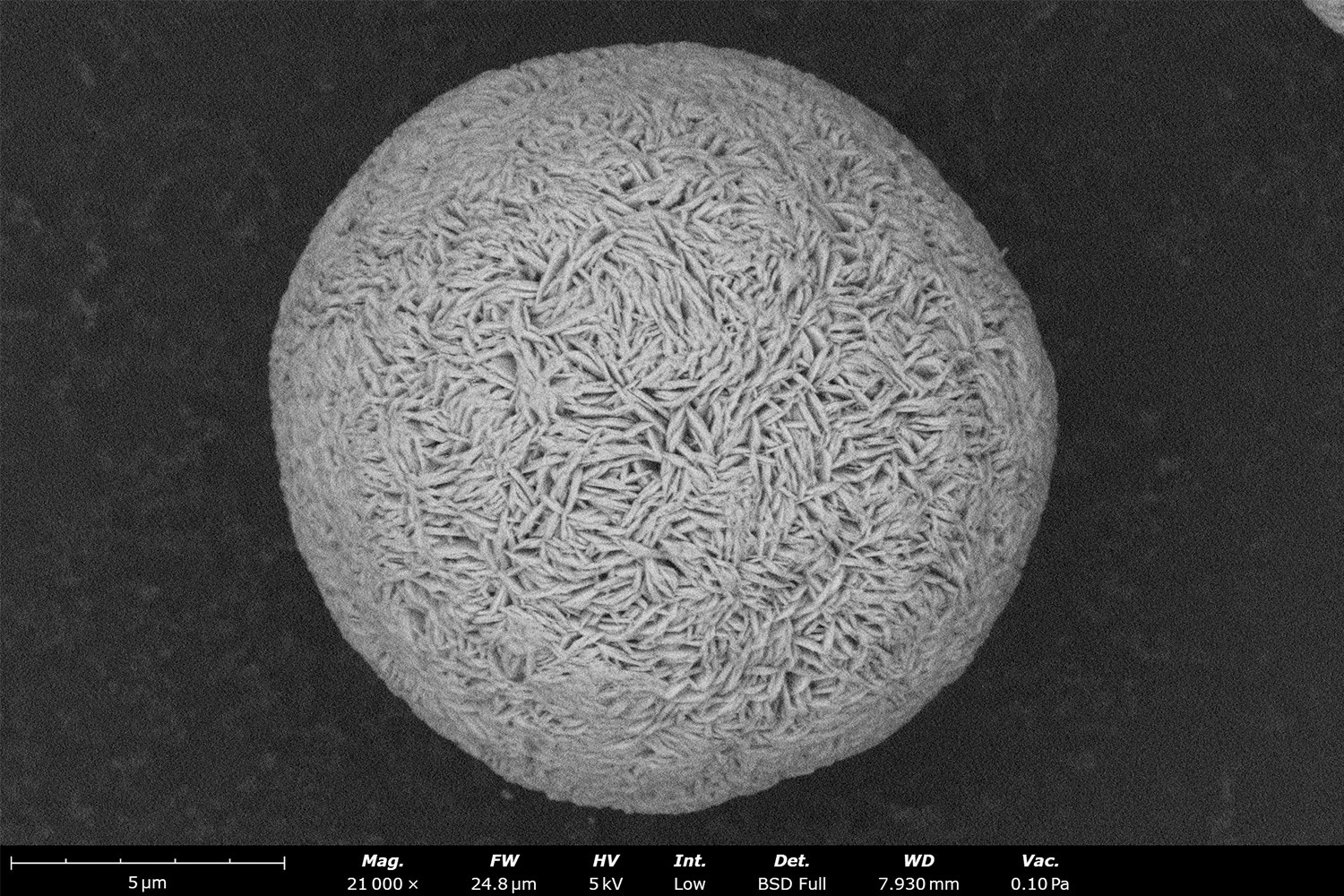
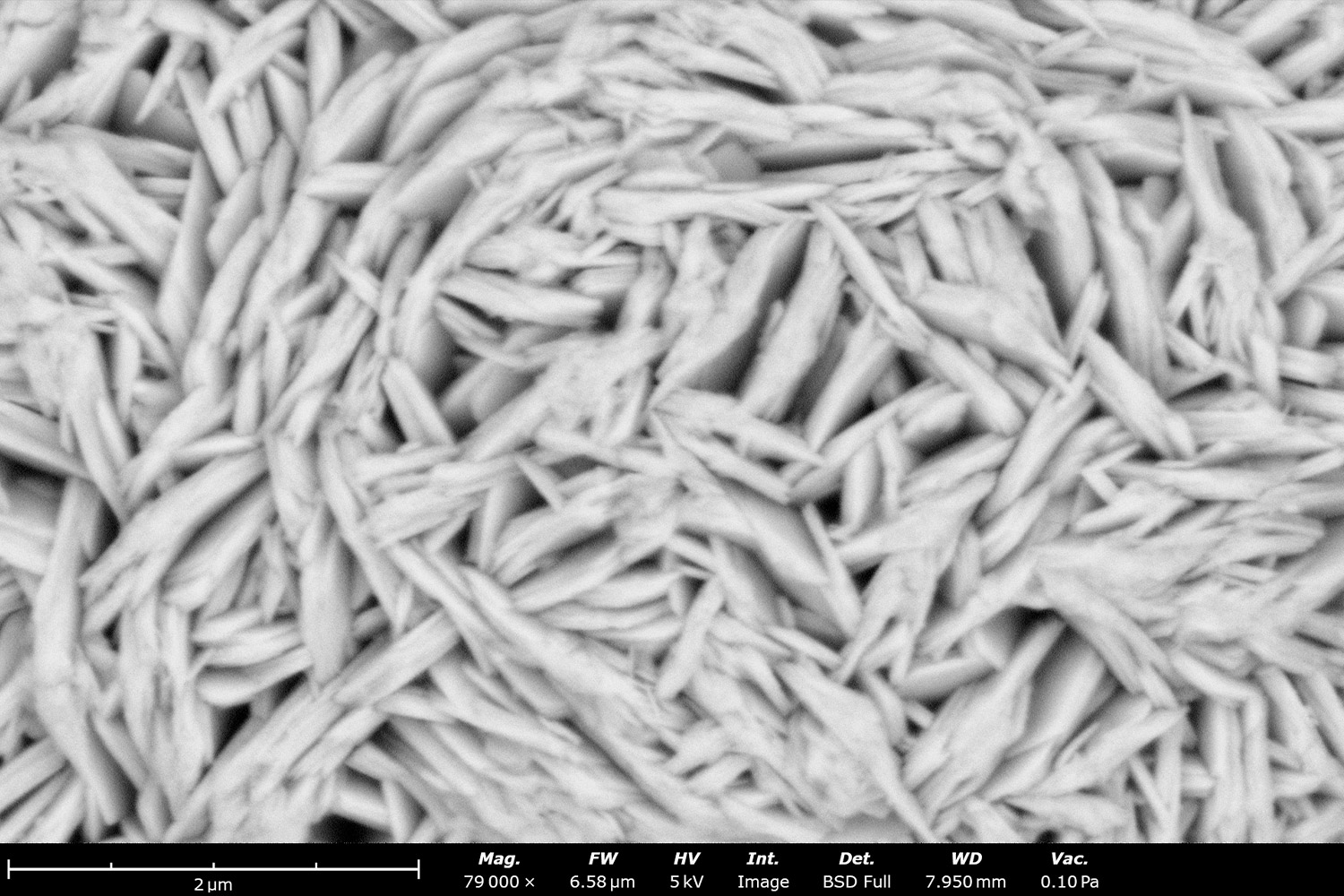
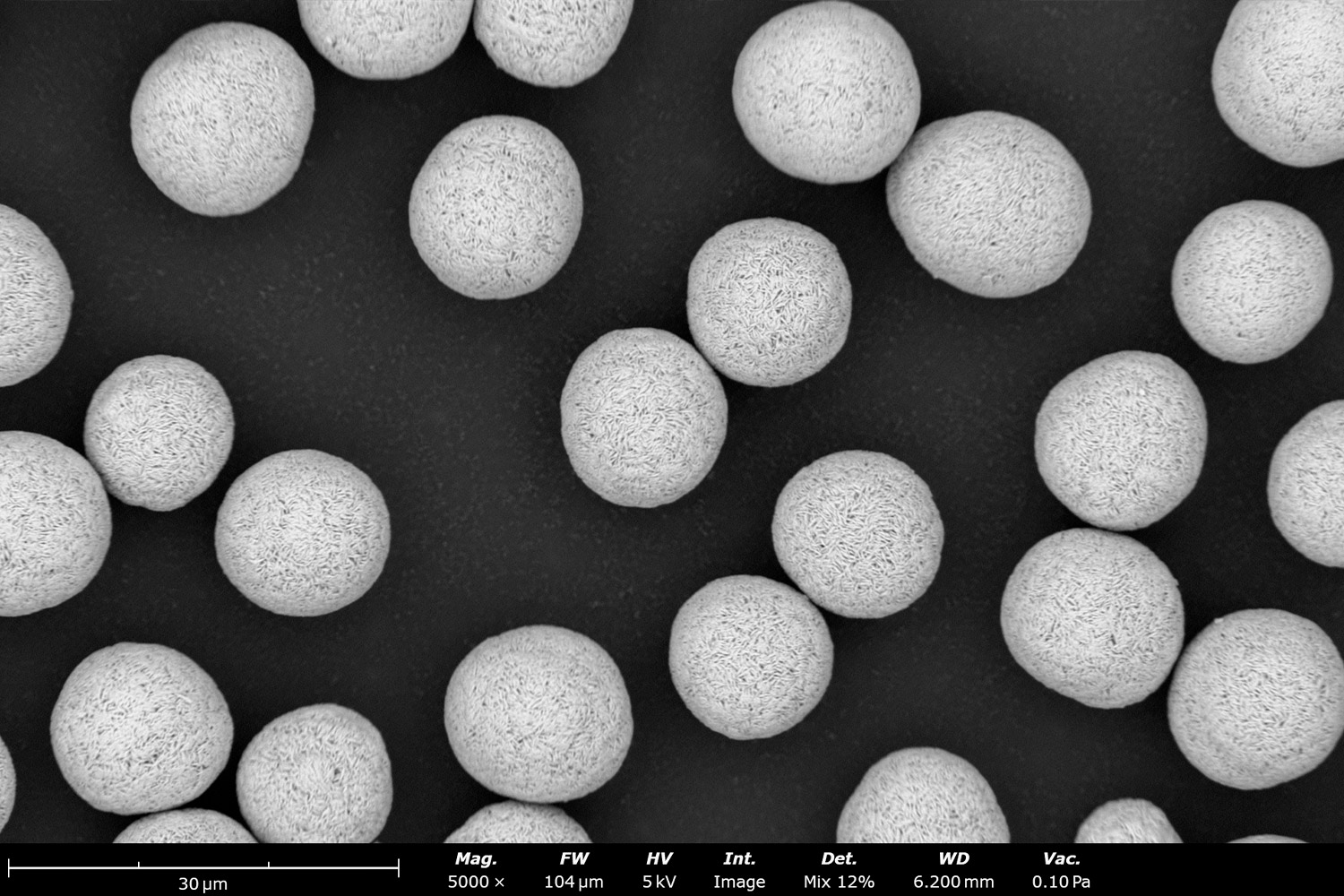
As stated in its name, pCAM is a precursor material for cathode active material (CAM). It is a fine crystalline ceramic powder that serves as an intermediate material for cathode active material (CAM). CAM makes up the bulk of the cathode mass, through which lithium ions intercalate and deintercalate during charging and discharging in lithium-ion batteries. The surface of pCAM particles is comprised of primary particles, which appear as “basket weaves” as seen in Figure 1. pCAM is composed of electrochemically active transition metals such as Nickel (Ni), Manganese (Mn), Cobalt (Co), Iron (Fe), and Aluminum (Al). The most common composition classes of cathodes in lithium-ion batteries are referred to as: NMC (Ni Mn Co), NCA (Ni Co Al), LFP (Li Fe P), LCO (Li Co O), and LMO (Li Mn O). In EV batteries, NMC and LFP are the dominant chemistries, but this article will focus on NMC pCAM.
a
b
Figure 1. SEM images of pCAM particle acquired using a Phenom XL. A) The entire spherical particle is referred to as a secondary particle. B) The smaller, basket weave-like particles visible across the surface are known as primary particles.
In industry, NMC pCAM is typically synthesized in continuous stirring tank reactors (CSTR) via coprecipitation reactions. After synthesis, it is typically filtered, washed to remove all the unreacted reagents and coprecipitation by-products, and dried.
pCAM is converted to CAM through a process called lithiation. During this step, lithium, dopants, and particle surface coating materials are dry mixed with pCAM. It is then calcined, washed, dried, and combined with binder, solvent, and carbon black. This final mixture is then coated onto a battery-grade aluminum foil, dried again, calendared, and then cut to size to fabricate the final cathode.
How Does pCAM Quality Impact Battery Development?
CAM particles adopt the morphology, size distribution, and crystal structure of their respective pCAM particles.1,2 Thus, pCAM manufacturers carefully tune synthesis recipes to produce pCAM particles that possess the desired balance of cycle life and rate capacity.
Particle Size & Particle Size Distribution
The smaller the particle, the shorter the distance lithium ions must travel from the center to the surface. This can lead to higher charge capacities at faster discharge rates. However, compared to larger particles, smaller particles are more susceptible to surface reactions and particle dissolution in electrolyte, which can result in a lower cycle life.3
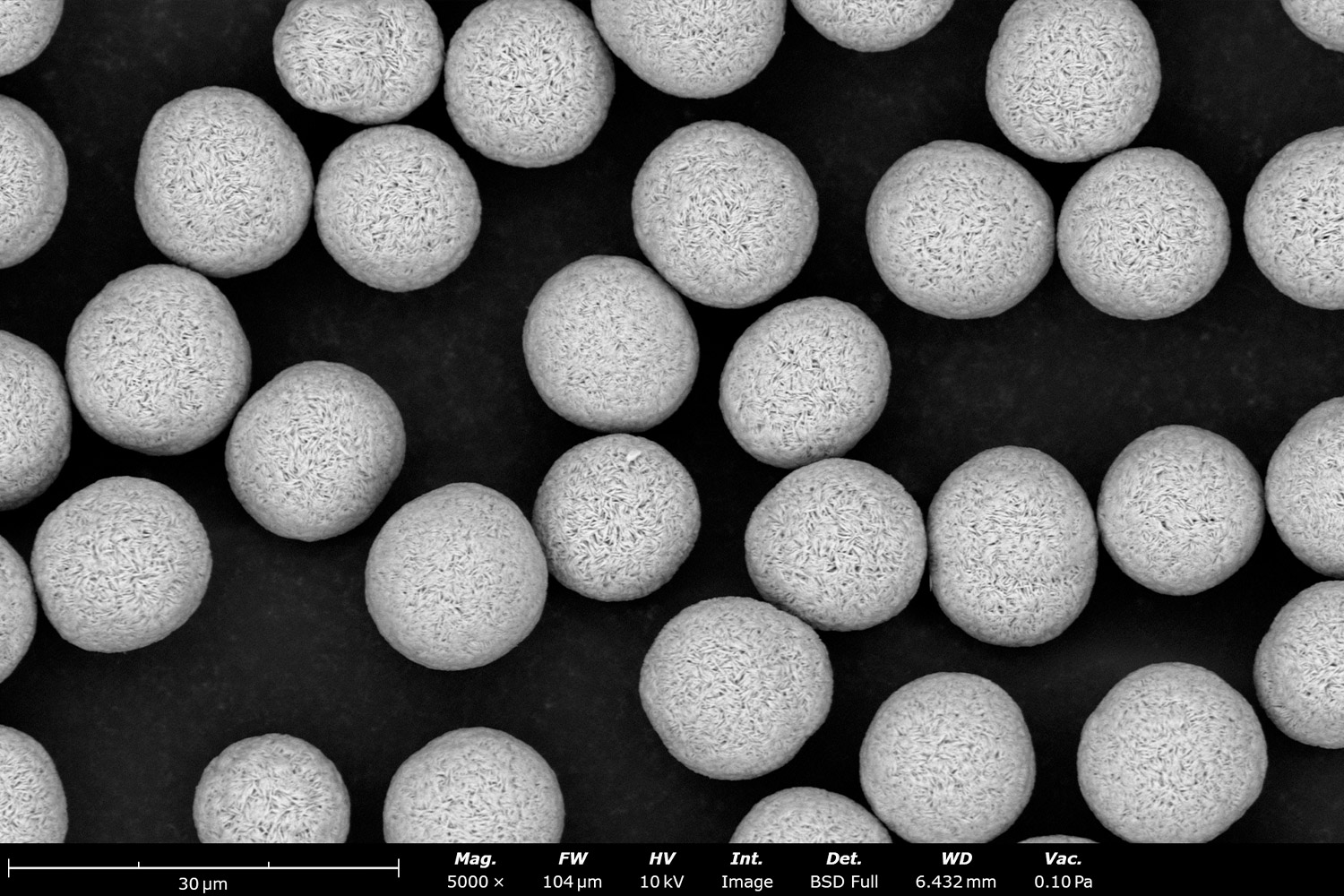
Cathodes often contain a mixture of large and small particles to maximize the volumetric energy density. This is because small particles can fill in the voids between large particles. Narrow size distributions of both large and small particles are required to carefully control their packing and resulting volumetric energy density. Figure 2 shows an SEM image of NMC pCAM particles with a very narrow size distribution.
Figure 2. SEM image showing NMC pCAM particles with
a narrow size distribution
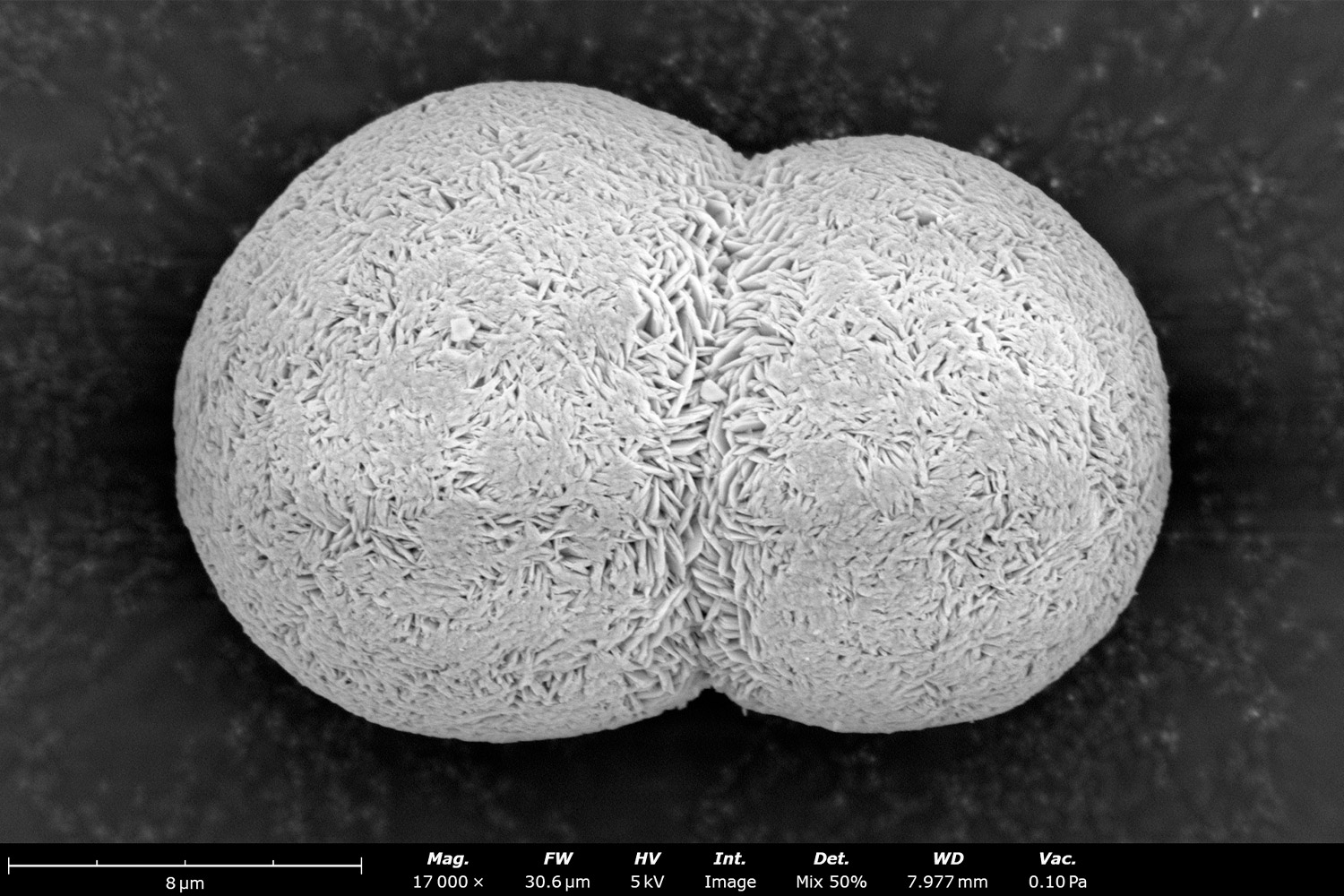
Figure 3. SEM image of agglomerated pCAM particles, resulting in a nonspherical particle. This particle shape is not ideal for batteries.
Particle Morphology
Spherical particles have the largest surface contact area per unit volume for lithium ions to travel through compared to other geometries. They also allow for better packing, which increases the volumetric energy storage capacity per battery. Poor sphericity, like the agglomerated particles shown in Figure 3, can lead to poor flowability, which is detrimental for powder transfer and reduces cathode production efficiency. A pCAM particle’s surface area can be influenced by surface porosity, as well as the size and shape of its primary particles. High porosity and small primary particle size can result in a better rate capacity, but can make the particle more susceptible to side reactions and reduce cycle life.2
Crystal Microstructure and Orientation
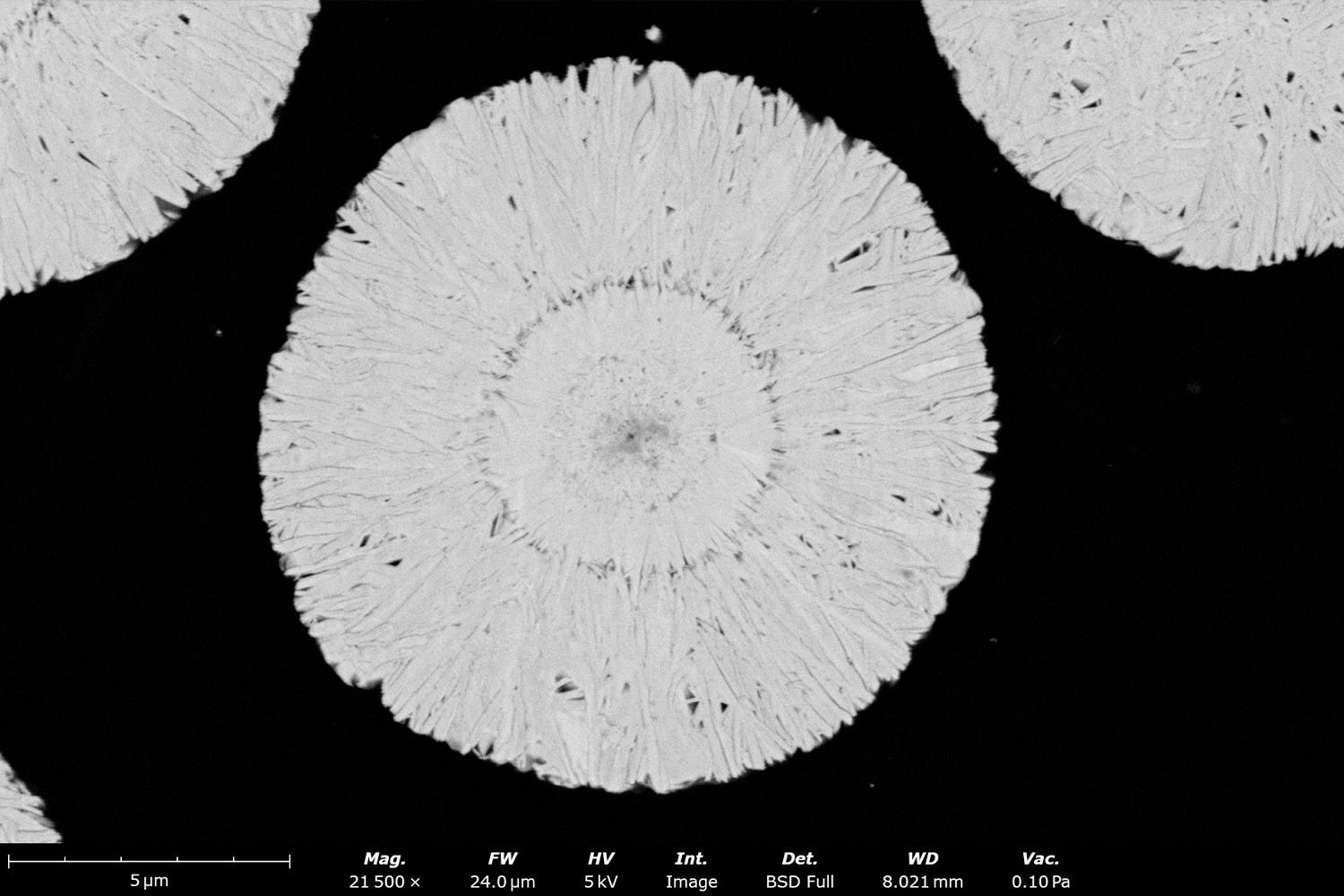
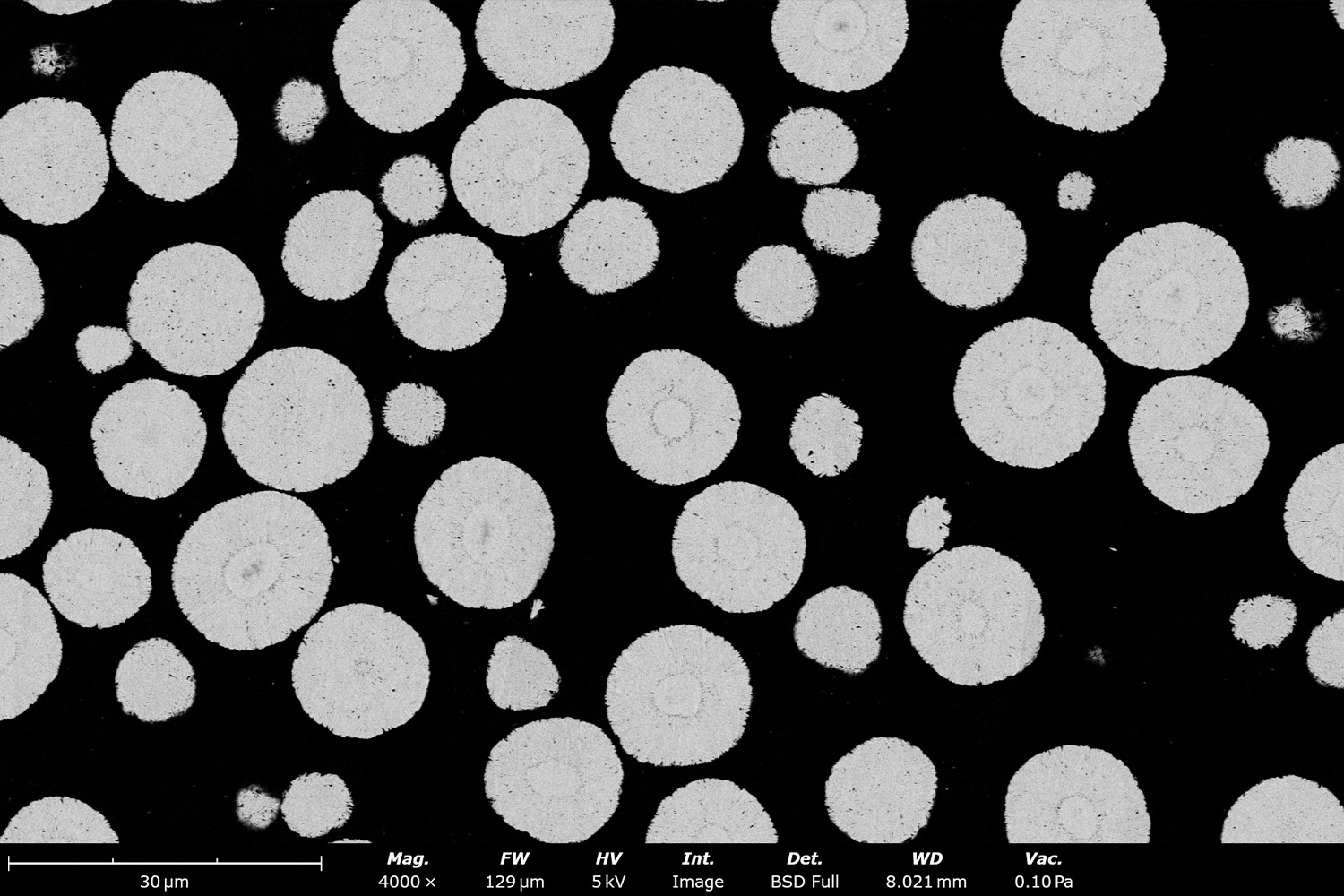
Internal porosity in pCAM particles interferes with lithium-ion transport and can reduce the tap density, leading to slower charge/discharge rates and lower volumetric energy density. Microcracks can also stem from pores, especially due to volume changes during charge cycling. The cross section of the pCAM particle shown in Figure 4 shows a ring of pores around the particle’s core and throughout the bulk of the material.
During charge cycling, the crystal structure of the cathode material undergoes irreversible phase changes and anisotropic volume changes. This can lead to microcracking and further contribute to parasitic side reactions. These can be mitigated if the pCAM and/or CAM are synthesized to have radially-aligned or “rod-like” primary particles originating at the particle’s core, as shown in Figure 4, rather than “gravel” oriented grains.4
Figure 4. Rod-like grains showing the radial orientation of
the primary particles.
Purity
pCAM is typically filtered, washed, and dried before it is converted to CAM. Inadequate techniques for these steps can result in impurities either left behind or introduced to the pCAM. If impurities are not removed, they can cause side-reactions, short-circuiting, unpredictable kinetics, and potentially catastrophic behavior during charge cycling. Further impurities can be introduced during electrode production, cell assembly, and cell finishing stages.5
Which Analysis Techniques Can Characterize pCAM Properties?
CAM quality is directly related to the morphology of its pCAM. This means that imaging the primary and secondary particles within pCAM and tracking them during their growth in a co-precipitation reaction is critical for CAM quality control.
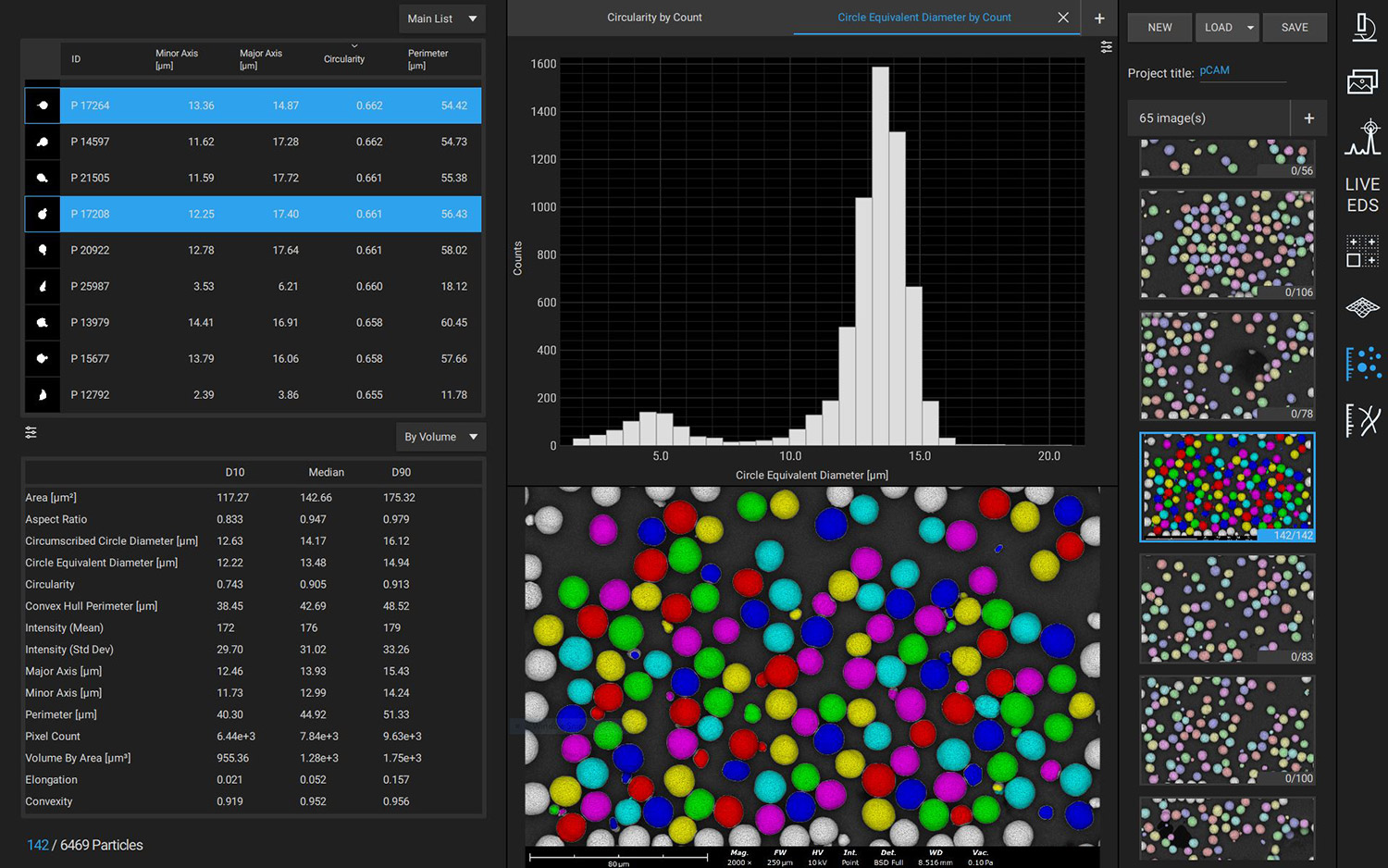
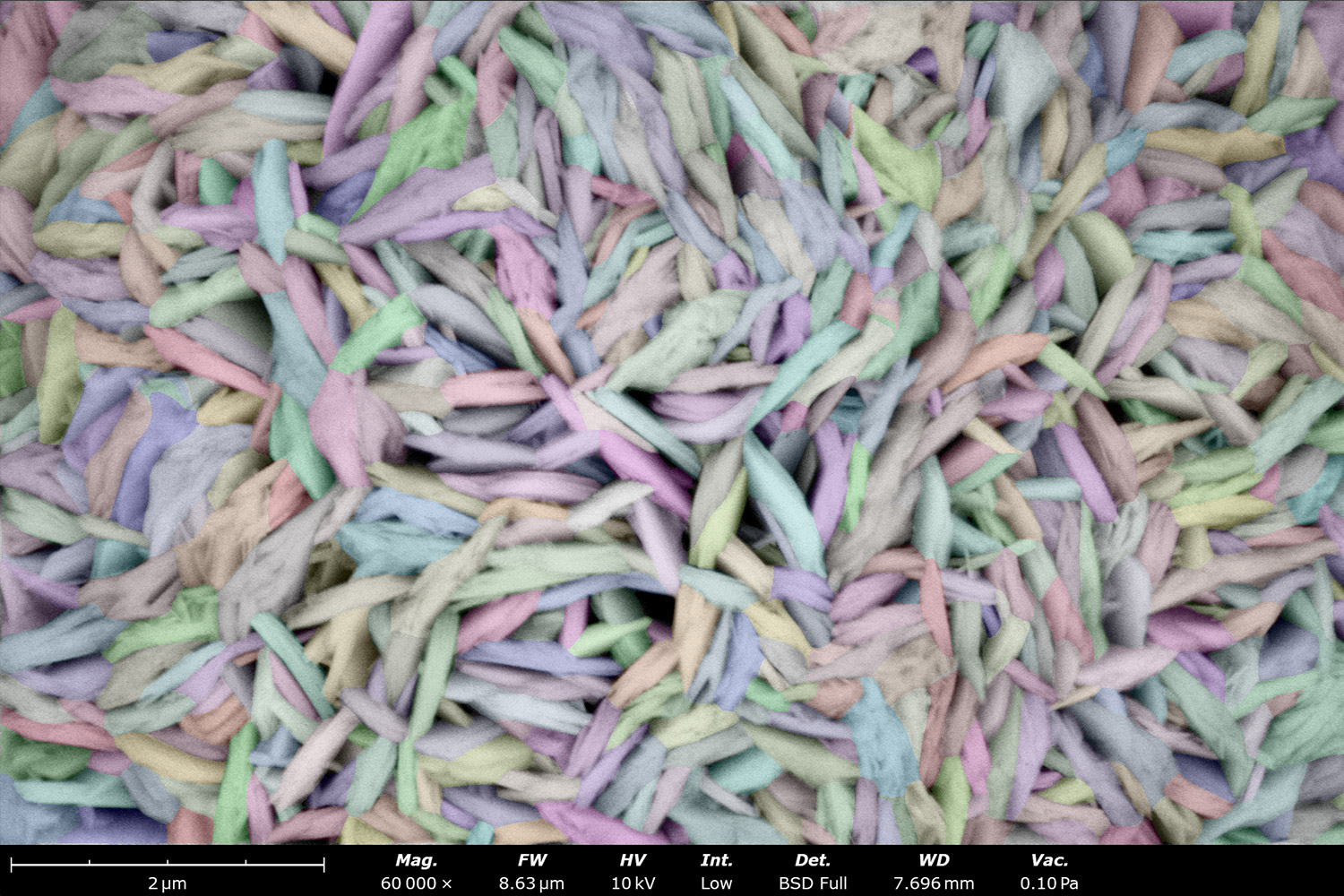
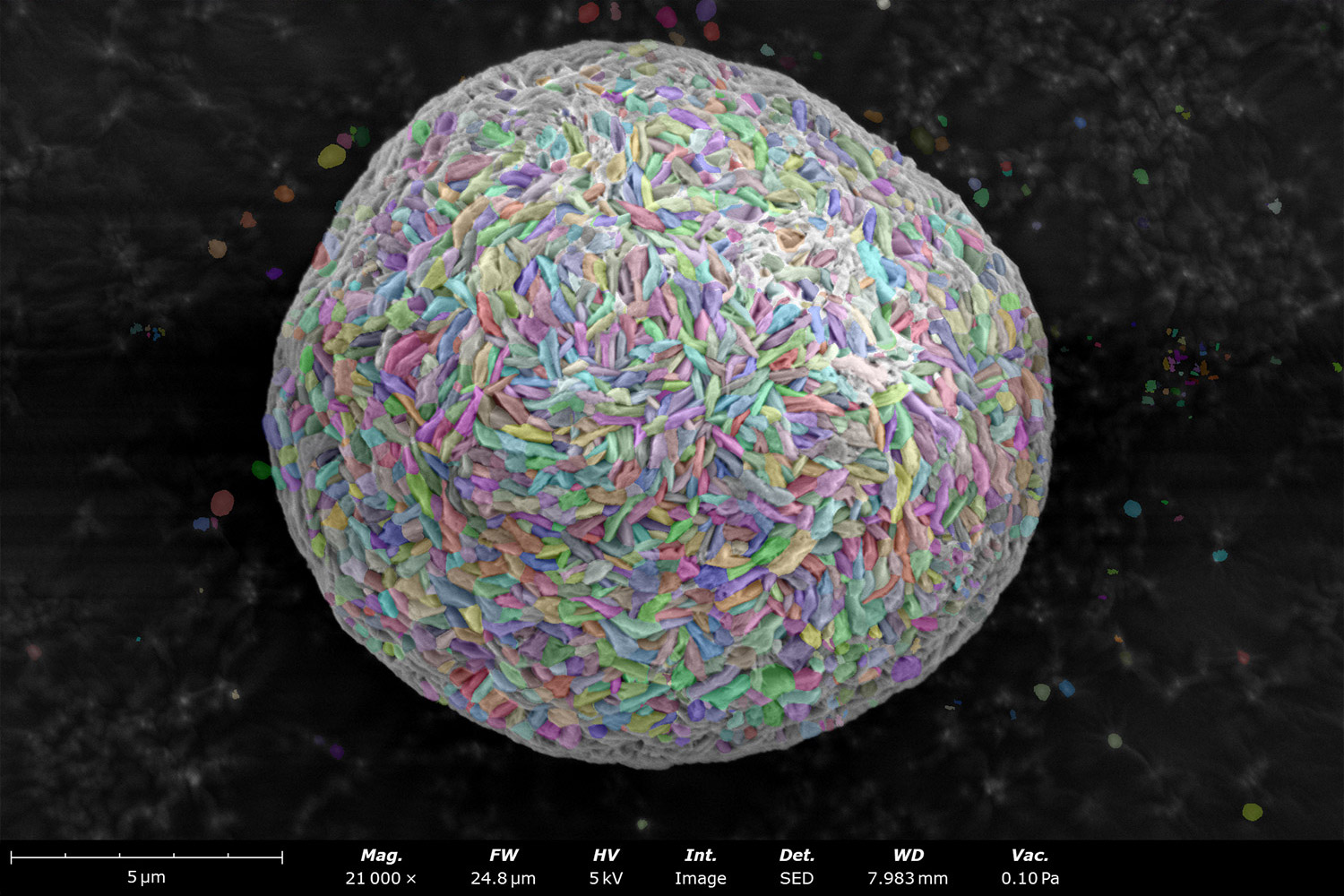
Phenom desktop SEM instruments combine high-resolution imaging with ease-of-use and robustness. They can also be equipped with energy dispersive X-ray spectroscopy (EDS), enabling elemental composition analysis alongside morphological analysis. SEM-EDS imaging can also be automated with built-in stitching tools, such as Automated Image Mapping (AIM) and MAPS. Large batches of images can then be automatically analyzed using software tools like ParticleMetric (Figure 5) or Avizo Trueput (Figure 6) to obtain particle size dimensional statistics on particles such as sphericity or particle size distributions, and primary particle thickness.
Figure 5. Particlemetric analysis of NMC particles. This analysis identified 6469 particles across 65 images. Images were captured via Automated Image Mapping (AIM) before the start of the analysis workflow. The table on the top left shows the list of particles that were identified. The table on the bottom left shows the dimensional statistics of the particles that were identified. The histogram shows the # of particles of each bin of circle equivalent diameters in microns.
a
b
Figure 6. Avizo Trueput analysis of NMC primary particles (A) and secondary particles (B), highlighting individually identified primary particles.
Creating clean cross sections of pCAM particles to analyze the crystal orientation can be extremely difficult with standard preparation methods. However, ion milling, more specifically broad ion beam milling (BIB), can be used to overcome this obstacle. BIB milling is gentler and more precise than typical mechanical polishing technique, while requiring much less effort from the operator.
The SEMPREP SMART is a BIB ion milling system that uses a beam of argon ions to evenly remove material from the surface of a sample. This creates a clean cross section of the sample. While liquid nitrogen or Peltier cooling are required to process some samples, pCAM can be milled with no additional cooling due to the SEMPREP SMART’s sample holder and ion beam designs. After ion milling, the cross sectioned powders can be imaged with SEM to analyze features such as porosity and crystal orientation which were previously hidden beneath the sample surface. Figure 7 highlights the difference that ion milling can make on pCAM SEM imaging.
a
b
Figure 7. NMC pCAM secondary particles as seen through a desktop SEM, before (A) and after (B) broad ion beam milling. BIB milling exposes the cores or seed particles of the pCAM, which the primary particles are precipitated around.
Software tools like Avizo Trueput can automatically analyze pCAM cross sections for porosity, size distribution, presence of cracks, and more. With this information, battery material engineers and scientists can determine if and how they need to modify their synthesis recipes.
Key Takeaways
pCAM powders are transition metal compounds that are fundamental to cathodes and their properties. Currently, the two most common pCAM chemistries in EV batteries are NCM and LFP.
The quality of NMC pCAM powder has a direct impact on the final cathode properties, including volumetric energy density, charge cycle life, and more.