

Improving Microstructural Analysis in SEM Imaging with Gamma Correction

A scanning electron microscope (SEM) is capable of visualizing compositional heterogeneity on the surface of a sample by employing a backscattered electron detector (BSD). A BSD works by detecting elastically scattered electrons that are reflected from the sample surface as the electron beam is scanned across its surface. The higher the atomic number of the material, the more backscattered electrons will be generated, resulting in higher contrast in the BSD image. This mode of imaging in SEM provides valuable insights regarding the microstructure of the material under study.
SEM Imaging of Uncoated, Nonconductive Samples

Scanning Electron Microscopy (SEM) generates high-resolution images by scanning a focused beam of electrons across the sample surface and detecting the signals produced through beam-sample interactions. Imaging nonconductive samples by SEM poses a challenge since they accumulate electrostatic charge at their surface during imaging, resulting in a variety of imaging artifacts. Therefore, mitigating the effects of charge accumulation is essential for ensuring reliable SEM analysis of non-conducting materials.
The Electrochemical Society 2024 | May 27-29, 2024 | San Francisco, CA

245th Electrochemical Society Meeting Nanoscience Instruments combines expertise in scientific instrumentation with real-world solutions, providing not only the tools to accelerate electrochemical research and development, but also expert application support, field service, and analytical testing. Our suite of solutions for electrochemists includes several cutting-edge tools that support advanced material development and characterization, such as: Our […]
AISTech 2024 | May 6-8, 2024 | Columbus, Ohio

Association for Iron & Steel Technology Conference 2024 At Nanoscience Instruments, we empower steelmakers by equipping them with the means to achieve comprehensive inclusion analysis in one automated system: desktop scanning electron microscopy (SEM) combined with energy dispersive X-ray spectroscopy (EDS). Automated SEM-EDS forms the functional backbone of the Phenom ParticleX Steel system, elevating high […]
Gold vs Platinum: Choosing the Right Coating for SEM Imaging

One of the most common challenges when analyzing non-conductive samples with a scanning electron microscope (SEM) is the charging effect. Without a conductive path, the electrons accumulate at the surface, resulting in a distorted image with skewed grayscale values. Although, in some cases, adjusting electron beam parameters and imaging conditions can be sufficient for mitigating charge build-up, sputter coating a conductive layer remains the most effective method for reducing sample charging. Gold and platinum are the most common metals used for sputter coating SEM samples.
Infrastructure Essentials: Preparing Your Workspace for a Phenom Desktop SEM

Integrating the ability to perform high-resolution imaging and compositional analysis of materials into any laboratory becomes simplified with a desktop scanning electron microscope (SEM). In addition to the compact footprint, desktop (synonymously benchtop or tabletop) SEMs are engineered for speed, reliability, and ease of use. Consequently, numerous organizations are contemplating acquiring desktop SEMs as an in-house solution to enhance their competitiveness in manufacturing or research and development capabilities.
Cutting Costs, Not Corners: Why Phenom Desktop SEMs are a Smart Investment

When acquiring a new scanning electron microscope (SEM), it can be challenging to identify a solution that not only delivers exceptional performance but also remains financially feasible. Among the myriad of options available, Phenom Desktop SEMs have emerged as a leader in affordability without compromising on quality or functionality. Widely regarded as the best-selling desktop SEMs on the market, Phenom SEMs embody the capabilities of larger, floor-model SEMs without the barrier of a complex user interface.
How Does QCM-D Enable Research in PFAS Remediation?
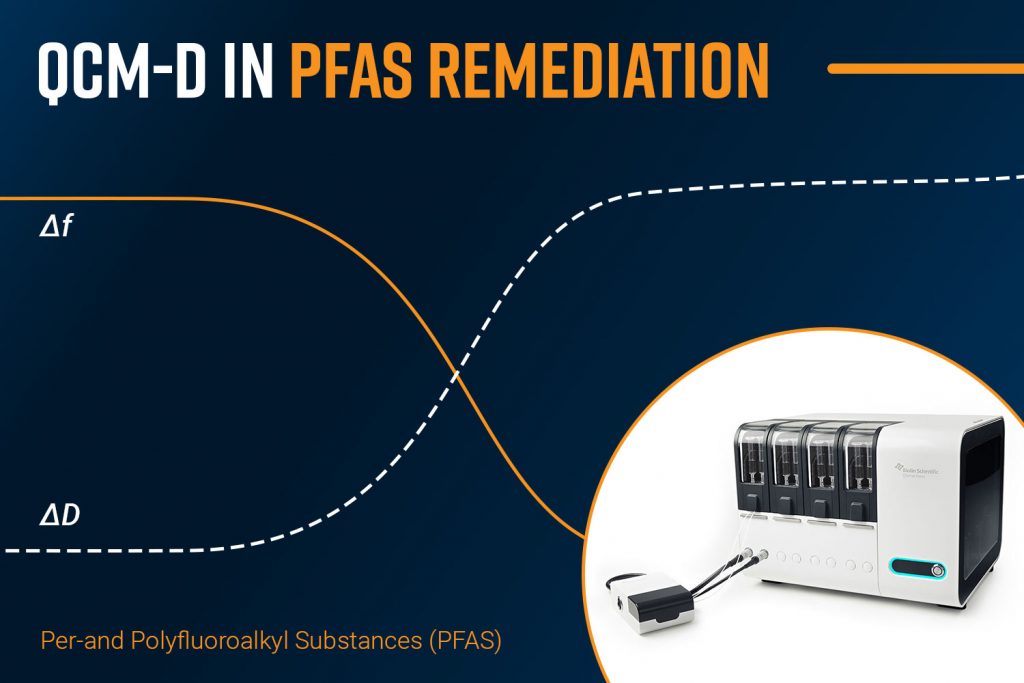
Per- and PolyFluoroAlkyl Substances (PFAS) have been widely used in a range of applications. The concern with PFAS arises from their persistence in the environment and potential adverse health effects. To address the concerns associated with PFAS, initiatives are being implemented to develop remediation strategies. Adsorption, where PFAS attaches to the surface of a material […]
What are the Pitfalls of Neglecting Technical Cleanliness Standards?

Precision manufacturing is a process that emphasizes exact specifications and extremely tight tolerances within fabricated components. Within this domain, the term technical cleanliness (TC) refers to the rigorous control of particulate matter clinging to the surface of parts and products. Though microscopic, these unwanted particles lead to detrimental effects on performance and quality and stand as a formidable challenge in ensuring every component – every finished product – meets the exact standards of cleanliness.
Electrospinning Applications in Medical Devices

Electrospinning is an emerging technology in the medical device industry, offering precise control over material properties and structure at the nanoscale. Its ability to produce intricately designed scaffolds and functional materials has impacted areas such as wound healing, tissue engineering, and drug delivery systems. By leveraging electrospinning, medical device manufacturers can tailor materials to meet specific biological and mechanical requirements, resulting in enhanced performance and better patient outcomes. This versatile technique continues to drive innovation, promising new advancements in medical device design and functionality.