
8 Reasons to Buy a Commercial Electrospinning or Electrospraying System
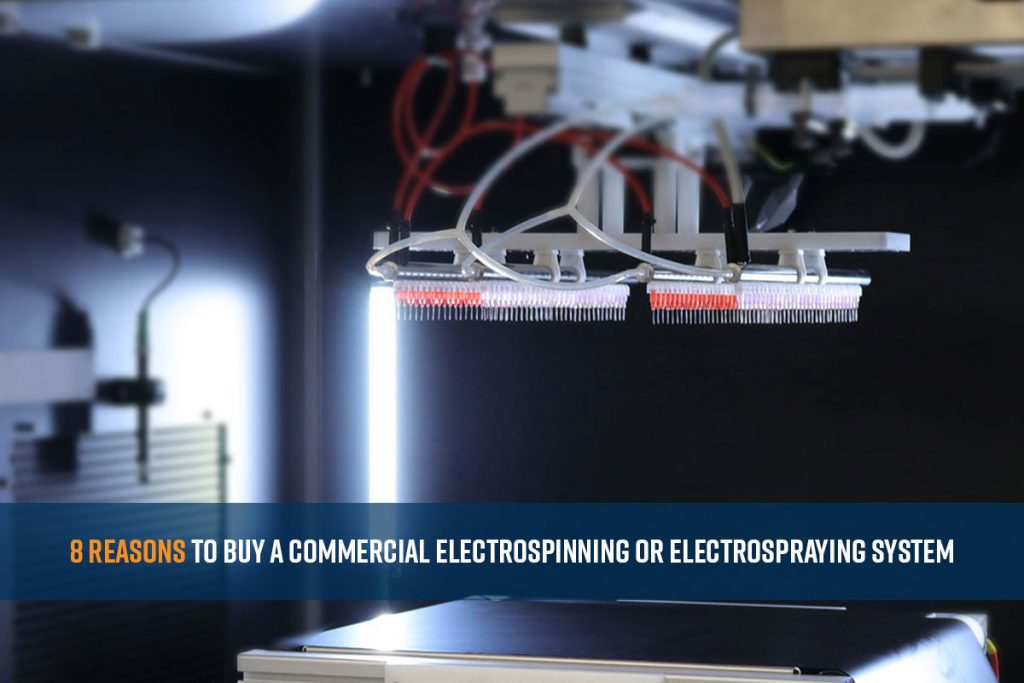
Electrospinning and electrospraying are electrohydrodynamic processes wherein a polymer solution is used to fabricate fibers or particles, respectively. In the most basic setup, a polymer solution is loaded into a syringe, and it flows through a capillary tube where a high voltage is applied, and the liquid is ejected towards a collector. Depending on the solution properties, fibers or particles are generated during the process.
5 Reasons to Purchase a Scanning Electron Microscope (SEM)
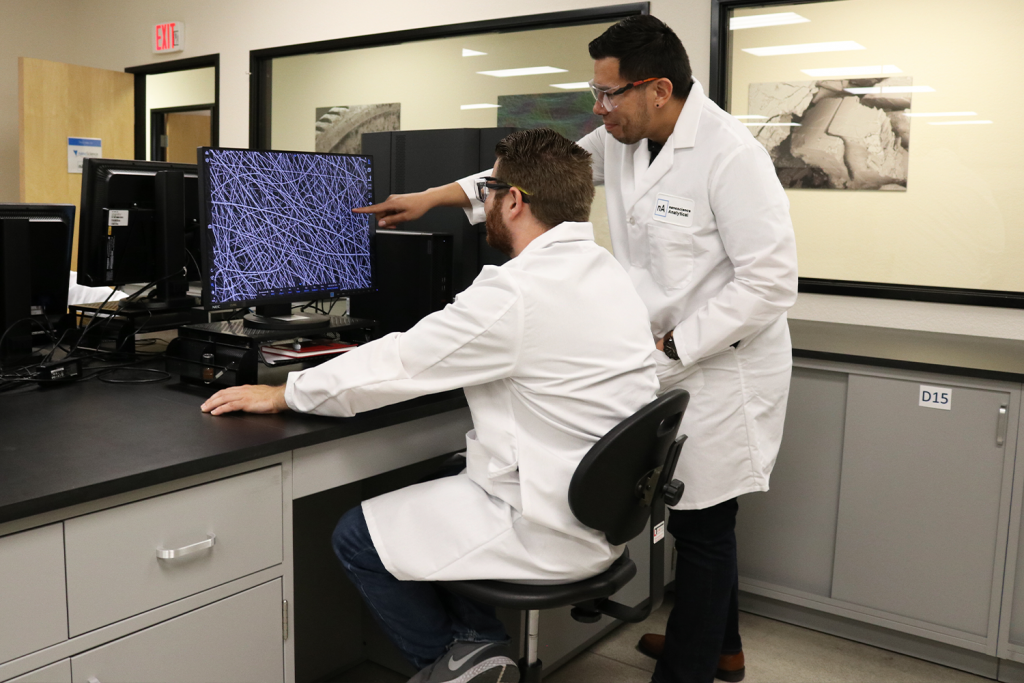
In the domain of scientific research and advanced industrial applications, the scanning electron microscope (SEM) is a powerful tool that has revolutionized our understanding of the microscopic world. Its exceptional imaging capabilities and analytical features have made it an indispensable instrument for various applications pertaining to materials science and life sciences. In this blog post, we will explore five compelling reasons why investing in a scanning electron microscope can be highly advantageous.
Controlled Release Society | July 24-28, 2023 | Las Vegas, NV

Controlled Release Society 2023 Annual Meeting Nanoscience Instruments/Nanoscience Analytical provide instrumentation and process development solutions that satisfy the R&D demands of drug delivery applications. Visit Booth #404 to witness how our ISO-certifiable electrospinning equipment enables encapsulation of APIs or creation of biomimetic structures including grafts and tissue scaffolds. Afterwards, characterize the products with our automated […]
What Role Does SEM Play in Trace Evidence Analysis?
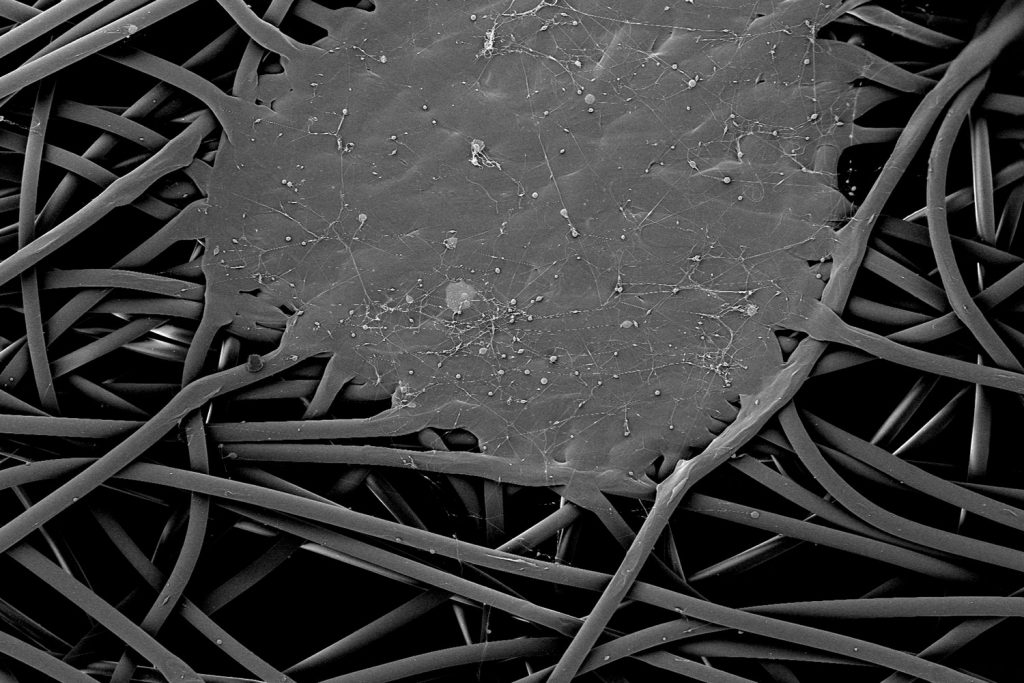
Scanning electron microscopy (SEM) is a powerful imaging technique where a focused beam of electrons is scanned over the surface of a sample for high-resolution analysis. SEM can offer detailed information regarding the morphology and the elemental composition of the surface. This can prove to be invaluable in the analysis of various types of evidence in forensic science.
American Crystallographic Association | July 7-11, 2023 | Baltimore, MD

73rd Annual Meeting of the American Crystallographic Association Come visit Booth #309 to discover solutions for streamlining your structural biology research workflows. Our technical experts will be here to discuss with you how the VitroJet can help you reduce cryo-EM grid preparation costs and help you solve 3D structures faster by controlling ice thickness. We […]
Microscopy and Microanalysis (M&M) 2023 | July 23-27, 2023 | Minneapolis, MN

Our booth is your gateway to unlock the full potential of your microscopy research. Stop by for live demonstrations of tabletop SEM/STEM and discover hybrid pixel detectors optimized for 4D-STEM, modular CL detectors, ion mills, sputter coaters, and cryo-EM sample preparation solutions. For over two decades, we have been committed to your success.
8 Factors to Consider when Purchasing a Scanning Electron Microscope (SEM)
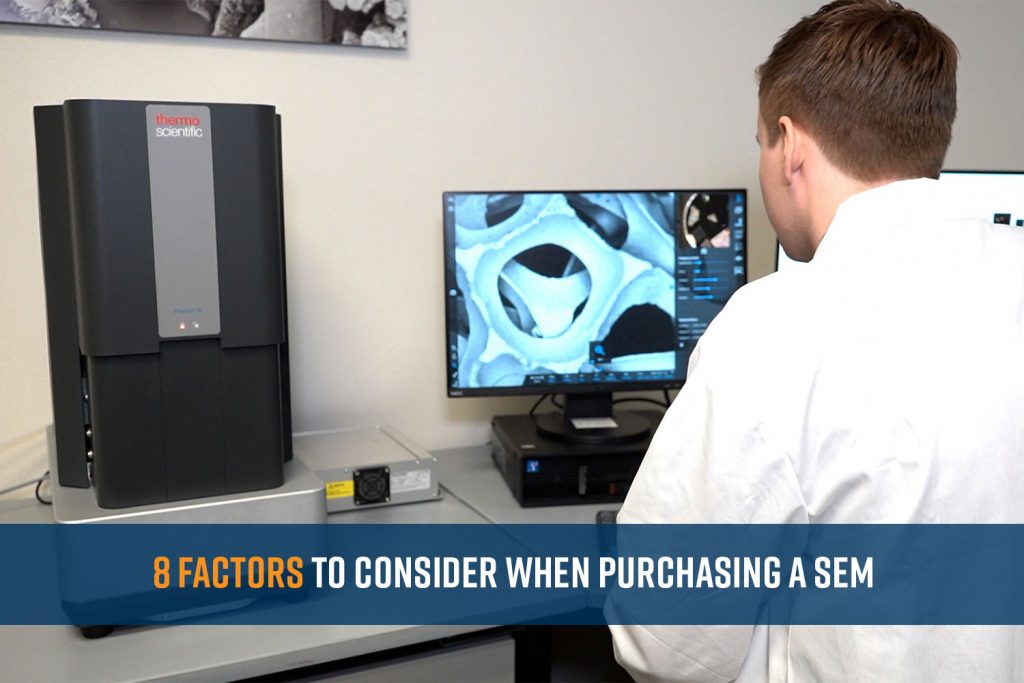
Purchasing a scanning electron microscope (SEM) can offer significant competitive advantage to organizations operating in a space where microscopy is paramount. An SEM uses a focused beam of electrons to generate high resolution images by scanning it across a sample surface. The technique is far superior to optical microscopy in terms of resolution, magnification, and […]
How Much Does a Scanning Electron Microscope (SEM) Cost?
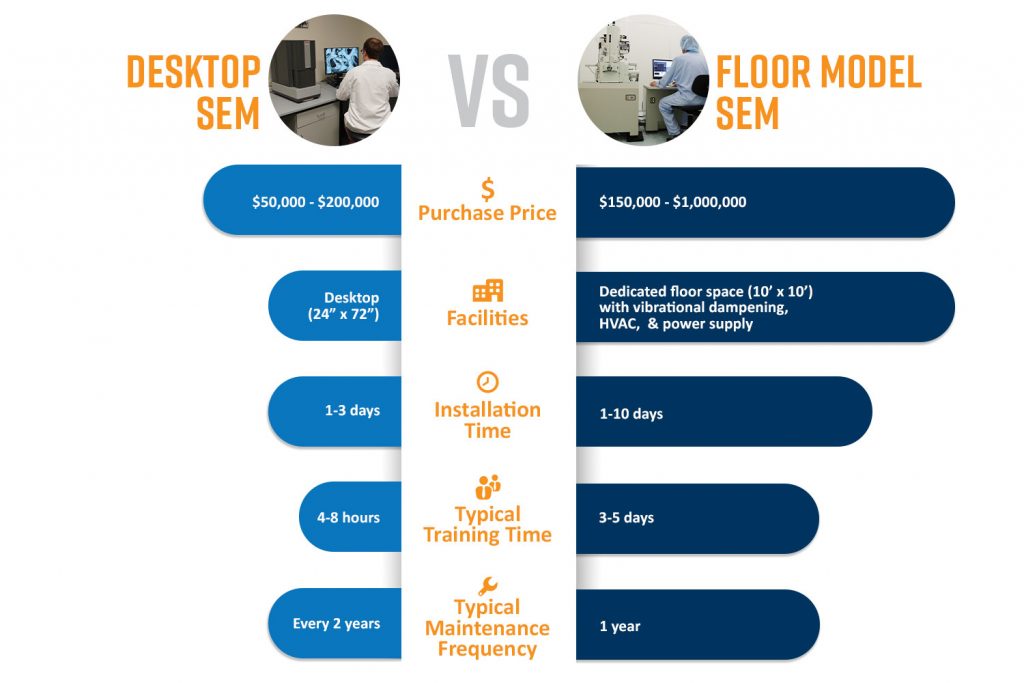
A scanning electron microscope (SEM) is a powerful scientific instrument used for high-resolution imaging and surface elemental analysis. They work by scanning a focused beam of electrons across the sample’s surface and detecting the resulting signals to create detailed images. SEMs provide value in a wide range of applications including materials science, biology, nanotechnology, forensics, […]
Visualizing Skin Tissue Morphology with Scanning Electron Microscopy
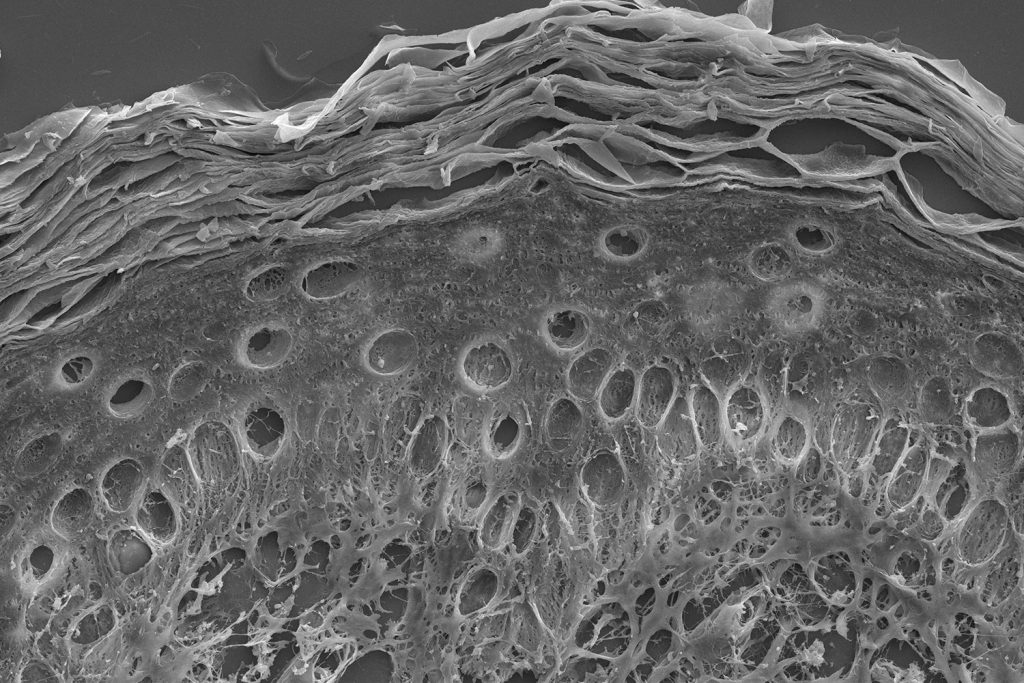
The skin is the ultimate barrier to the human body, protecting it from mechanical damage, radiation, extreme temperatures, and pathogens. The skin consists of three layers: the epidermis (outer layer), dermis (middle), and hypodermis (inner layer). Each layer serves a distinct purpose. The epidermis provides the primary barrier whereas the dermis and hypodermis contain hair follicles, sweat glands, connective tissue, and fat to provide mechanical strength and warmth to our bodies. During minor injuries, the skin can normally regenerate the damaged areas on its own. In cases of extensive injuries, such as through disease or burn wounds, the skin is unable to regenerate on its own which leads to scar tissue formation or in worst cases, chronic wounds that need medical attention.
Using the Phenom Desktop SEM for Quality Control at Menlo Micro

“We discovered Phenom has the best value with results close to a full-size SEM” – Dr Naomi C., Menlo Micro
On occasion, we are given the opportunity to watch, learn, and broadcast some of the most fascinating inventions of our time. Today is that day of sharing.