
The Air Water Interface and Sample Preparation for Cryo-EM
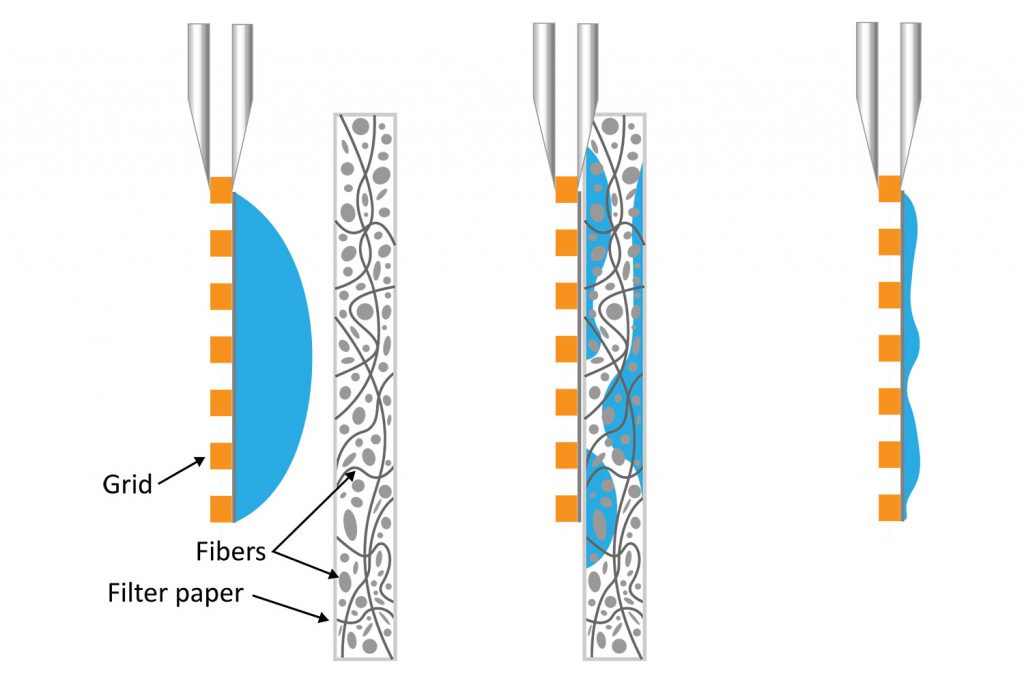
The air-water interface (AWI) is essentially the chaotic boundary where a solution meets the air. When protein molecules in solution contact the AWI, they tend to align themselves along the interface with the hydrophilic regions facing inward towards the water environment and the hydrophobic regions facing outwards towards the air environment. The AWI presents one […]
Workflow Automation in SEM Analysis

Scanning electron microscopy (SEM) is an extremely versatile analytical technique that produces high-resolution images by scanning a focused electron beam across a sample surface. Within the SEM, multiple detectors capture different signals generated through beam-sample interactions so that surface morphology and elemental composition can be visualized at nanometer resolution. The superior resolving power of SEMs […]
Which Electron Source is Best?
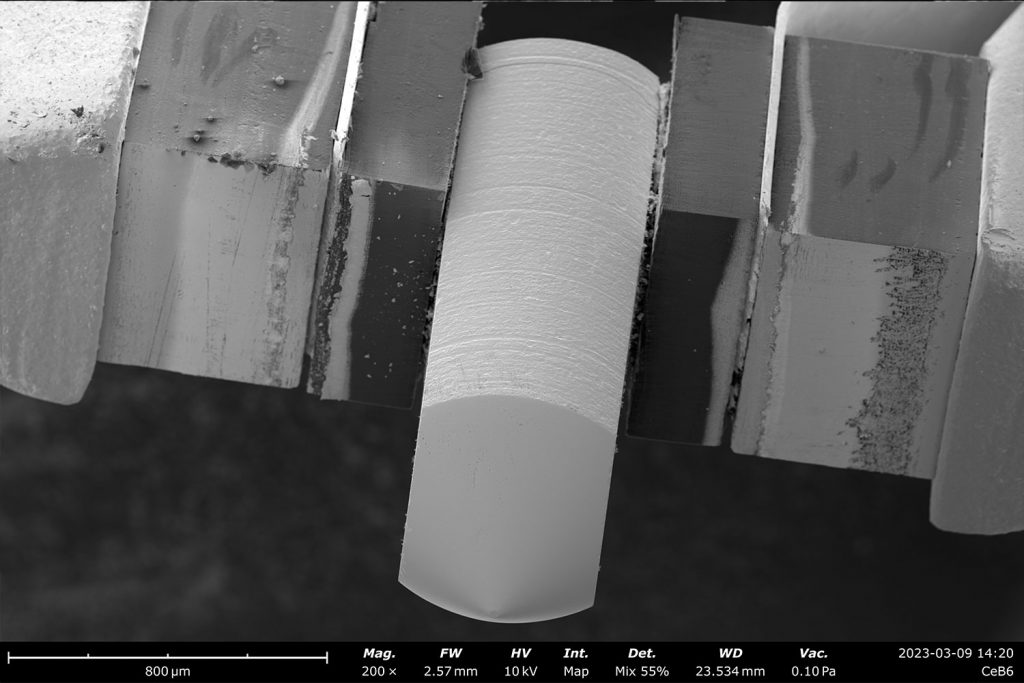
The electron source is one of the most important components of a scanning electron microscope (SEM) and is a major factor in determining its maximum analytical performance. There are three common types of electron sources found in SEMs: tungsten filaments, solid state hexaboride crystals, and field emission guns. How do electron sources work? As the […]
Why Use An SEM in Battery Research?
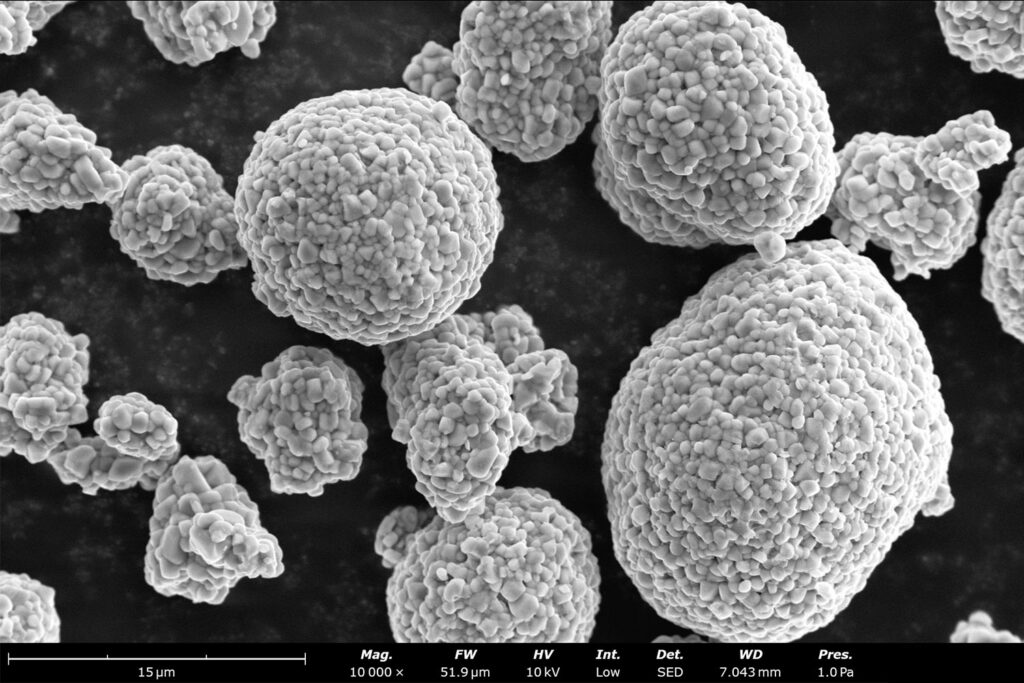
The functional properties of a battery, not limited to just its performance, are inherently dependent upon the microstructure and surface morphology of electrodes and separators. Scanning electron microscopy is a widely used tool in battery research to study the properties of components, as well as to investigate the interface between the electrode and electrolyte. SEM […]
How to Combat Electric Charge Buildup in Scanning Electron Microscopy
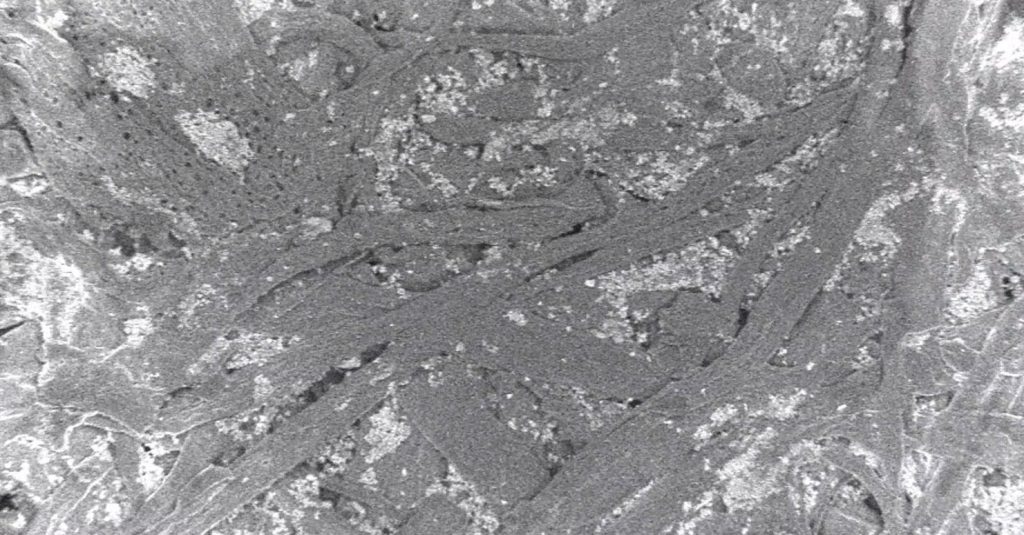
The fundamental unit of electric charge is the electron, an elementary particle that can be used in the domain of microscopy to see beyond the diffraction limit of optical light and uncover the microscale characteristics of many different types of materials. A scanning electron microscope (SEM) is an analytical tool that creates highly magnified images […]
2023 Product Updates from Fluidnatek
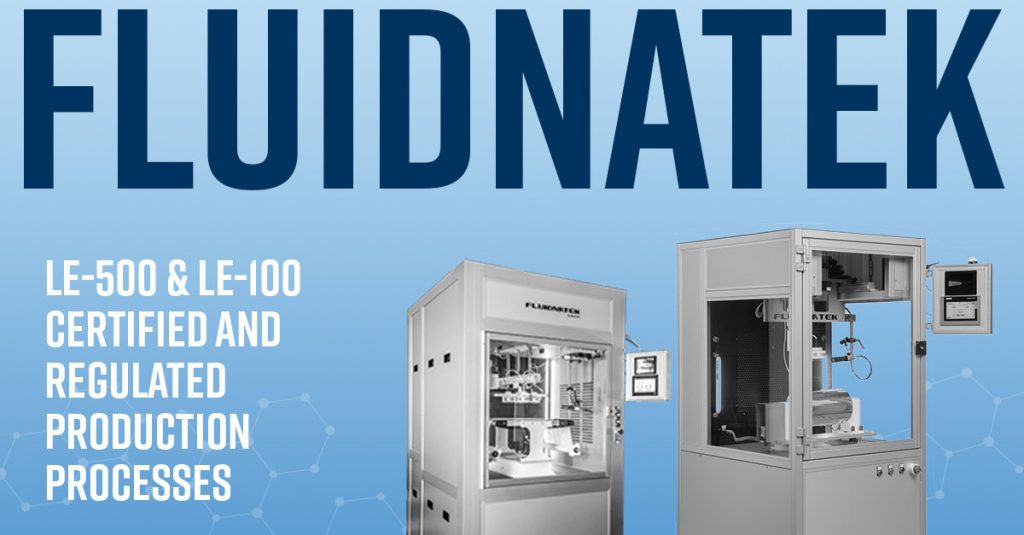
Have you heard about the latest advancements in electrospinning technology? Follow us on LinkedIn to keep up with the most recent releases! New Biomedical Systems – Designed for Aseptic Environment & cGMP/ISO-13485 production Did you know that Fluidnatek offers electrospinning/electrospraying systems that are specifically designed for the production of medical devices and biomedical applications? Discover […]
Desktop SEM vs Floor Model SEM: A Comparison
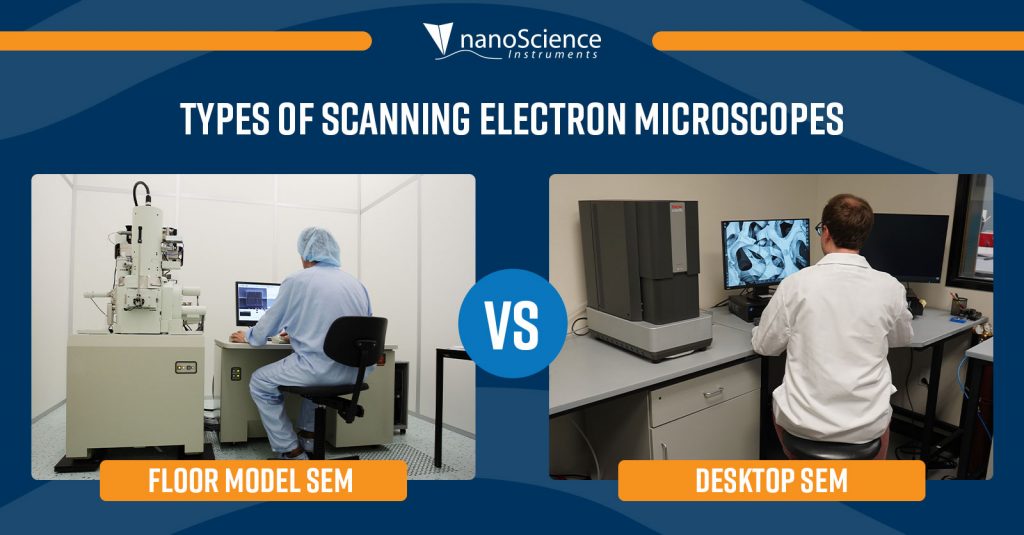
In the realms of scientific industry and research, scanning electron microscopes are among the most common imaging tools for studying the microstructures of materials. Microscopists employ SEMs to greatly expand their characterization abilities, gaining meaningful insight into a sample’s elemental composition and morphological properties. SEMs come in two varieties differentiated by form factor with the […]
Nanoscience Instruments Celebrates Its 20th Anniversary

Nanoscience Instruments announces its 20th anniversary as a trusted supplier of scientific instrumentation. Nanoscience Instruments was incorporated in September 2002 in Phoenix, AZ by Mark Flowers and Sebastian Kossek, two veterans of the scanning probe microscopy industry. Originally founded to fill the need for providing scientific instrumentation to the growing nanotechnology market in North America, […]
Press Release: Ultra-clean biomedical nanofiber production now available from Nanoscience Instruments
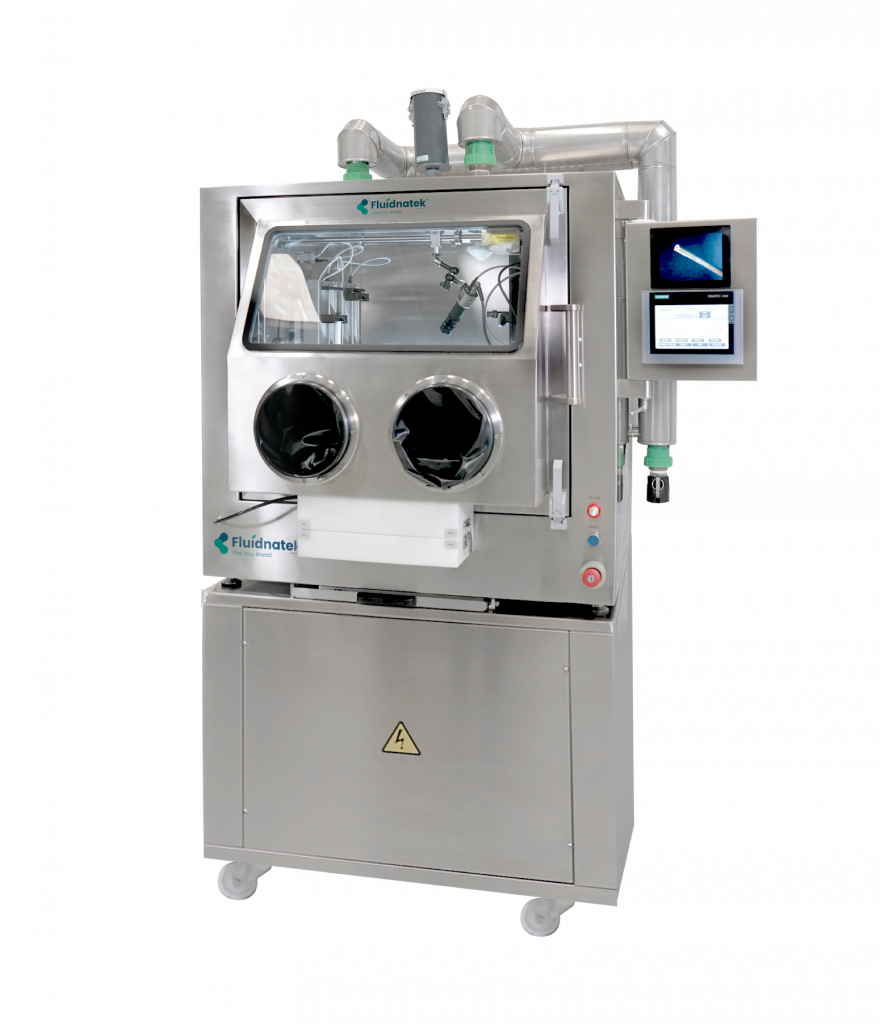
Aseptic bioprocesses and sterile medical devices can now utilize electrospinning with the introduction of the new Fluidnatek electrospinning systems Nanoscience Instruments introduces the new biomedical Fluidnatek electrospinning systems into the US Market. Designed and built by Fluidnatek in Valencia, Spain, the new systems overcome the lack of features from commercial electrospinning equipment. The new additions […]
QCM-D vs. SPR – What are the differences, and which technique fits your application?
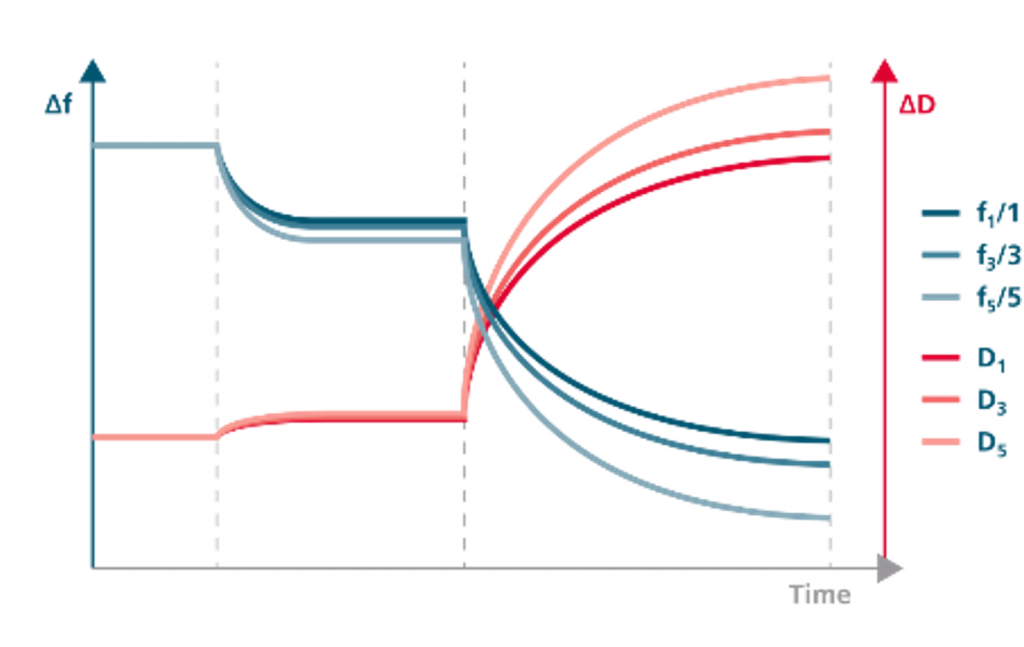
When choosing between two real-time, surface sensitive, and label-free technologies such as Quartz crystal microbalance with dissipation monitoring (QCM-D) and Surface plasmon resonance spectroscopy (SPR), it is important to understand what differentiates the two techniques. Both are used in surface interaction analysis to monitor specific interactions, molecular binding, adsorption and desorption events, and degradation. While […]