

Polymer Micro-compounding
Xplore MC 40
Large batch & continuous compounding
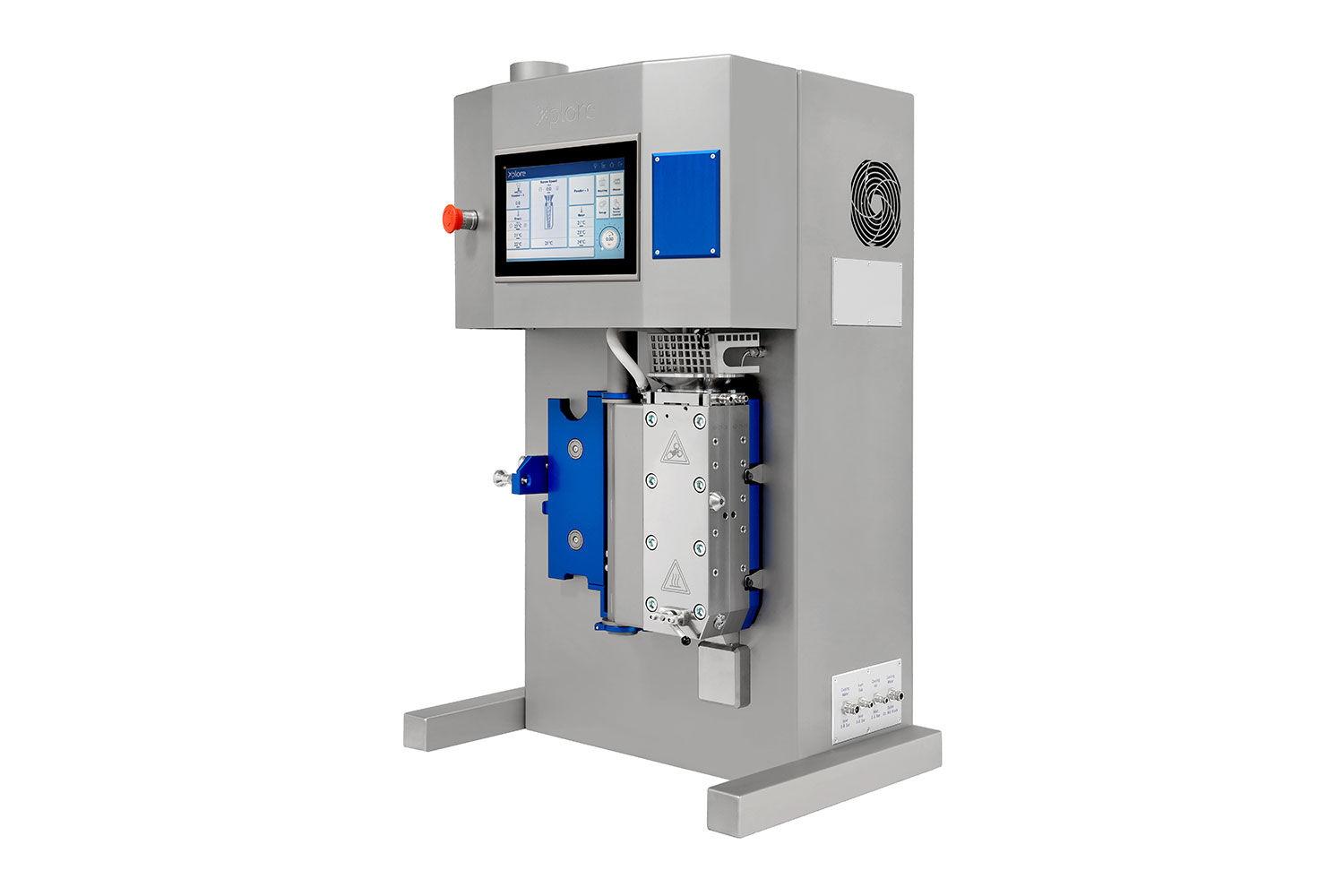
The micro-compounder, MC 40, is a 40 ml lab compounder, designed to simplify and accelerate R&D. It offers robust shear strength, the ability to handle high viscosities, and supports larger batches while delivering fine dispersion, excellent mixing, and high operational stability. Its powerful 24-bit drive ensures stable screw torque, all within a compact footprint that fits neatly on the laboratory bench or in a fume hood.
High throughput R&D Solution
Designed for both batch and continuous processing.
Batch Volumes
40 ml with a recirculation volume of 4.9 ml
Thermal Control
Temperature up to 425° C; 12 heating cartridges, 8 thermocouples, plus a melt thermocouple
Talk to an Instrumentation Specialist Today!
Large batch material volumes
The MC 40 is specifically ideal for abrasive and corrosive materials. With a maximum melt torque of 40 Nm across the full rpm range, the system enables controlled shear rates and effective mixing of high-viscosity polymer compounds, supporting stable processing conditions and reproducible results.
Application Areas:
Xplore MC 40
Product Features
Material loading
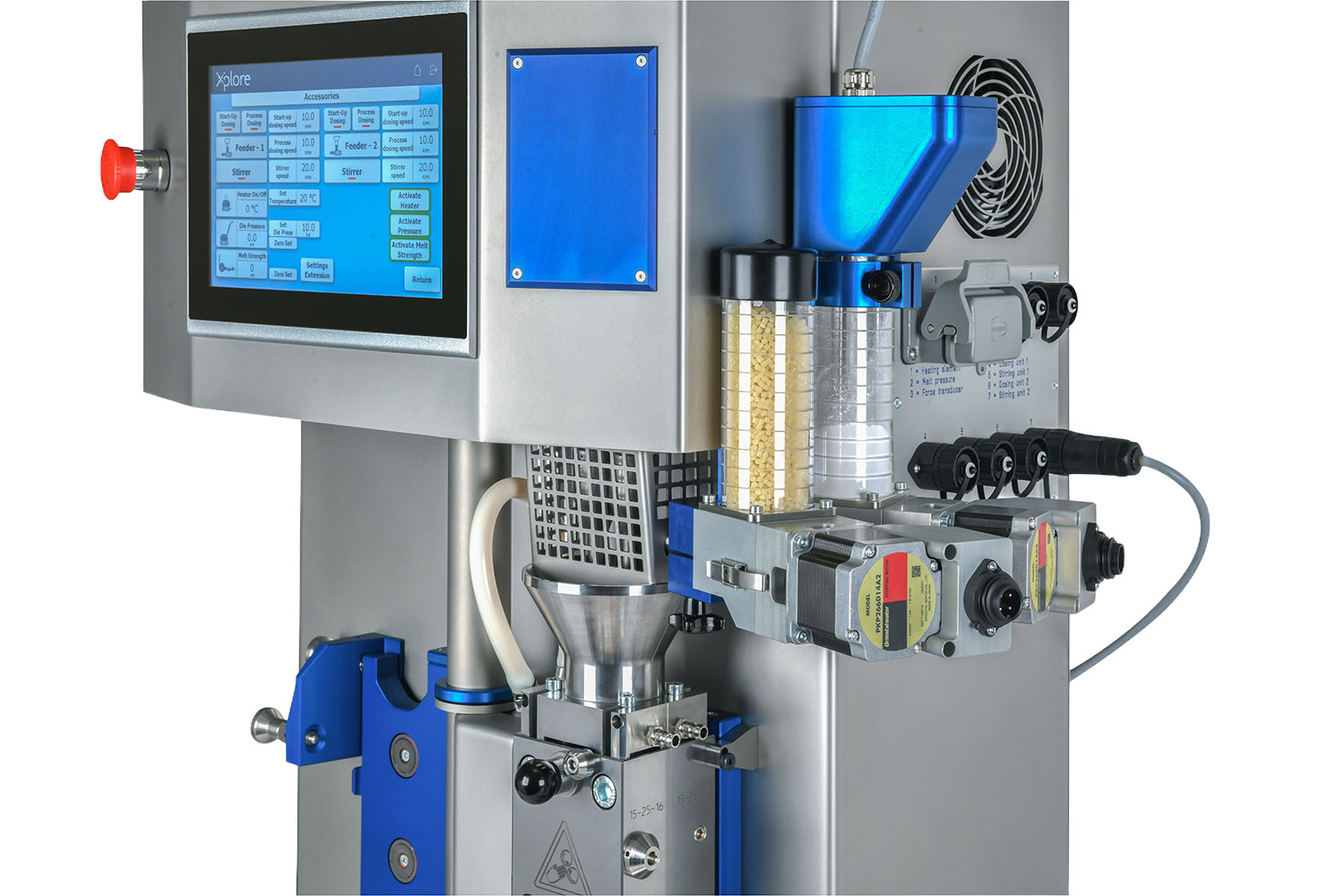
The system offers flexible material feeding via a top-mounted hopper and an optional front-loading port for convenient manual operation. For higher levels of automation and process control, optional single feeders, double feeders, and powder feeders are available.
Twin Screws
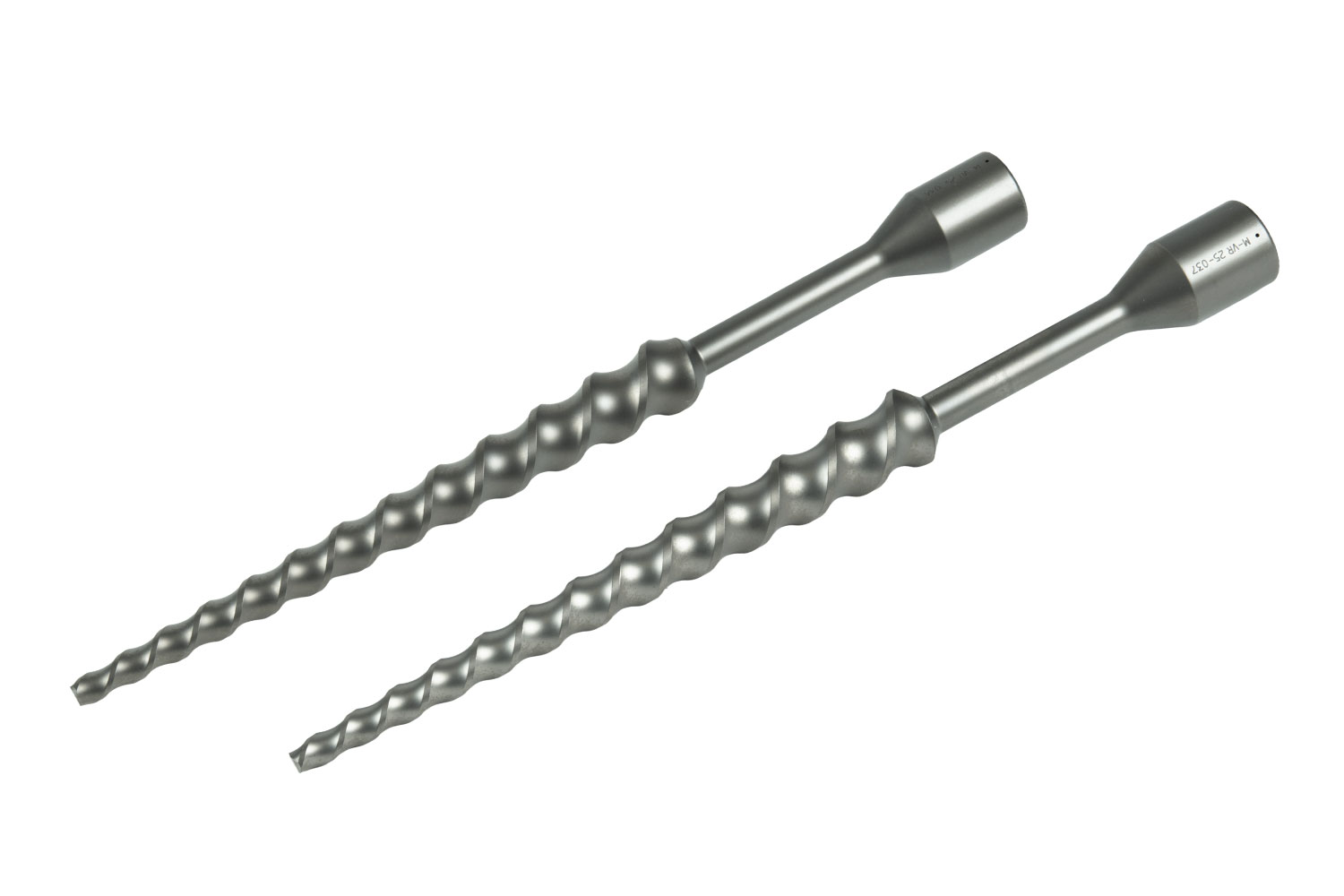
Fully intermeshing conical screws provide efficient mixing and dispersion across a continuously variable screw speed range of 1 to 500 rpm. Both co-rotating and counter-rotating screw configurations are standard, allowing the instrument to be tailored to specific material and processing requirements. A continuously monitored maximum screw torque of 40 Nm is available across the entire speed range. This enables high shear rates, excellent mixing, and fine dispersion of highly viscous compounds. With a 40 mL barrel volume, this corresponds to a torque density of 1 Nm/ml.
Thermal Control
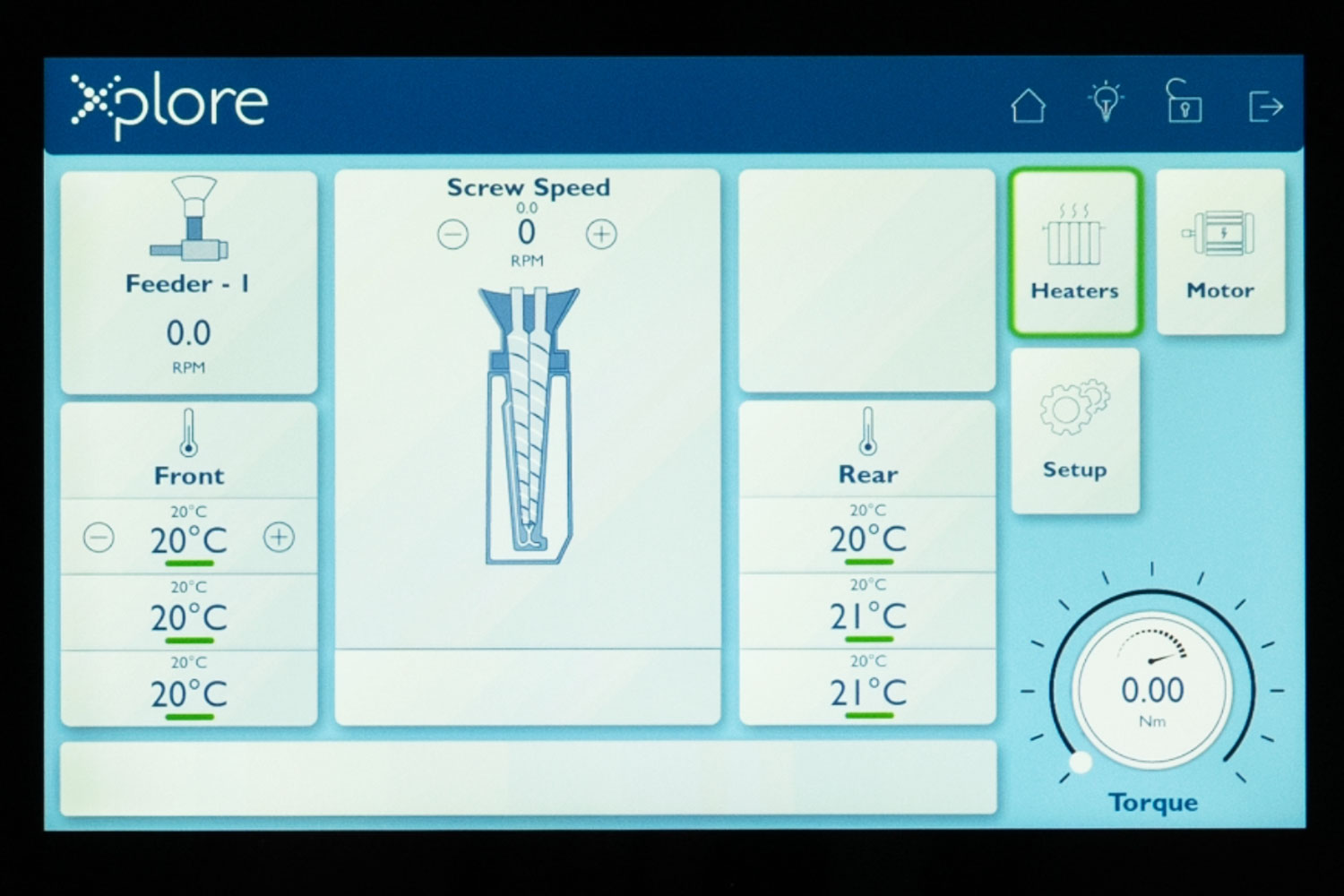
Thermal performance is equally robust, supporting operating temperatures up to 425 °C through six cartridges and eight thermocouples for precise and stable temperature control. Integrated air cooling and liquid cooling jackets further extend flexibility when working with temperature-sensitive materials.
Xplore MC 40
Downstream Processing
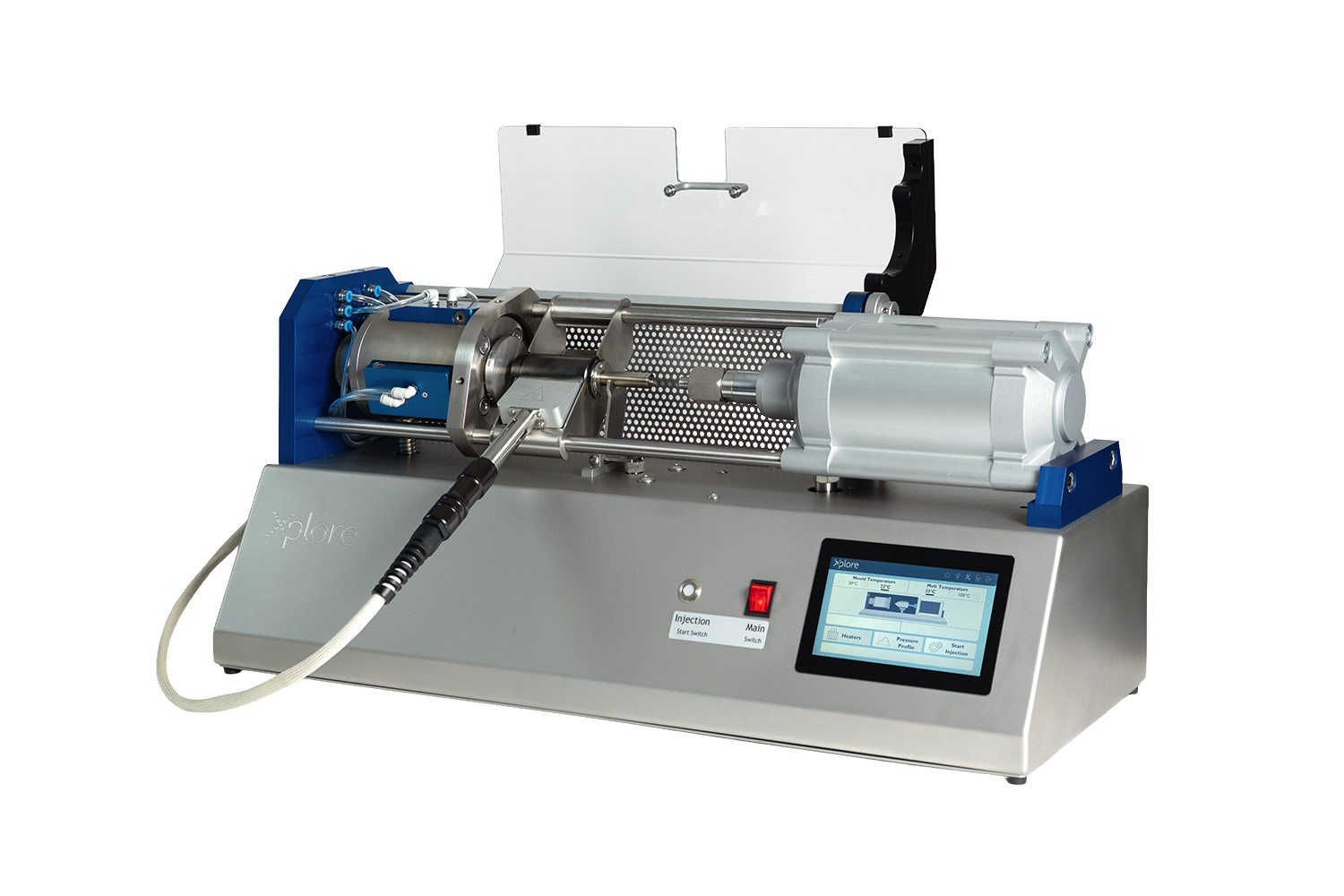
Injection Molder
The Xplore IM 12 micro injection molder is a compact, precise, and versatile solution designed for seamless integration with Xplore twin-screw compounders. It can also function as a stand-alone unit by manually loading powders or granules. Engineered for flash-free operation, it ensures high-quality, shrinkage-free test samples through precise control of holding pressure and time.
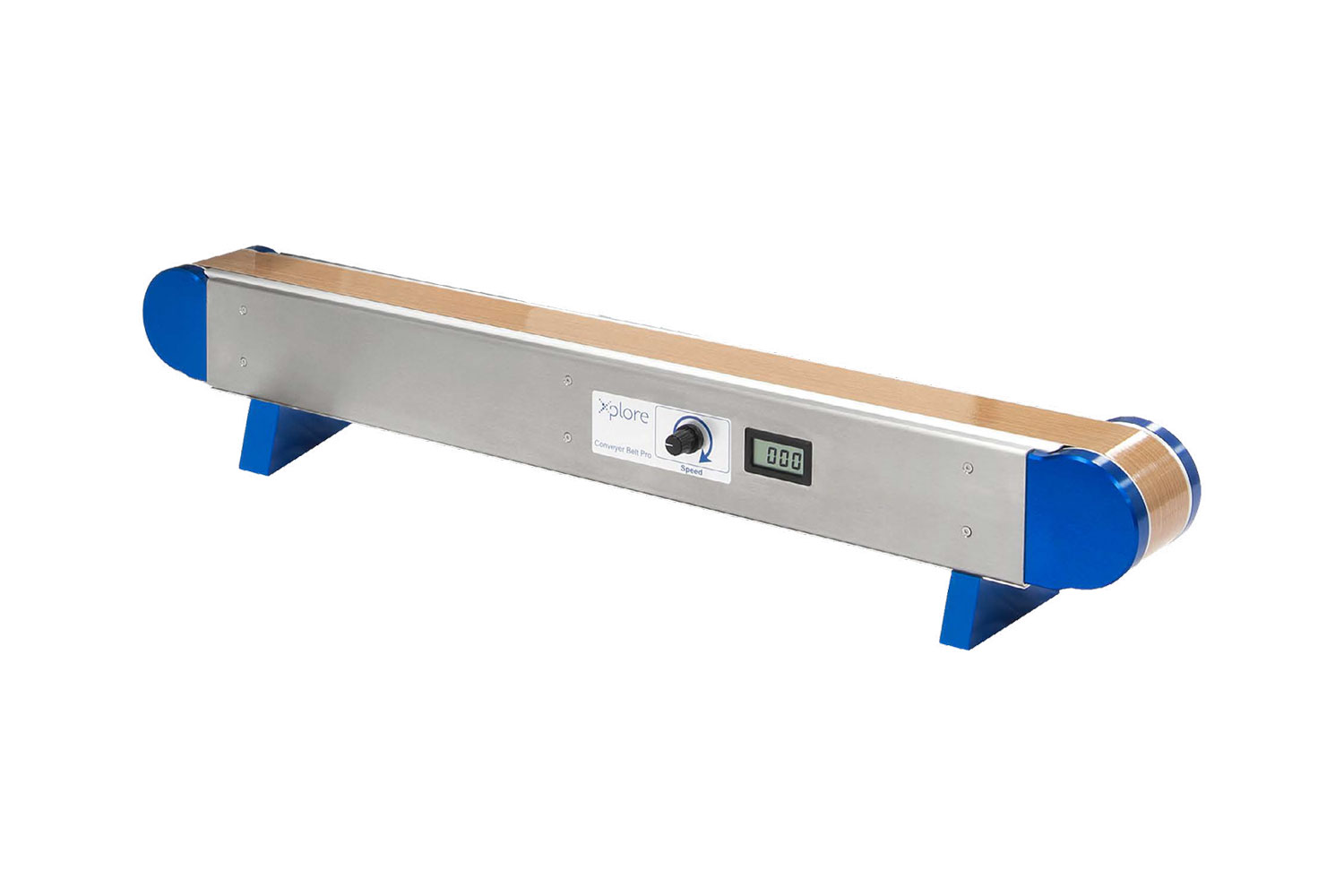
Conveyor belt:
The Xplore Conveyor Belt Pro (CB Pro) is designed to guide polymer strands directly from a micro compounder. The CB Pro features a non-stick PTFE conveyor belt, ensuring the controlled and consistent handling of fragile, nascent polymer strands. This prevents breakage or deformation while maintaining the polymer’s intended shape.
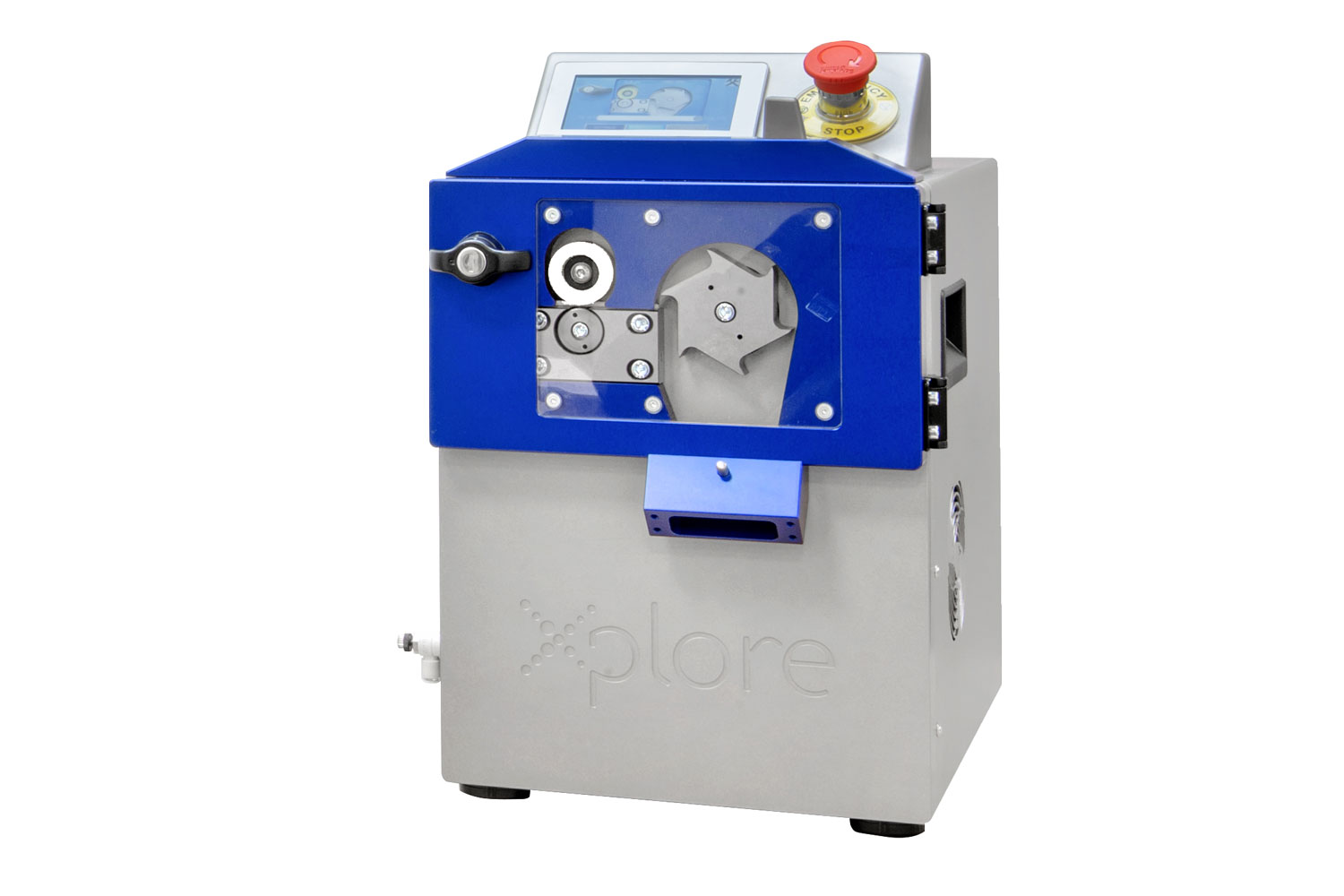
Pro Pelletizer
The Xplore Pro Pelletizer is a post-die granulation unit engineered to cut polymer and rubber strands into a wide range of pellet sizes. The freshly cut pellets can be utilized for a second compounding step in one of the micro compounders or processed in a larger extruder for upscaling.
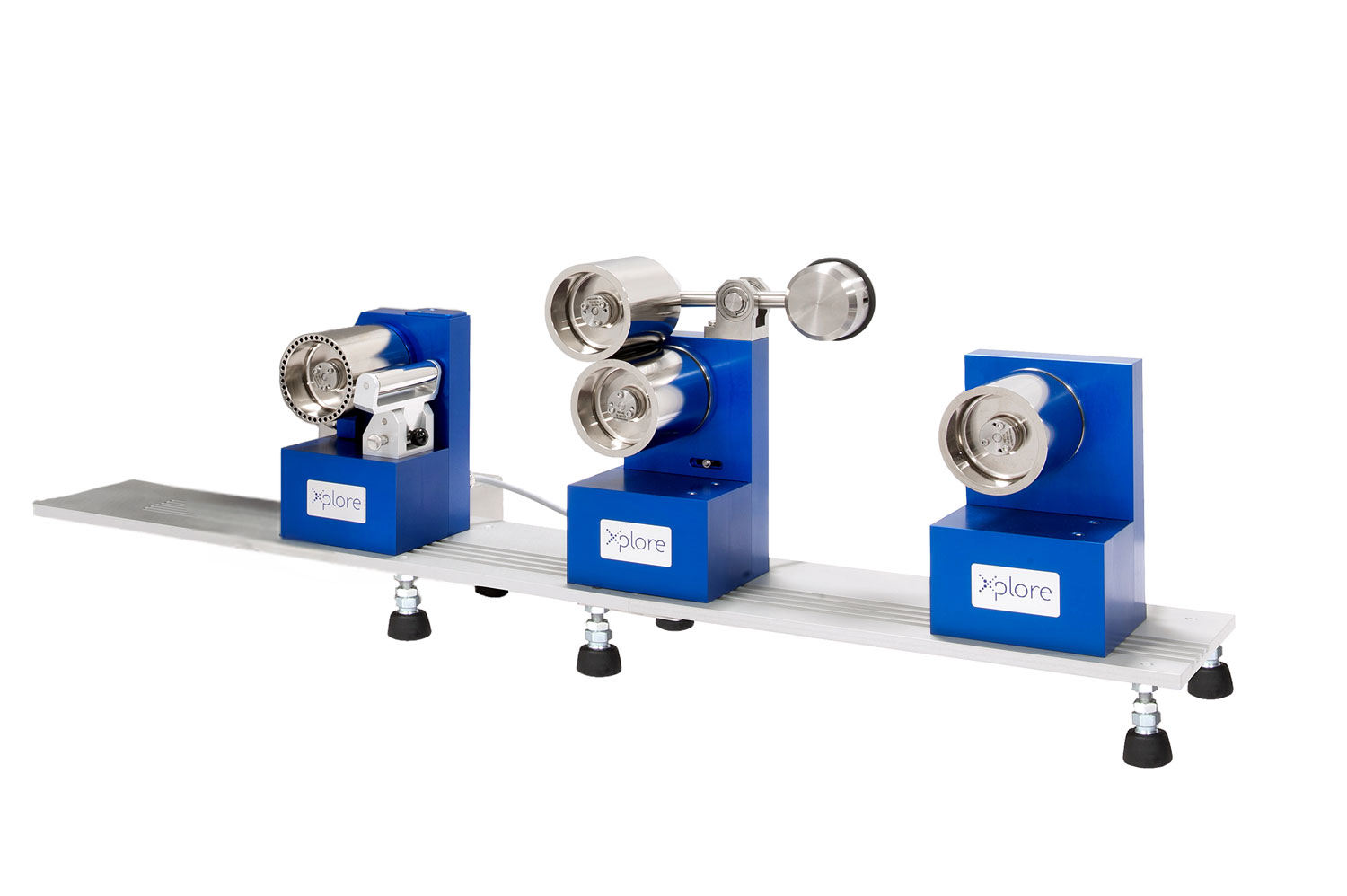
Micro Cast Film Line
Xplore’s Micro Cast Film Lines are designed for the efficient production of cast films using minimal material, making them ideal for applications involving limited material availability or high-cost polymers and additives. By enabling the rapid production of representative films within minutes, they significantly streamline the material screening process.
Fiber Line
The Xplore Microfiber Line is engineered for the efficient production of fibers from minimal material quantities, requiring only 5 – 10 g of material and 10 – 15 minutes. This system significantly reduces material waste, accelerates development time, and lowers R&D costs while delivering high-quality, representative test fibers for research applications.
Modular composite forming line
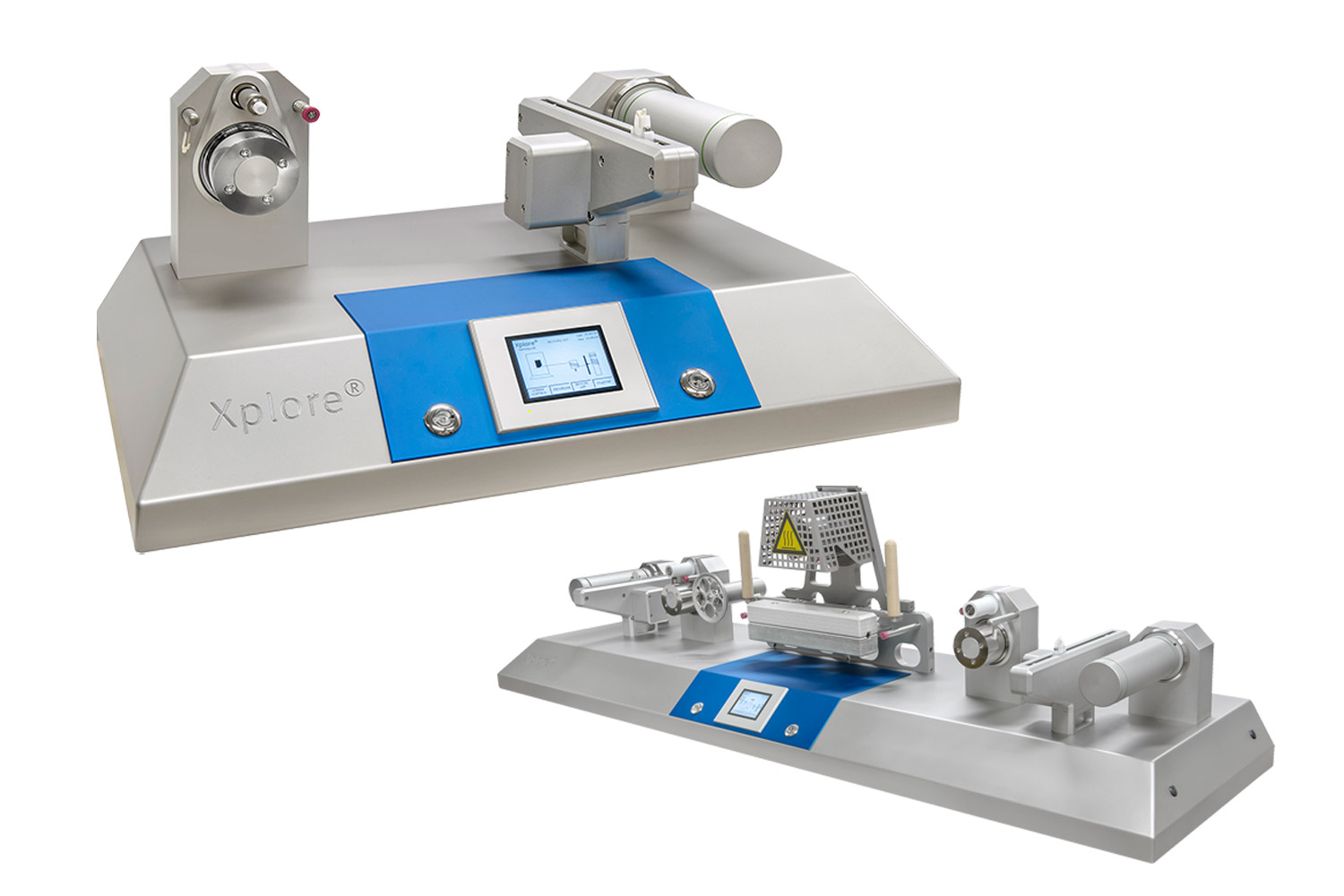
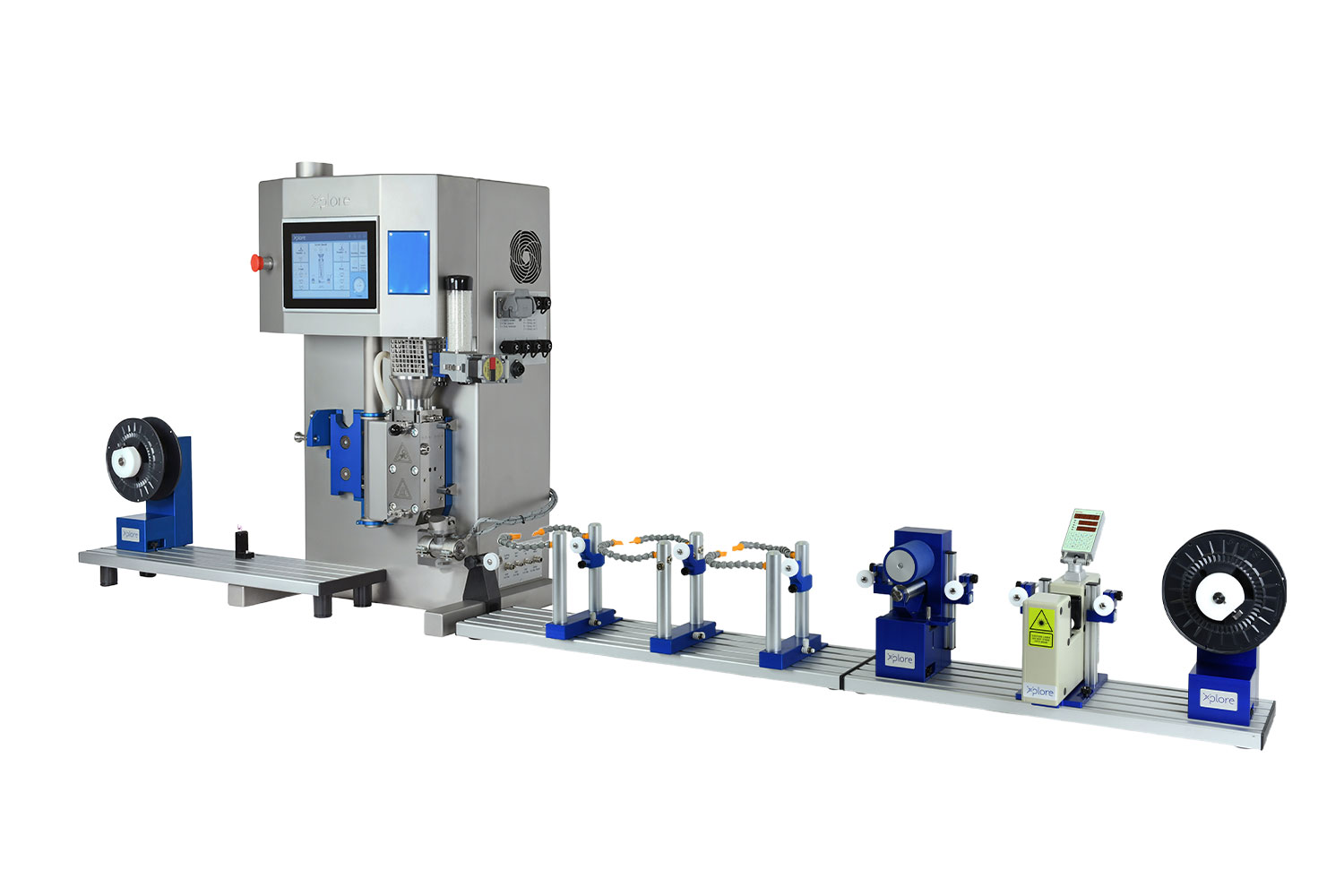
The Xplore modular composite forming line is a compact, modular, and versatile solution designed for seamless integration with Xplore Twin-Screw Micro-Compounders. It enables fabrication of microtubes, 3D filaments, precise coating and impregnation processes at the laboratory scale. The composite forming unit is organized into three functional modules, a pre-die module, Die module and post-die module. Five different die modules, Microtube, 3D filament, Tow impregnation, Unidirectional tape and coating, are available.
Xplore MC 40
Software
Rheological software
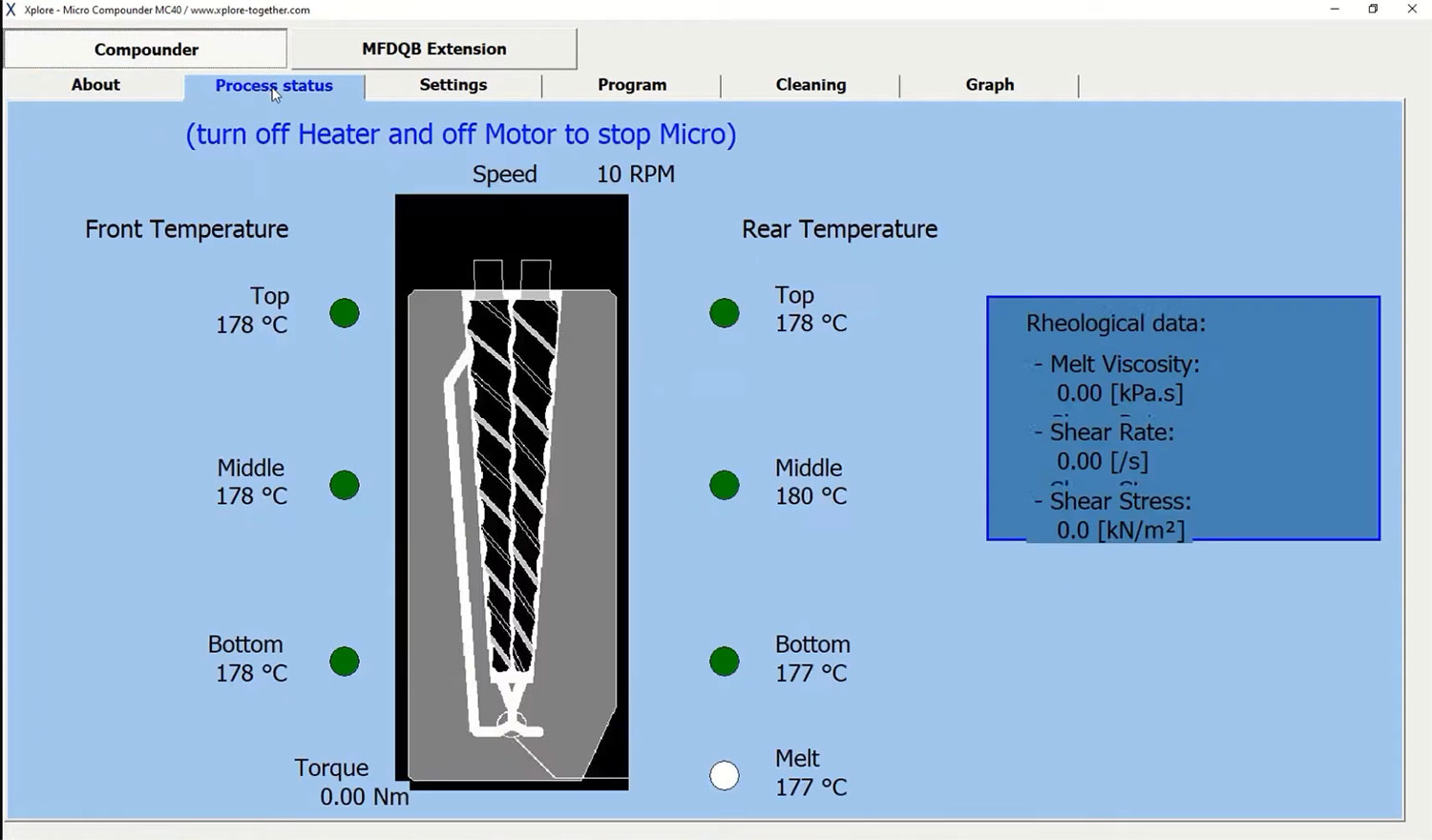
The MC 40 can be equipped with proprietary rheological software for direct upscaling to larger twin-screw extruders, enabling efficient translation from lab-scale development to production-scale processing. Designed for precision and reliability, the Xplore MC 40 is a robust tool for scientists seeking faster, stronger, and more accurate results in polymer research and material development.
Xplore MC 40
Micro-compounding Applications
Polymers
Micro-compounders accelerate formulation development and feasibility studies, reducing both time and costs. Additionally, post-die shaping instruments streamline and expedite polymer materials testing.
Polymer Composites
Micro-compounders aid in the development of polymer composites by incorporating functional additives such as stabilizers and antioxidants, enhancing material stability and performance.
Rubbers and Elastomers
Micro-compounders provide a faster and more cost-effective alternative to traditional Banbury-type internal mixers, making them ideal for feasibility studies and formulation screening.
sustainability
Micro-compounders are essential for developing sustainable and recyclable polymers, enabling the optimization of polymer properties, improving recycling quality, and reducing production costs.
Biomedical
Micro-compounders play a crucial role in formulating and evaluating plastic compounds for biomedical applications. They enable rapid prototyping and performance screening, facilitating the development of advanced materials.
Nutrition
Micro-compounders and extruders are effective tools for converting raw materials into structured, nutrient-dense products. One key application is the modification of plant proteins, such as soy, pea, and wheat gluten, to create textures that closely resemble meat.
Polymer Micro-compounding
Product Knowledgebase
Webinar
Advancing Thermoplastic Composite Research with Modular Small-Scale Processing
Thermoplastic composites are rapidly gaining ground across industries demanding lightweigh…
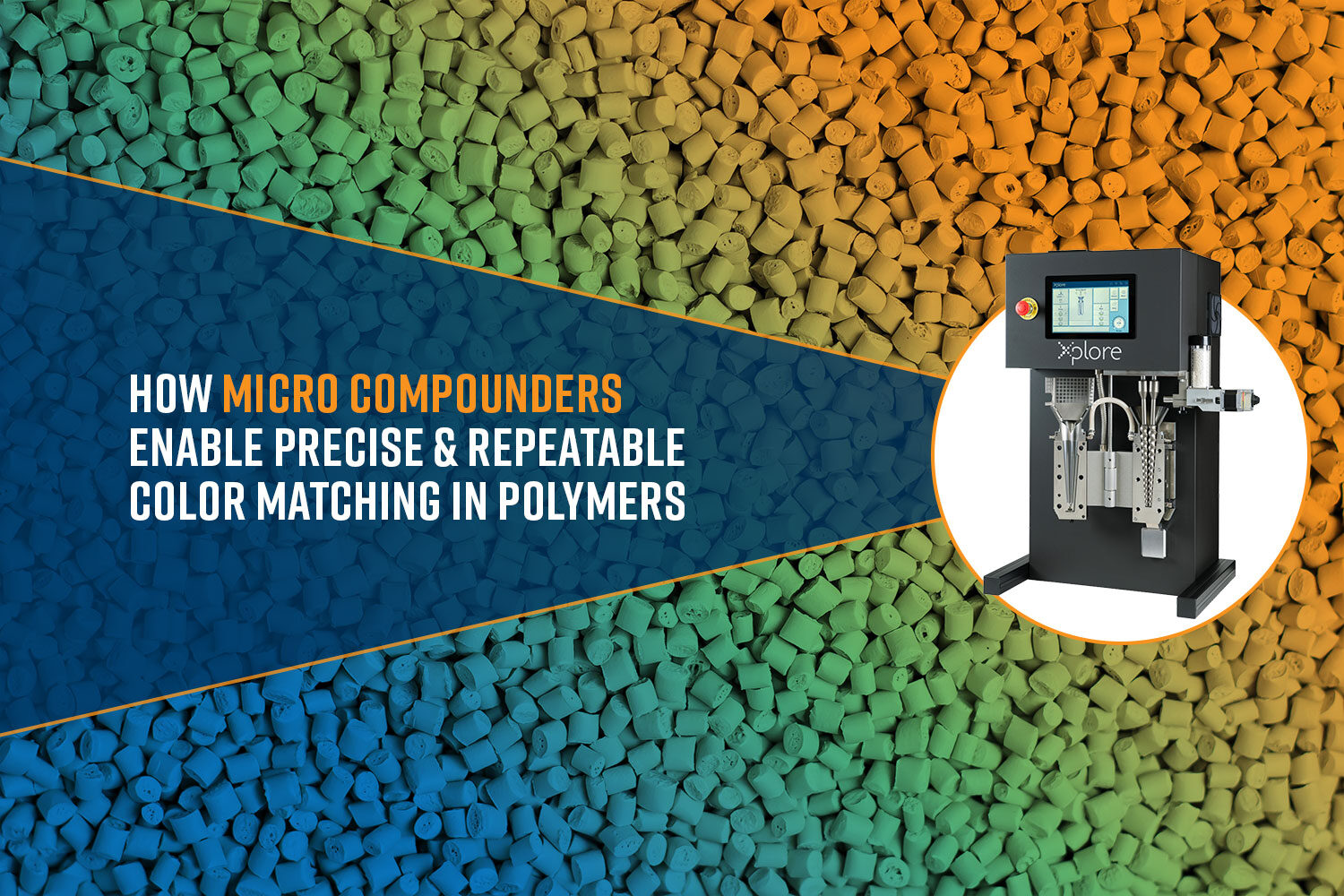
How Micro-compounders Enable Precise and Repeatable Color Matching in Polymers
Color matching in polymer compounding involves formulating and adjusting pigments, dyes, a…