

Polymer Micro Compounding
Pro Pelletizer
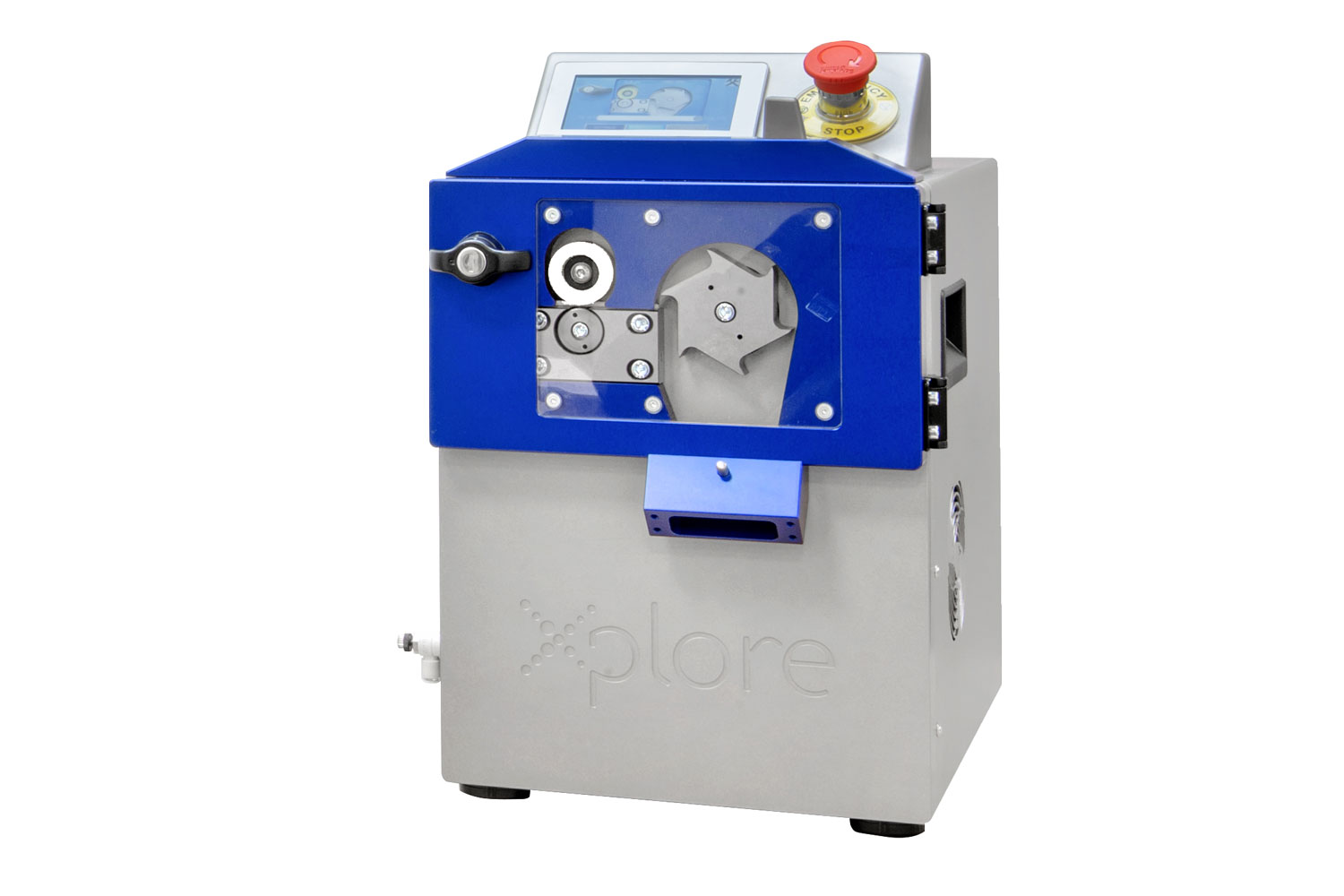
The Xplore Pro pelletizer is a CE and UL-compliant R&D granulation unit designed to cut polymer and rubber strands into pellets with adjustable lengths between 0.5 – 8 mm and diameters ranging from Ø1 – 3.5 mm.
Versatile Cutting Speeds
Xplore Pro Pelletizer offers a broad range of cutting speeds, up to 12 m/min, ensuring precise control over pellet length.
Integrated Touchscreen Control
Enables precise adjustment of pelletizing parameters directly within the system, eliminating the need for external devices.
Talk to an Instrumentation Specialist Today!
R&D Post-die Strand Pelletizer
The Xplore Pro Pelletizer is a post-die strand pelletizing system engineered for research and development environments where precise control over pellet size and shape is critical. Designed specifically for laboratory-scale polymer processing, the unit converts extruded polymer or rubber strands into uniform pellets across a wide range of sizes, enabling consistent downstream testing, material characterization, and formulation development.
Xplore Pro Pelletizer
Product Features
Integrated with Micro-Compounding Systems
The pelletizer is fully compatible with Xplore Micro-Compounders, creating a seamless workflow from compounding to pellet production. This integration allows researchers to efficiently process very small material volumes while maintaining accurate control over strand handling and pellet formation, an important advantage when working with expensive polymers, specialty additives, or newly synthesized materials.
Precision Control and Robust Drive System
The system features an integrated touchscreen interface that allows users to easily adjust pelletizing parameters directly on the unit without requiring external controllers. Pelletizing speeds can be precisely controlled up to 12 m/min, providing flexibility for processing materials with different rheological properties.
Two high-performance servo motors drive the cutting mechanism, delivering stable torque and a broad range of cutting speeds. This configuration ensures accurate pellet length control and repeatable performance, enabling the production of consistent pellets suitable for further processing, testing, or scale-up studies.
Flexible Strand Cooling Options
Proper cooling of the polymer strand prior to cutting is essential for achieving clean pellet geometry. The Xplore Pro Pelletizer offers two configurable cooling approaches:
- Optional Water Bath – Allows the freshly extruded strand to be cooled before entering the pelletizing unit. This approach is particularly useful for materials that require rapid solidification or improved dimensional stability before cutting.
- Conveyor Belt Pro System – When a water bath is not required, the pelletizer can be equipped with the Xplore Conveyor Belt Pro. This conveyor guides the strand directly from the compounder, provides sufficient cooling time, and delivers the strand to the pelletizer under stable conditions for optimal cutting performance.
Controlled Cutting for High-Quality Pellets
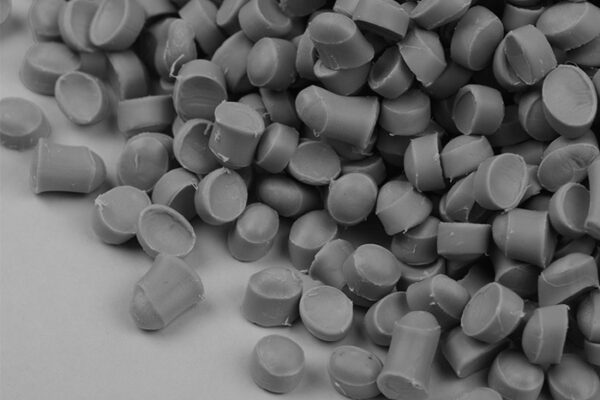
The pelletizer is specifically designed to handle the delicate, newly formed polymer strand exiting the die. The controlled cutting mechanism gently processes the strand while it is still in a semi-solid state, ensuring clean cuts without deforming the material. This approach helps prevent common pellet defects such as protrusions or irregular pellet edges, producing high-quality pellets suitable for analytical testing and further processing.
Safety and Ease of Maintenance
The Xplore Pro Pelletizer also emphasizes safe and convenient operation. Safety-interlocked access doors protect users during operation, while a front-opening panel provides straightforward access to internal components for cleaning and maintenance. These features help maintain reliable performance while minimizing downtime in laboratory environments.
Xplore Pro Pelletizer
Product Knowledgebase
Webinar
Advancing Thermoplastic Composite Research with Modular Small-Scale Processing
Thermoplastic composites are rapidly gaining ground across industries demanding lightweigh…
How Micro-compounders Enable Precise and Repeatable Color Matching in Polymers
Color matching in polymer compounding involves formulating and adjusting pigments, dyes, a…