

TEM Sample Preparation
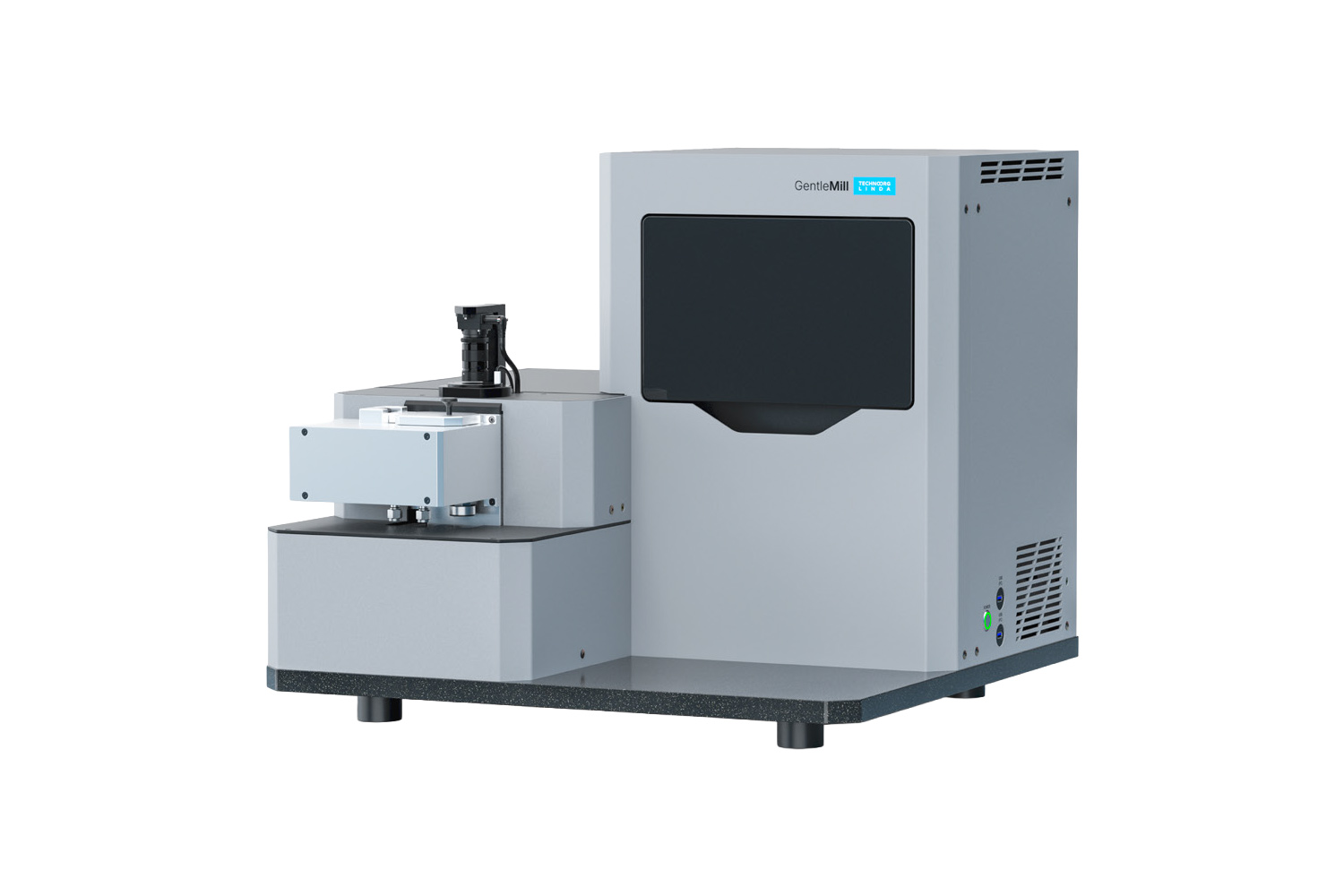
GentleMill Ion Mill
The newest generation of GentleMill from Technoorg Linda enables precise cleaning and post-processing of FIB lamellae, all through an intuitive and automated workflow. A low-energy argon ion source removes surface damage and amorphization induced by FIB milling. GentleMill utilizes a multi-step recipe system to ensure lamellae are fully prepared for high-end TEM analysis, simplifying and reducing the workload for researchers.
Artifact-free Samples
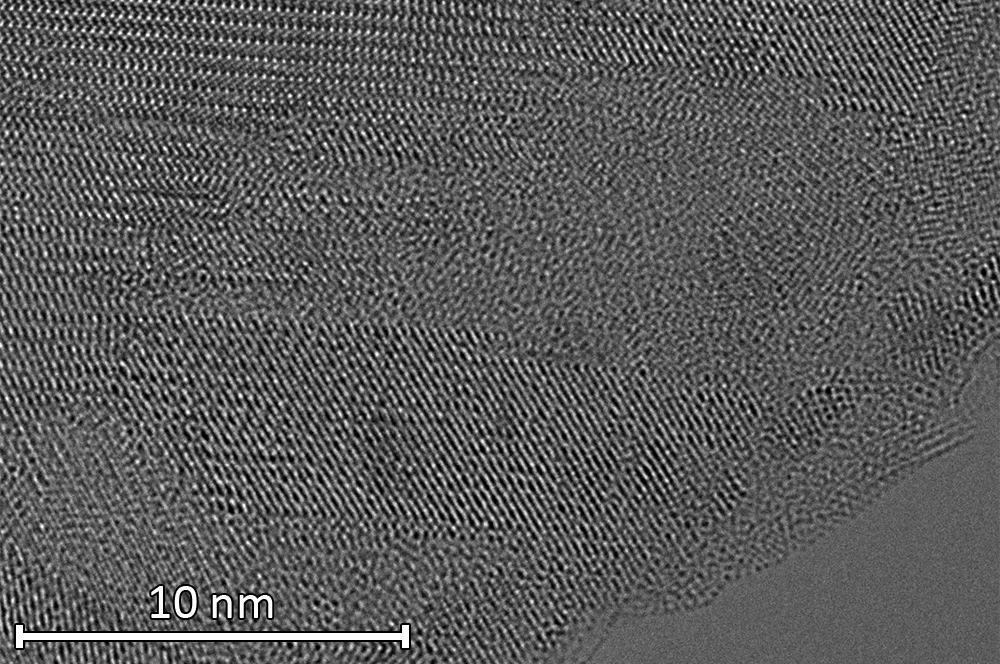
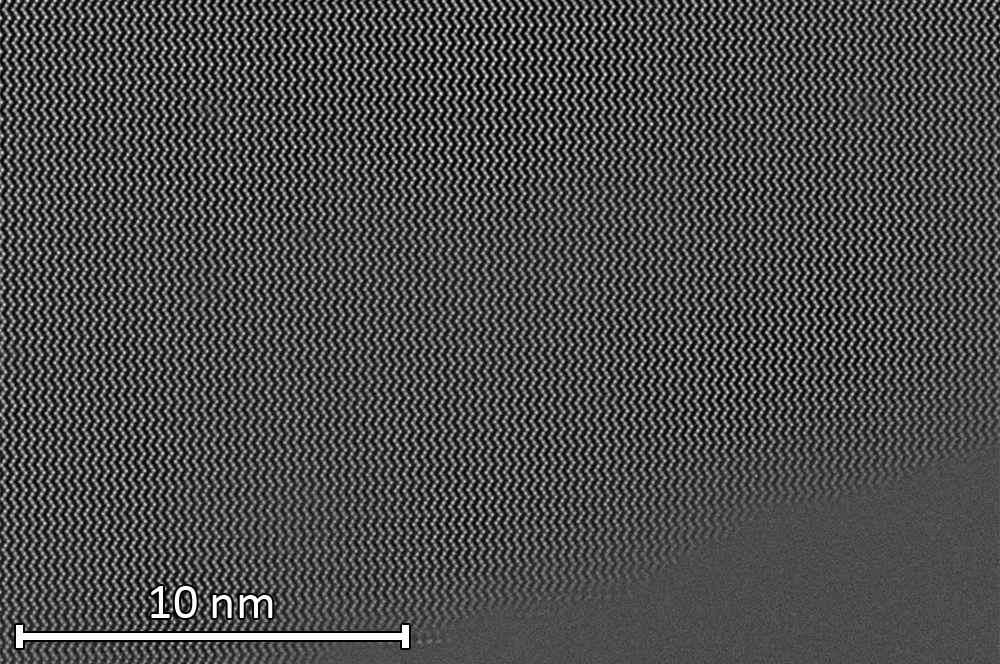
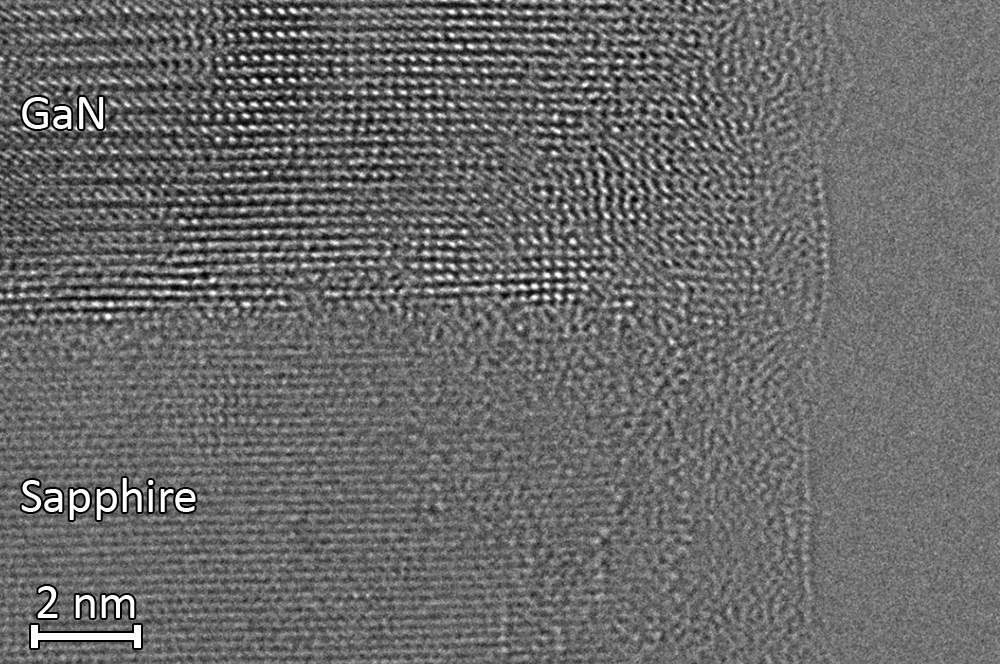
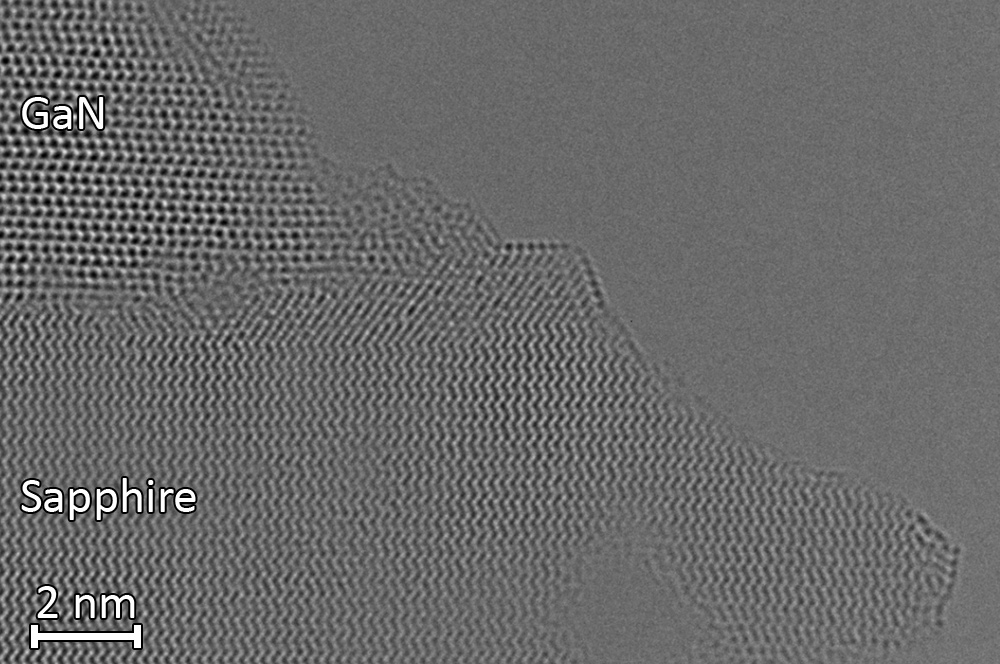
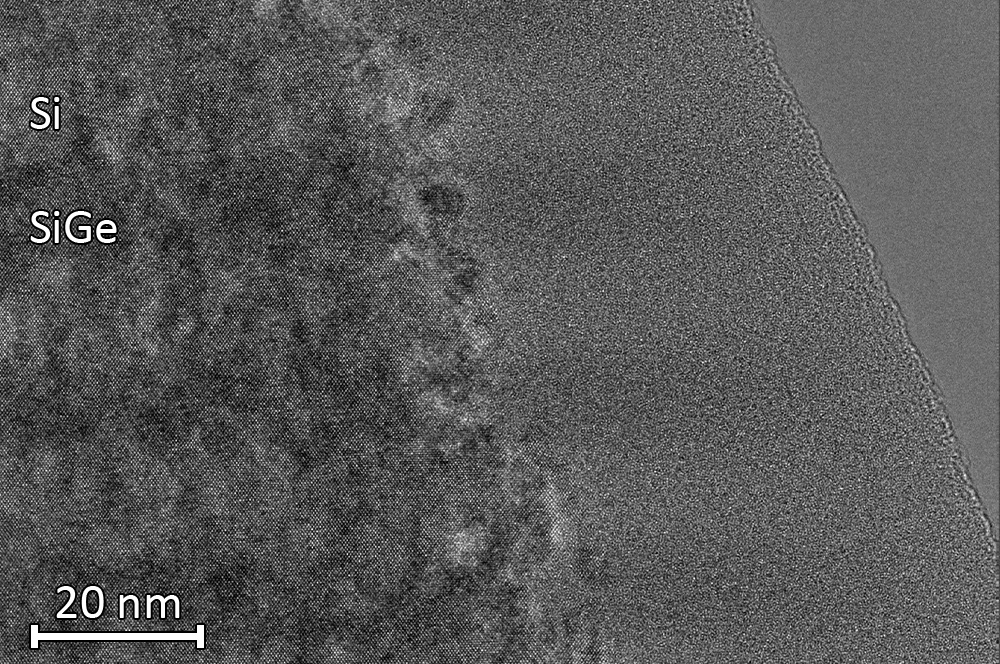
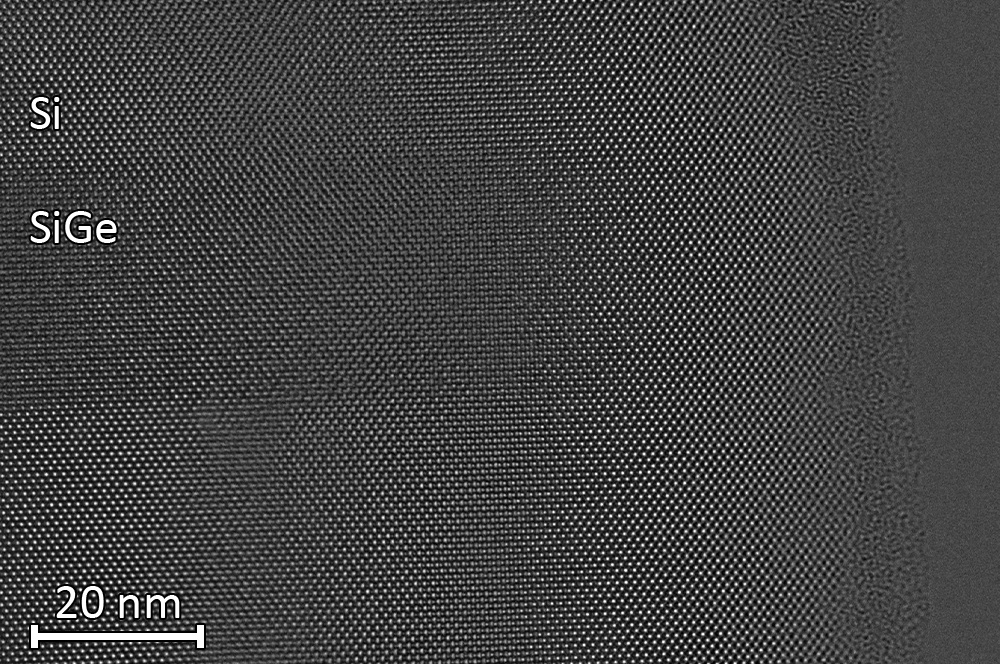
GentleMill eliminates artifacts from FIB milling, such as gallium contamination and amorphization, further improving the quality of electron transparent regions
Automated Workflow
Easily optimize treatment procedures by utilizing predefined recipes to ensure consistency and superb sample quality for users of all experience levels
Safe Lamellae Handling
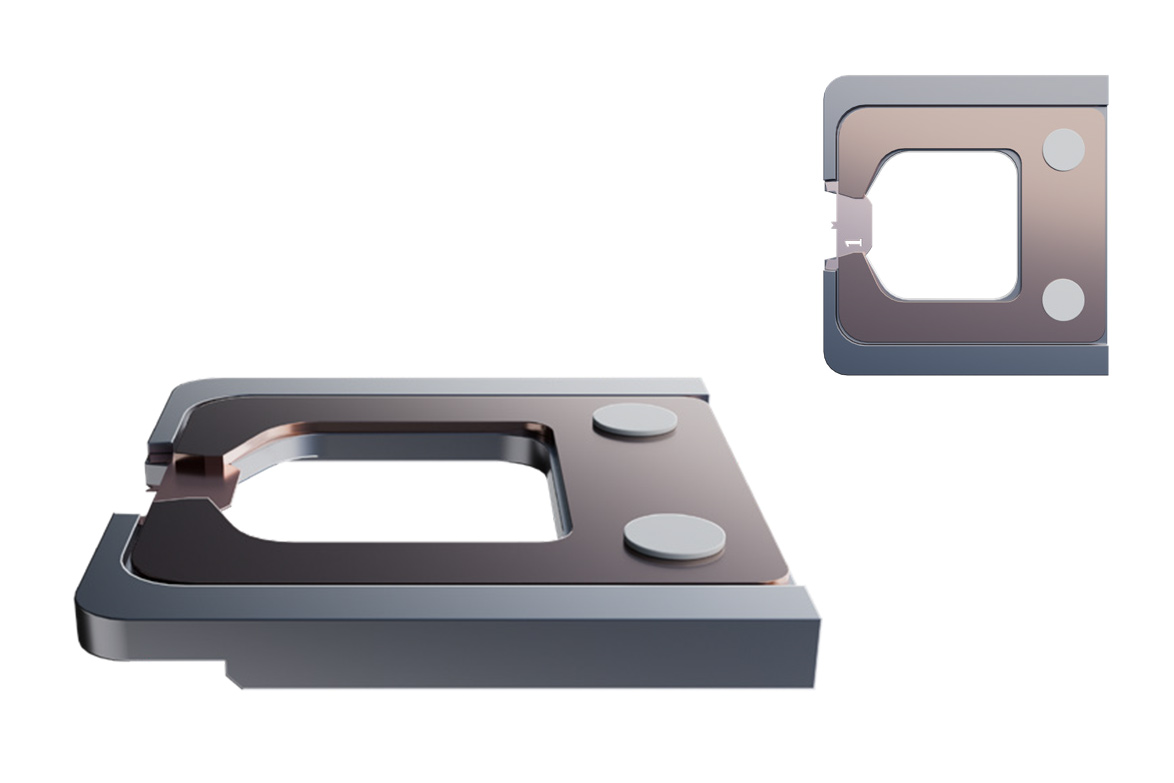
Newly designed sample cartridge simplifies the handling of FIB lamella during transfer between GentleMill and TEM instruments, saving both time and resources
Talk to an Instrumentation Specialist Today!
Quality Enhancement of Focused Ion Beam (FIB) Polishing
FIB lamellae analysis via TEM enables researchers to peer into the very building blocks of their samples, making it extremely valuable for high-end materials research. Creating these extremely thin lamellae is not a simple task; it requires extensive resources and skilled operation to produce one lamella fit for TEM analysis. Balancing both sample quality and speed of production can be quite difficult, and more often than not, quality gets sacrificed for speed. As high energy ions bombard the sample to accelerate production, they damage the local structure and leave behind artifacts such as ion implantation or amorphous layers, which can significantly impede analysis. At worst, this requires a new lamella to be produced. GentleMill seamlessly supports this workflow by removing these FIB-related artifacts, improving sample quality and saving precious resources.
GentleMill achieves this by utilizing a low-energy argon ion source to refine the surface of FIB-prepared samples. Lift out grids are mounted into the sample holder cartridge, which has been optimized for safe handling and transfer of the lamella. This cartridge is open-ended, enabling treatment of both the top and bottom of the lamella. Gentle and repeated application of the ion beam will remove artifacts from both sides, resulting in a pristine sample for high resolution TEM imaging. Designed for ease of use, GentleMill features prebuilt automated workflows that enable user-free, consistent, and reproducible operation. Users can also pre-program parameters like ion source setup, gas control, and sample movement, expanding GentleMill’s application flexibility.
Application Areas:
- Semiconductors
- Batteries
- Metallurgy
- Nanotechnology
Technoorg Linda GentleMill
Product Features
Automated operation
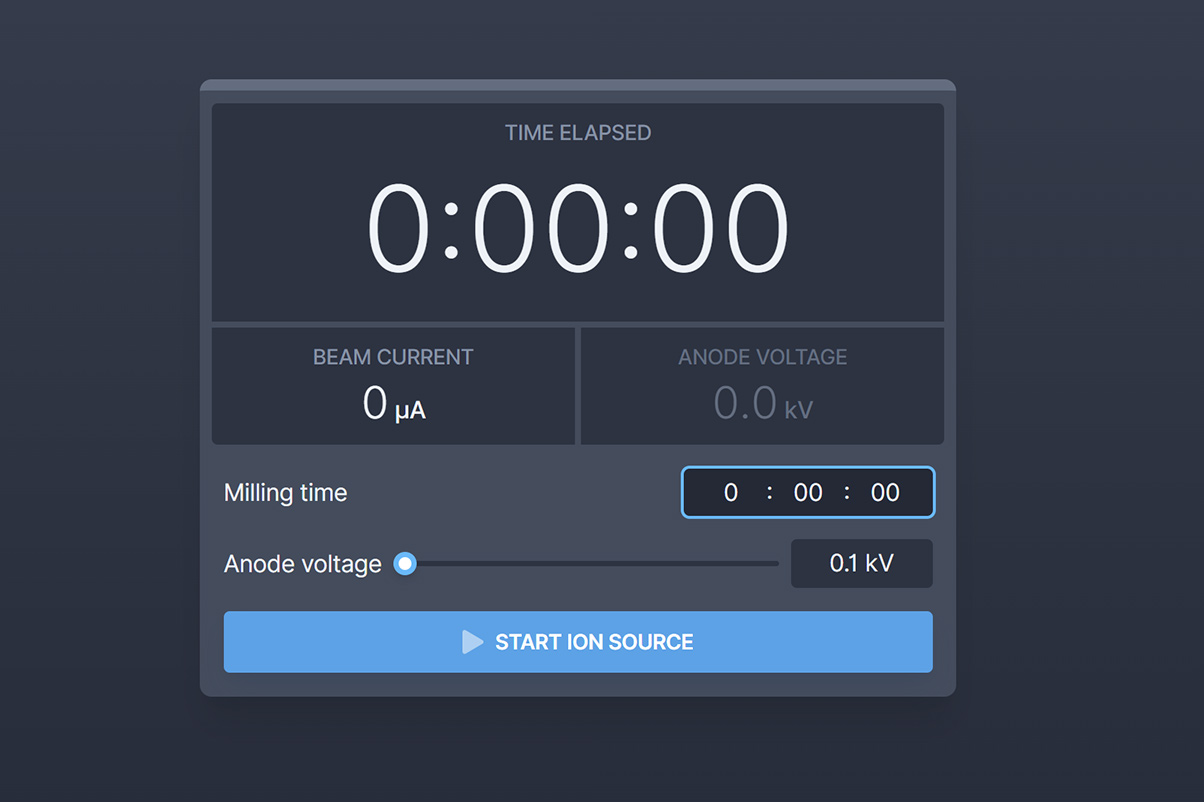
Using an intuitive graphical interface, milling parameters such as ion source setup, gas flow control, and sample movements can be stored or set in advance. Prebuilt recipes enable fully automated control, independent from the user. This also lowers the training time and experience required for high-quality polishing.
Cartridge sample holder
The GentleMill’s cartridge sample holder uses a dedicated loading tool to secure the lift-out grid within the cartridge. This protects TEM samples throughout preparation and transfer, simplifying the handling process for users of all skill levels. The cartridge sample holder is ideal for sensitive materials requiring protected environments.
Advanced ion source
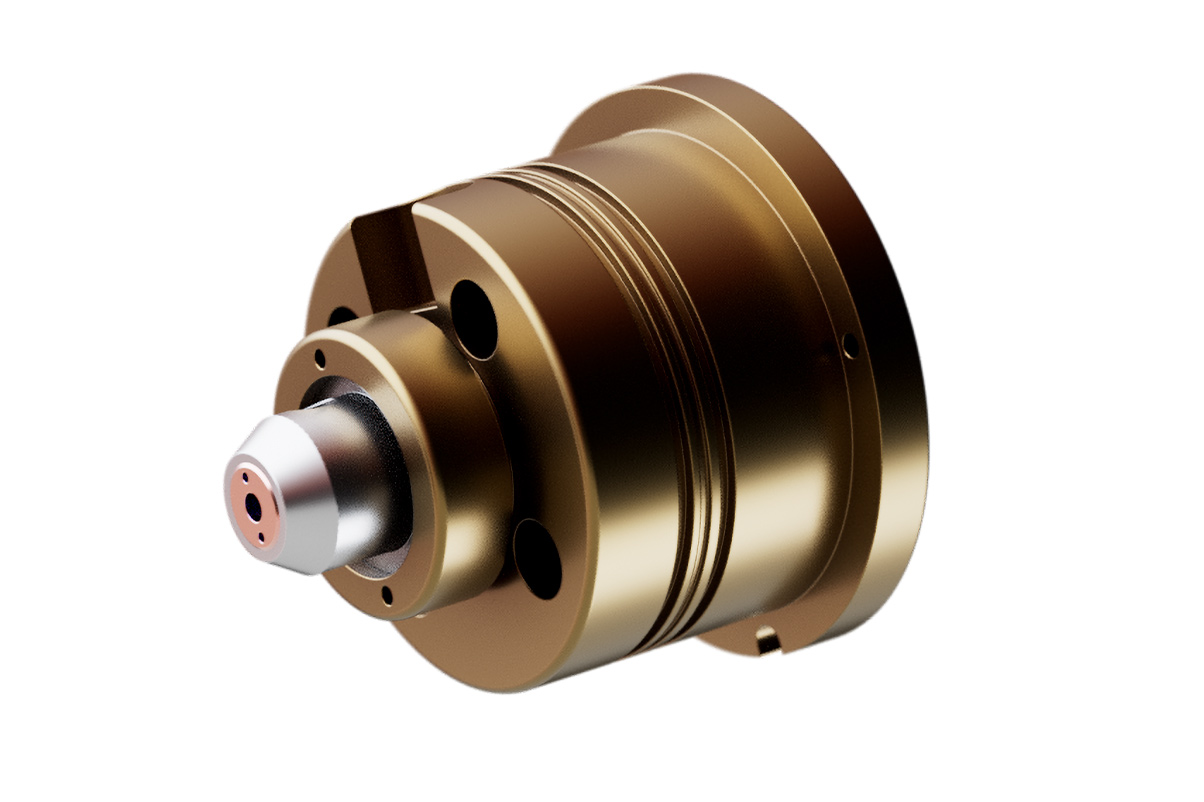
GentleMill operates with a patented hot-cathode low-energy ion source that is capable of wide, continuous accelerating voltage adjustments between 100 eV and 2 keV. Beyond its ability to minimize surface damage and eliminate beam-induced amorphization, the low-energy ion source also boasts an extensive lifetime thanks to its robust design. This greatly minimizes the amount of maintenance required.
Small form factor
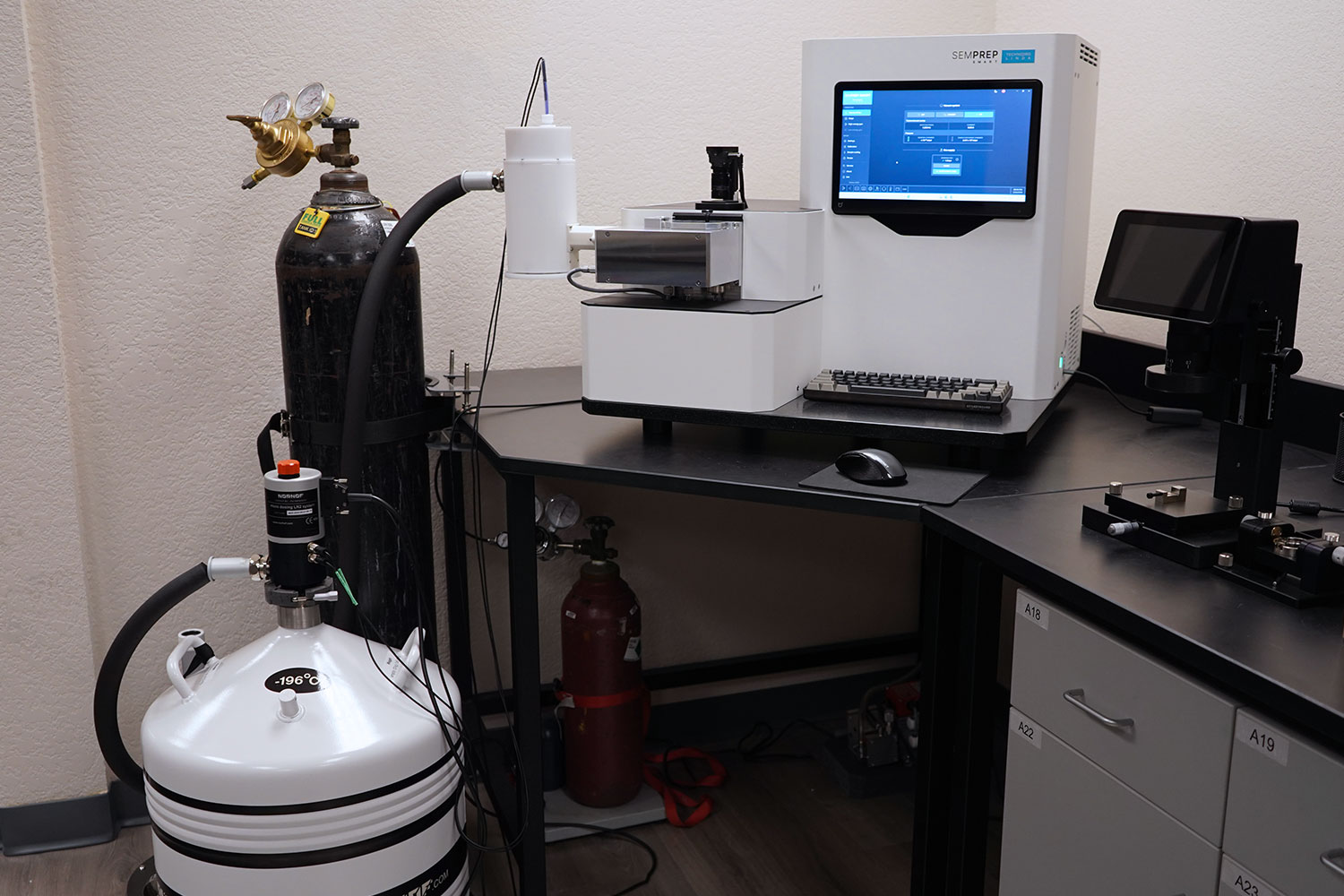
The new generation of GentleMill has been designed based on the award-winning design of the SEMPREP SMART platform. GentleMill is a benchtop-sized instrument that requires only an argon gas supply and a standard wall outlet, removing the need for specialized infrastructure.
Observation system:
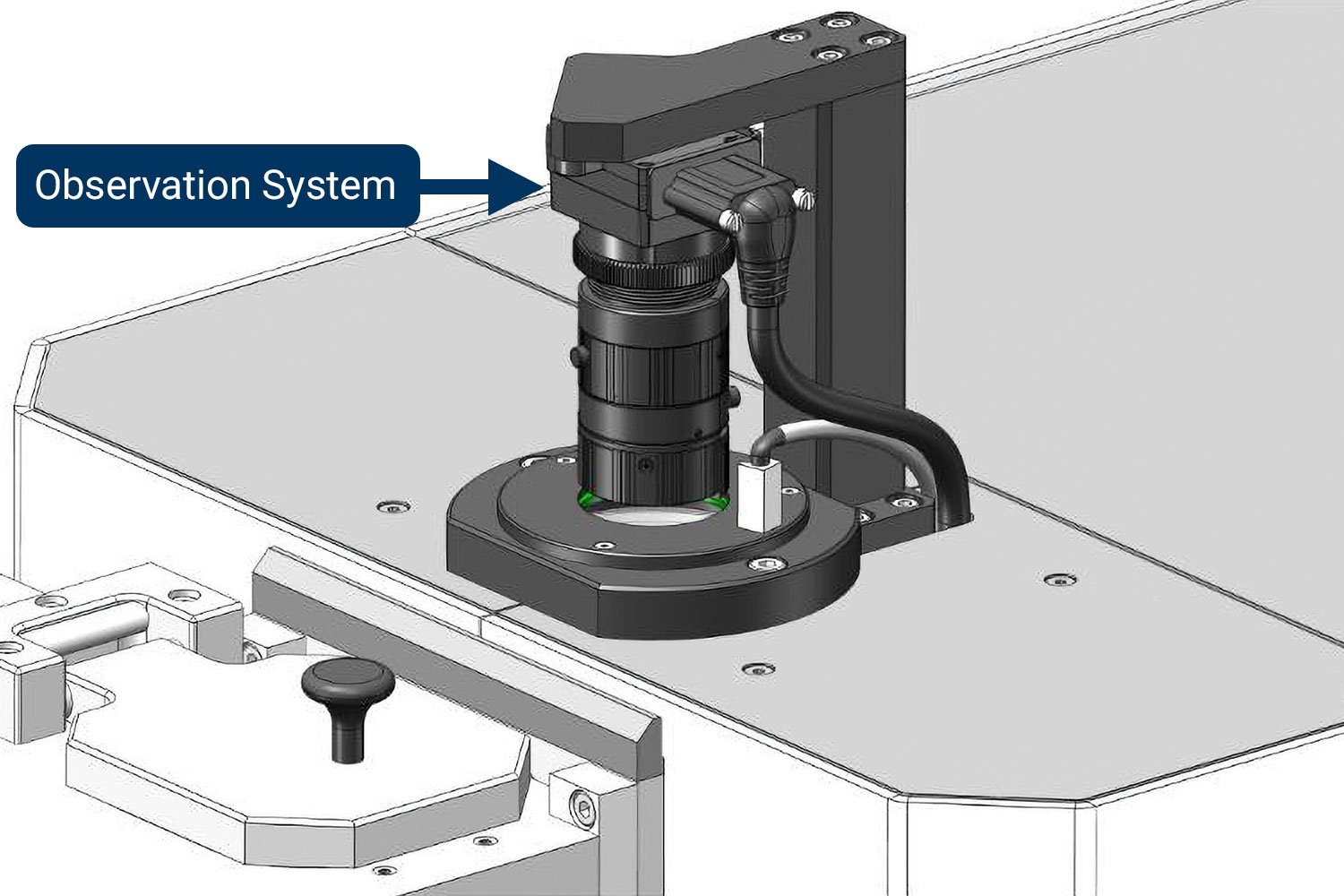
GentleMill systems include the option for a CMOS camera mounted above a dedicated viewing port, allowing real-time monitoring of the milling process. To protect the viewing window from contamination by sputtered material, the port is fitted with a protective shutter. With the shutter open, users can observe the lamella cleaning progression directly through the camera, enabling precise process control and optimization.
Sample cooling
Technoorg Linda GentleMill
Product Accessories
Protective Transfer Unit
The protective transfer unit (PTU) is a dedicated solution for air-sensitive and moisture-sensitive sample transfer between the GentleMill and a glovebox. Supporting both vacuum and inert-gas environments, this tool provides maximum flexibility and protection throughout the entire preparation process.
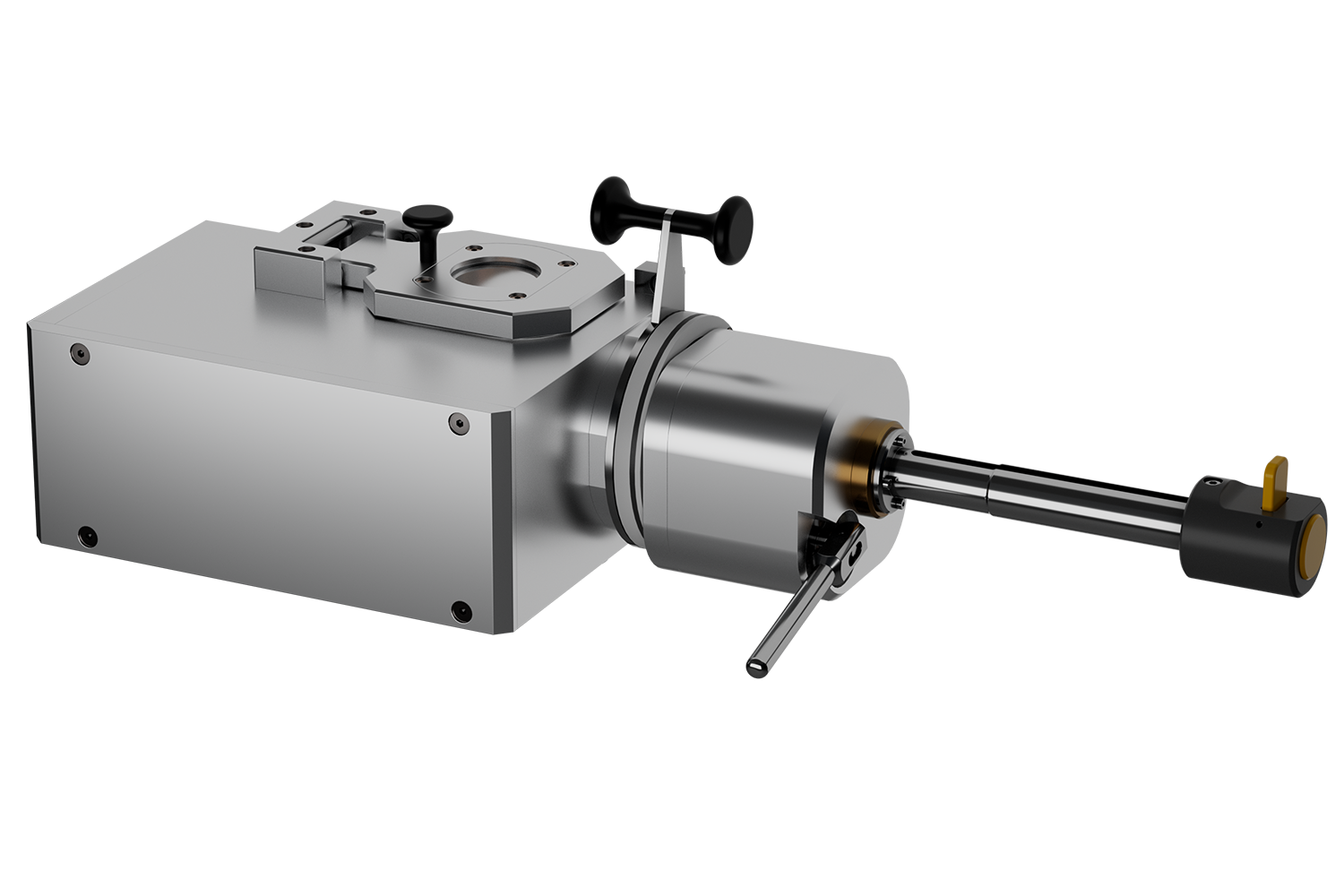
Technoorg Linda GentleMill
Product Knowledgebase
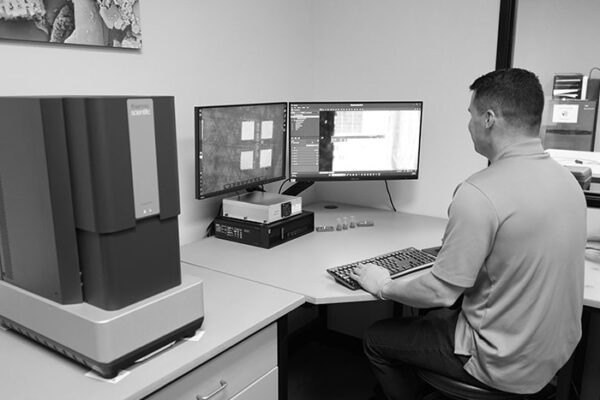
Webinar
Practical SEM and Ion Mill Applications for Semiconductor R&D to Production
Scanning Electron Microscopes (SEMs) and Cross-sectioning/Polishing tools play a vital rol…
Broad Ion Beam vs. Focused Ion Beam Polishing: Choosing the Right Technique for Sample Preparation
When preparing samples for electron microscopy, the choice of method directly impacts the…
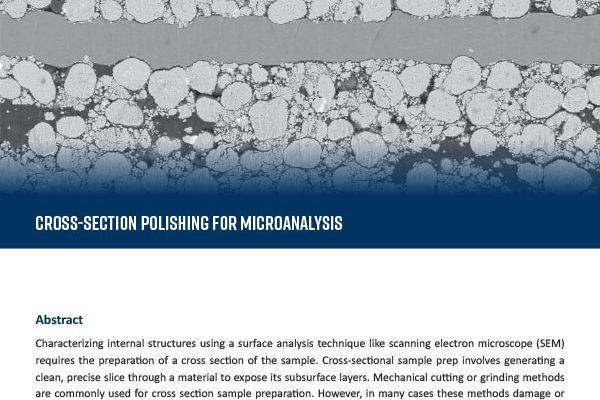
White Paper
Cross-Section Polishing for Microanalysis
Characterizing internal structures using a surface analysis technique like scanning electr…