

TEM Sample Preparation
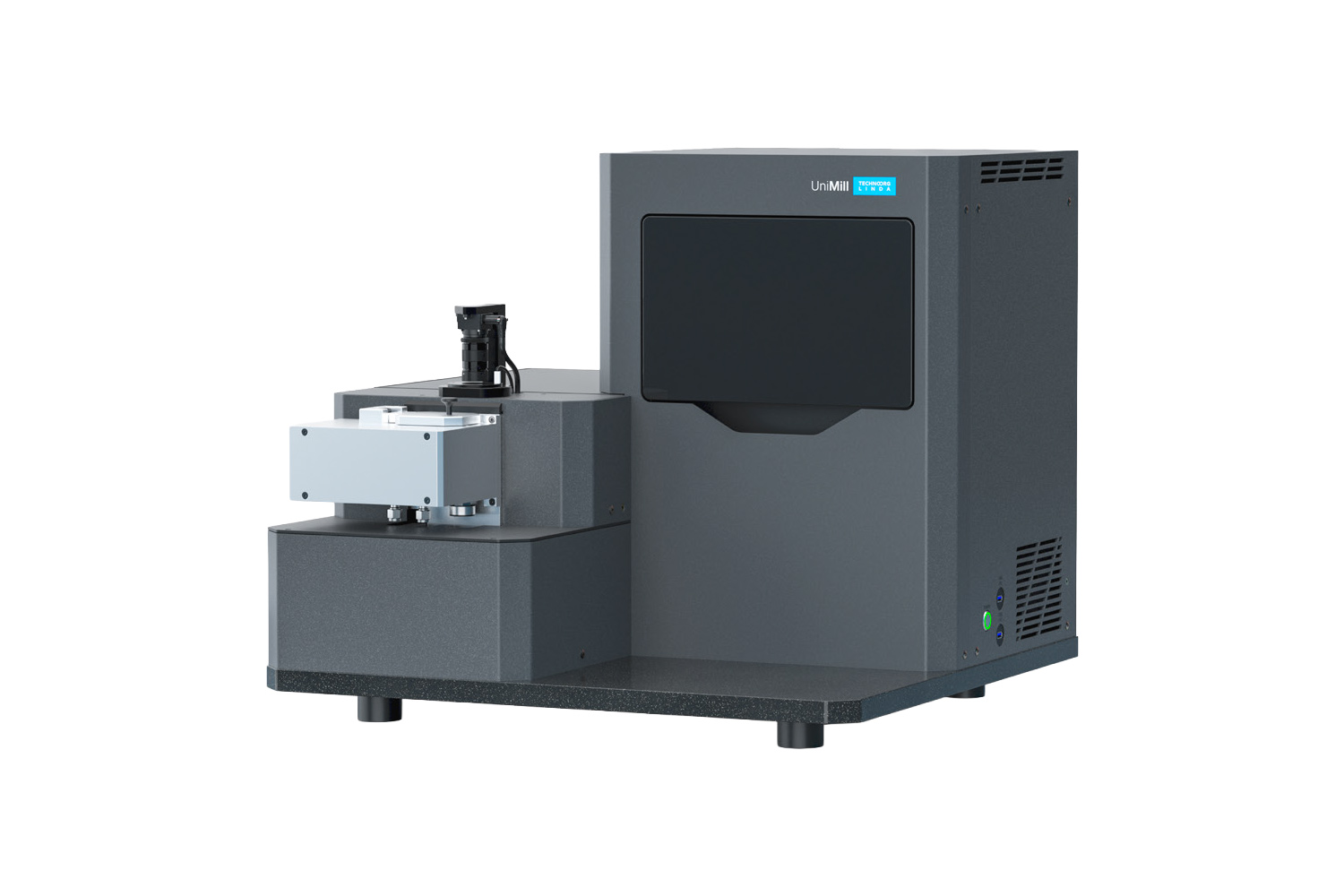
UniMill
The newest generation of UniMill from Technoorg Linda enables rapid, affordable preparation of high-quality TEM and XTEM samples without a FIB. Dual ion sources and intuitive interfaces allow users to quickly thin, polish, and clean samples in one step. UniMill users also benefit from automation features, including recipe building and perforation detection, that reduce the need for intervention and improve reproducibility.
Accessible Preparation
UniMill provides a more accessible alternative to FIB preparation of bulk materials, with recipe building capabilities and an user-to-use interface. Minimal experience is required.
Dual Ion Sources
High-energy (2 – 16 keV) and low-energy (0.1 – 2 keV) ion sources combine high milling rates with precision polishing and gentle surface finishing for TEM sample preparation.
Higher Quality Samples
An observational system and open-ended sample holder work together to automatically prevent resputtering and redeposition on the sample.
Talk to an Instrumentation Specialist Today!
Unique observational system & open-ended sample holder prevent resputtering and material redeposition
UniMill offers a quicker, simpler, and more affordable way to prepare bulk materials for TEM or XTEM analysis. By using a high-energy ion source (2 – 16 keV) to achieve high thinning rates, and a low-energy ion source (0.1 – 2 keV) for cleaning and polishing steps, the UniMill provides a comprehensive alternative to traditional focused ion beam (FIB) systems. While most TEM preparation methods result in a scannable area of a few microns in diameter, the UniMill can produce an ideal analysis area of 50 microns. Automation features and an intuitive user interface simplify the process, significantly reducing the training needed to obtain high-quality TEM samples.
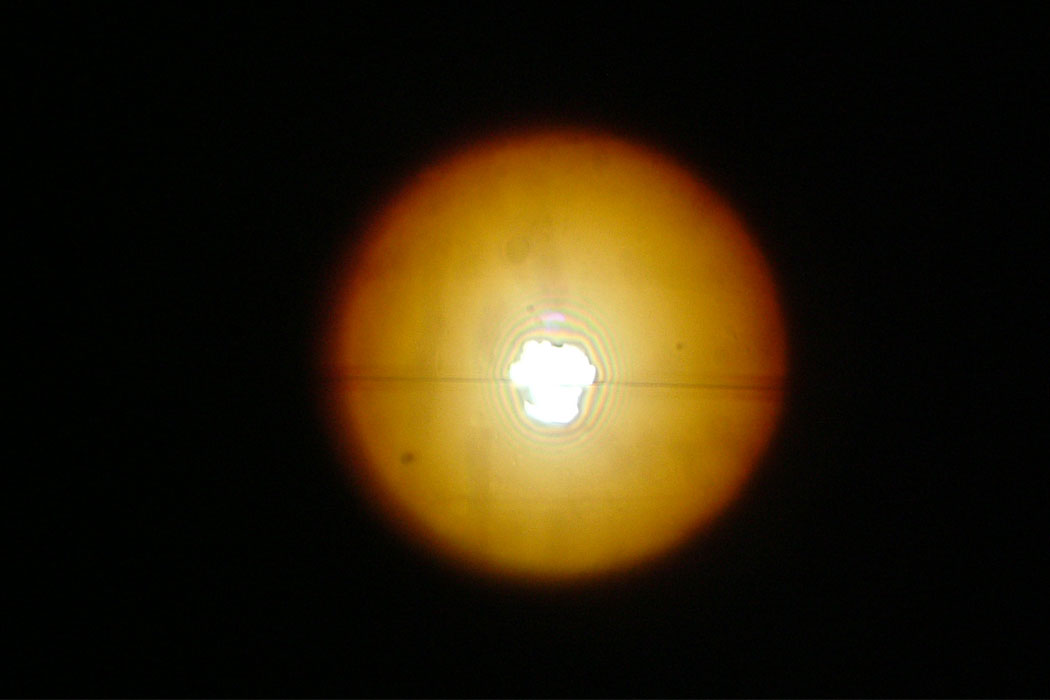
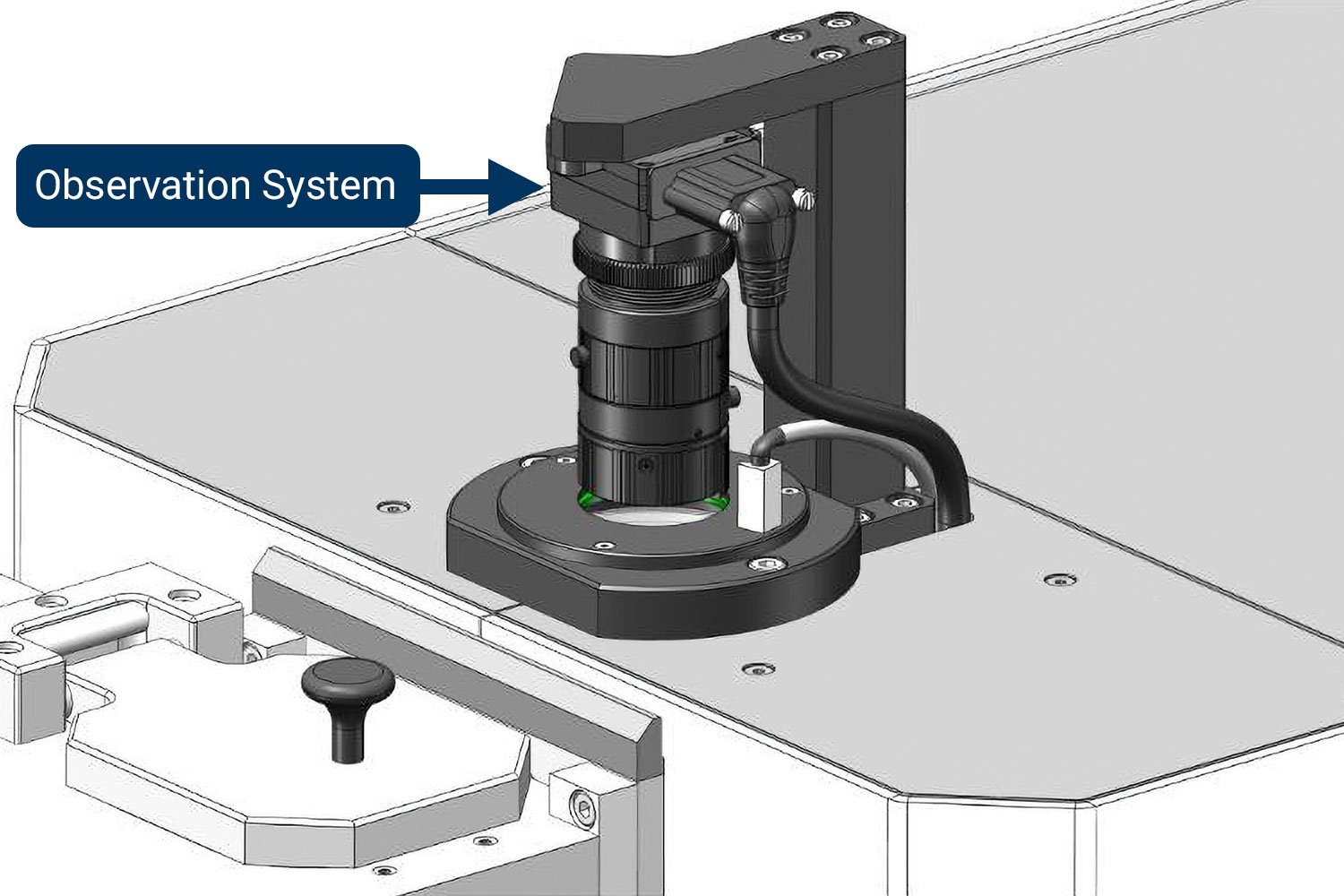
UniMill uses a high-energy ion source to thin the bulk material by continuously bombarding the surface with energized ions. With extended exposure, the beam will cut through the material to create a hole or perforation. As soon as the sample has been punctured, the observation system above UniMill’s open ended sample holder automatically detects the perforation using transmitted light and shuts off the ion source to prevent resputtering and redeposition. The newly created, electron transparent edges of the hole will be ideal for TEM analysis. Scan quality can be further improved by using the low energy ion source to gently clean the sample, which increases the available area for TEM imaging. Cleaning can be achieved from both the top and bottom of the sample due to the open-ended design of the UniMill sample holder.
Application Areas:
- Materials science
- Metallurgy
- Ceramics



Technoorg Linda UniMill
Product Features
Dual function
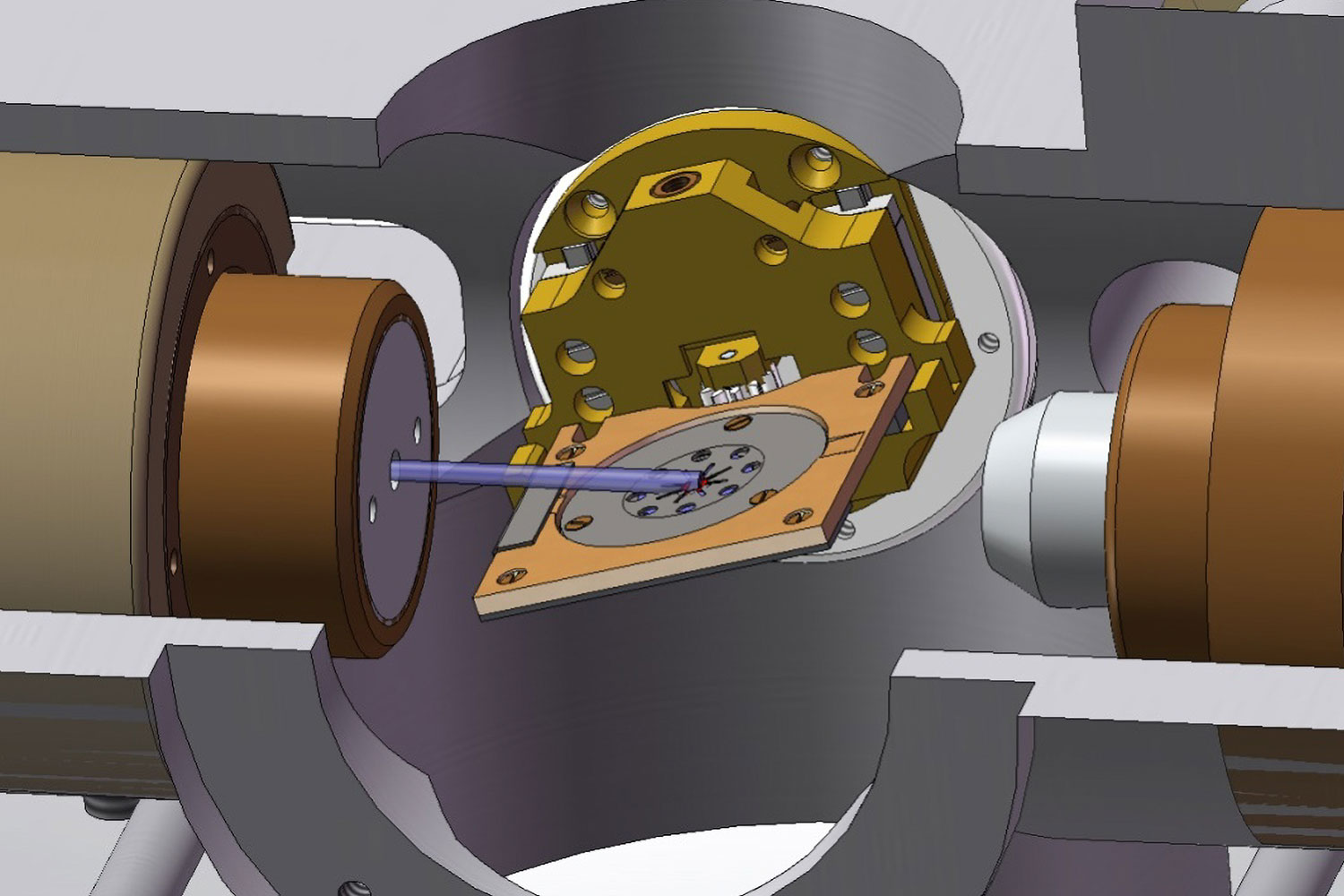
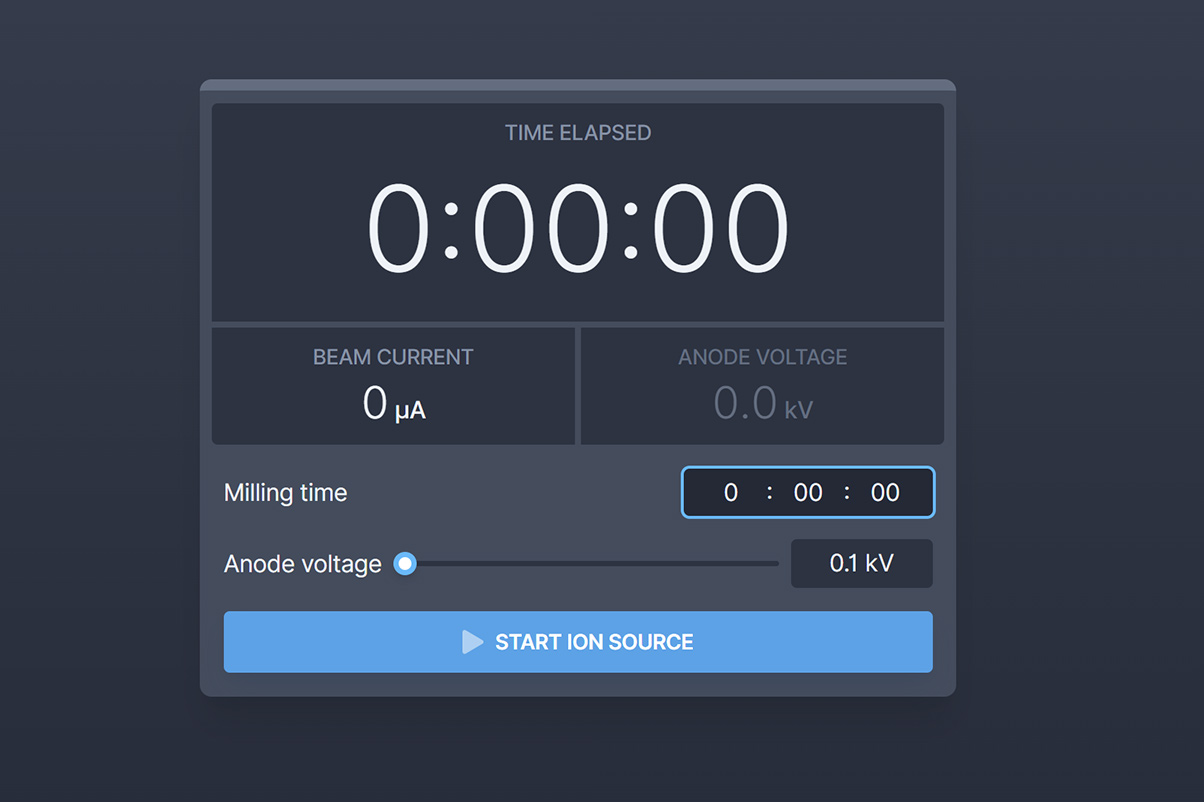
UniMill uses a high-energy ion source of 2 – 16 keV to achieve a high milling rate, and a low-energy ion source of 0.1 – 2 keV for gentle cleaning and polishing. Ion source parameters, such as accelerating voltage and beam current, can be set and modified either manually or automatically. Nestled between the two ion sources is the sample stage, which offers precise movement control, with 180° of oscillation and 30° of milling angle tilt, both with 0.1° of precision.
Unique stage and sample holder
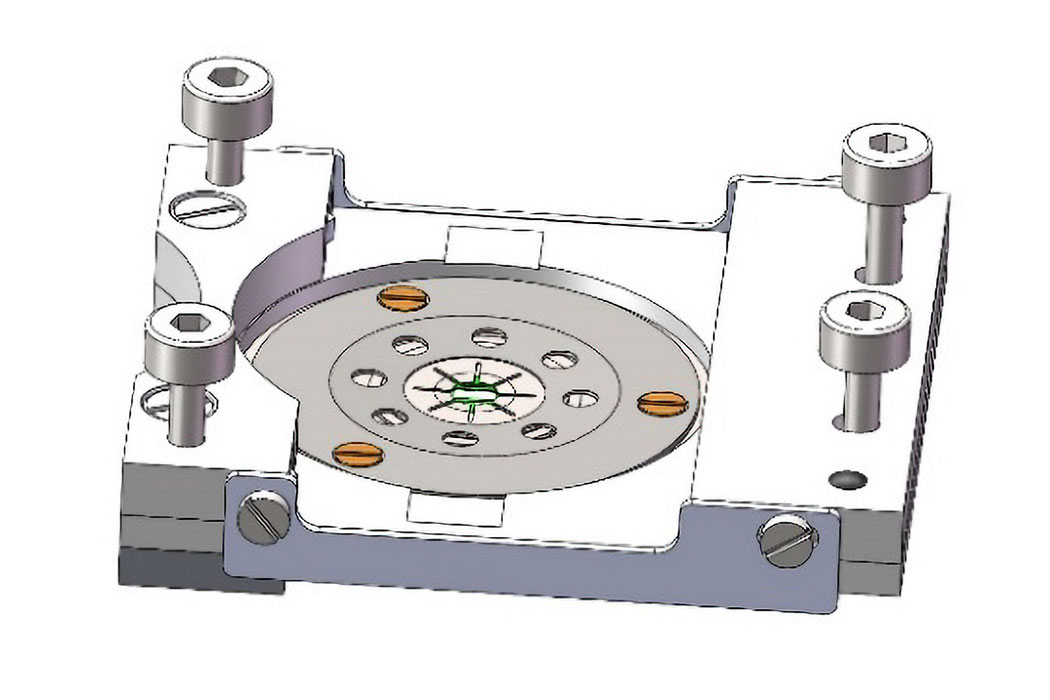
A highlight of the UniMill is its open-ended sample holder design, which is unique among broad ion beam (BIB) instrumentation. It succeeds in reducing overall resputtering and redeposition and allows for cleaning on both sides of the sample, leading to enhanced sample quality. UniMill can also be equipped with two other holders. One designed for EBSD samples and one for XTEM.
Intuitive, automated operation
With an included recipe library and multi-step recipe builder for custom operations, UniMill can be easily automated for improved reproducibility and throughput. The user-friendly interface of UniMill also lowers the complexity of operation and training.
Observation system:
For supervision of milling procedures and automatic detection of perforations, UniMill is equipped with a 5 megapixel camera above the sample holder. This allows users to check the progress of their sample and terminate the process early if needed. Automatic perforation detection is conducted by the UniMill to prevent resputtering and trigger a switch to the low-energy ion source for final cleaning.
Sample cooling
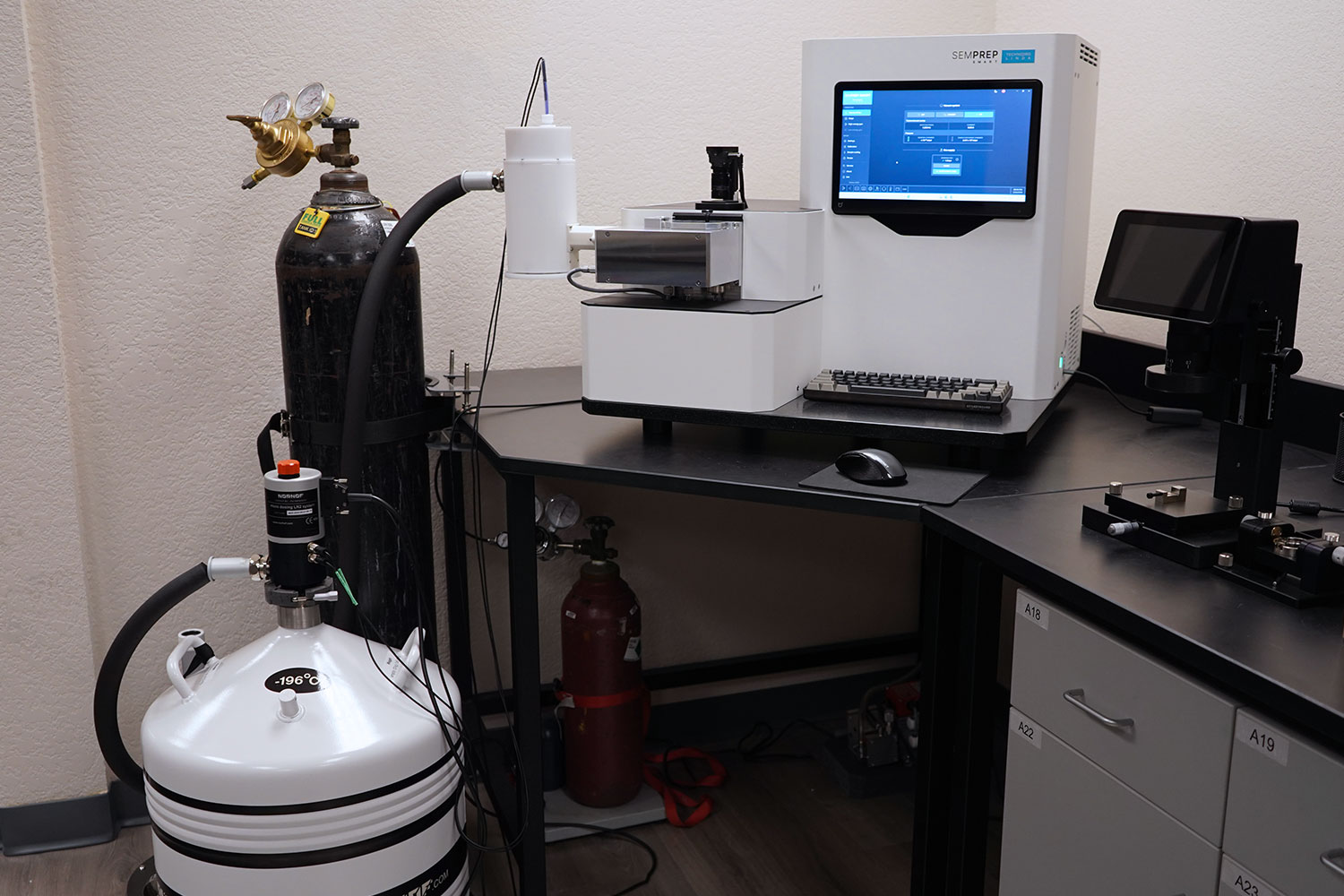
Due to the design of the sample holder, external cooling is not always necessary to obtain high-quality surfaces. However, both Peltier and liquid nitrogen cooling are available for more sensitive or volatile samples.
Technoorg Linda UniMill
Product Knowledgebase
Webinar
Practical SEM and Ion Mill Applications for Semiconductor R&D to Production
Scanning Electron Microscopes (SEMs) and Cross-sectioning/Polishing tools play a vital rol…

Broad Ion Beam vs. Focused Ion Beam Polishing: Choosing the Right Technique for Sample Preparation
When preparing samples for electron microscopy, the choice of method directly impacts the…

White Paper
Cross-Section Polishing for Microanalysis
Characterizing internal structures using a surface analysis technique like scanning electr…
Want to learn more? Talk to a scientist:
Technoorg Linda GentleMill
Product Features
Automated operation
Using an intuitive graphical interface, milling parameters such as ion source setup, gas flow control, and sample movements can be stored or set in advance. Prebuilt recipes enable fully automated control, independent from the user. This also lowers the training time and experience required for high-quality polishing.
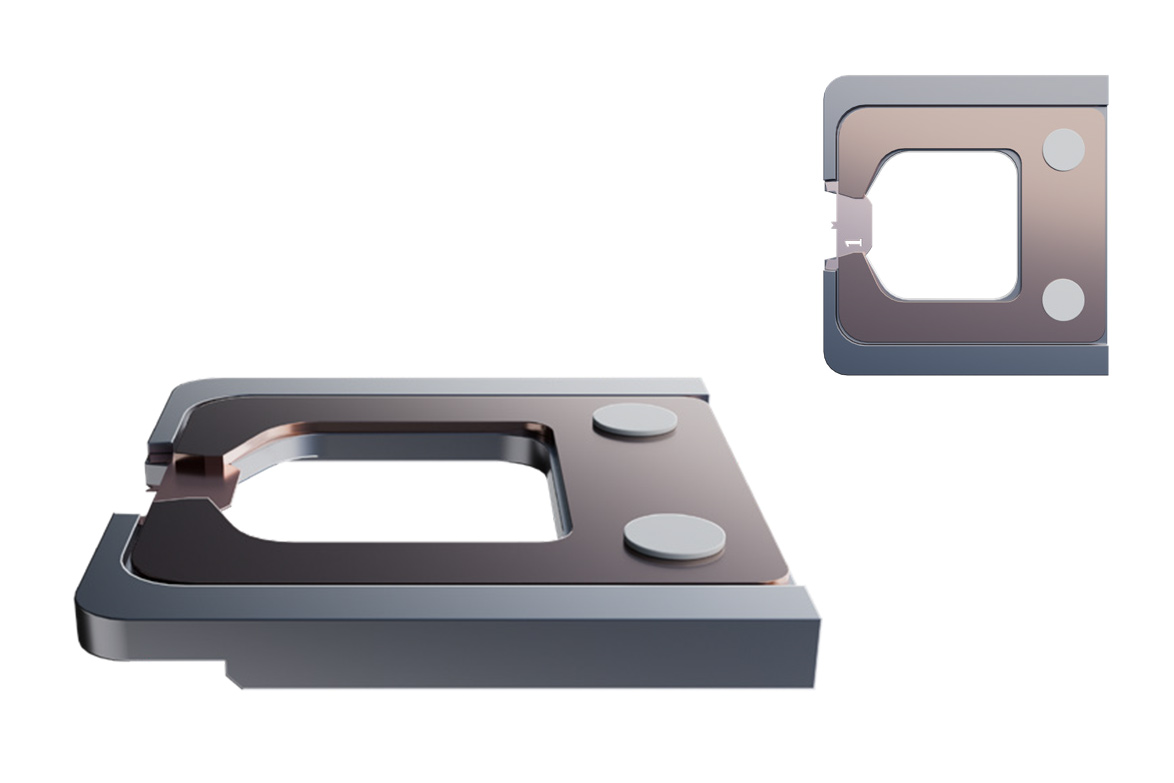
Cartridge sample holder
The GentleMill’s cartridge sample holder uses a dedicated loading tool to secure the lift-out grid within the cartridge. This protects TEM samples throughout preparation and transfer, simplifying the handling process for users of all skill levels. The cartridge sample holder is ideal for sensitive materials requiring protected environments.
Advanced ion source
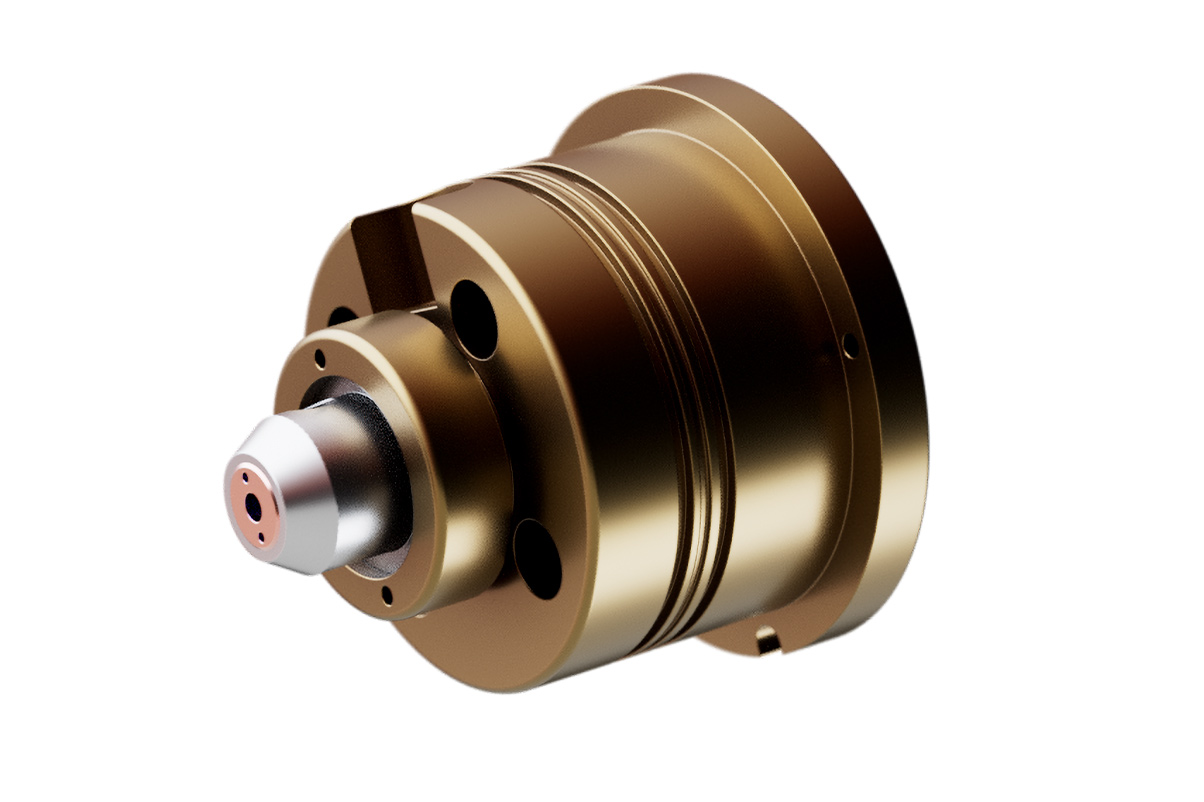
GentleMill operates with a patented hot-cathode low-energy ion source that is capable of wide, continuous accelerating voltage adjustments between 100 eV and 2 keV. Beyond its ability to minimize surface damage and eliminate beam-induced amorphization, the low-energy ion source also boasts an extensive lifetime thanks to its robust design. This greatly minimizes the amount of maintenance required.
Small form factor
The new generation of GentleMill has been designed based on the award-winning design of the SEMPREP SMART platform. GentleMill is a benchtop-sized instrument that requires only an argon gas supply and a standard wall outlet, removing the need for specialized infrastructure.
Observation system:
GentleMill systems include the option for a CMOS camera mounted above a dedicated viewing port, allowing real-time monitoring of the milling process. To protect the viewing window from contamination by sputtered material, the port is fitted with a protective shutter. With the shutter open, users can observe the lamella cleaning progression directly through the camera, enabling precise process control and optimization.