

The Gold Standard in QCM-D
QSense is Trusted by the World’s Leading Labs
For over three decades, QSense Quartz Crystal Microbalance with Dissipation monitoring (QCM-D) instruments have empowered researchers at world-leading universities, national laboratories, government institutions, and industrial R&D centers to observe and understand surface and interfacial processes in real time at the nanoscale.
1,000+
QSense instruments installed globally
6,000+
Peer-reviewed QSense publications
Since 1996
Biolin Scientific has been Pioneering innovation & commercializing QCM-D
100+
Sensor surface materials available
Talk to an Instrumentation Specialist Today!
QCM-D: A WELL-ESTABLISHED TECHNOLOGY
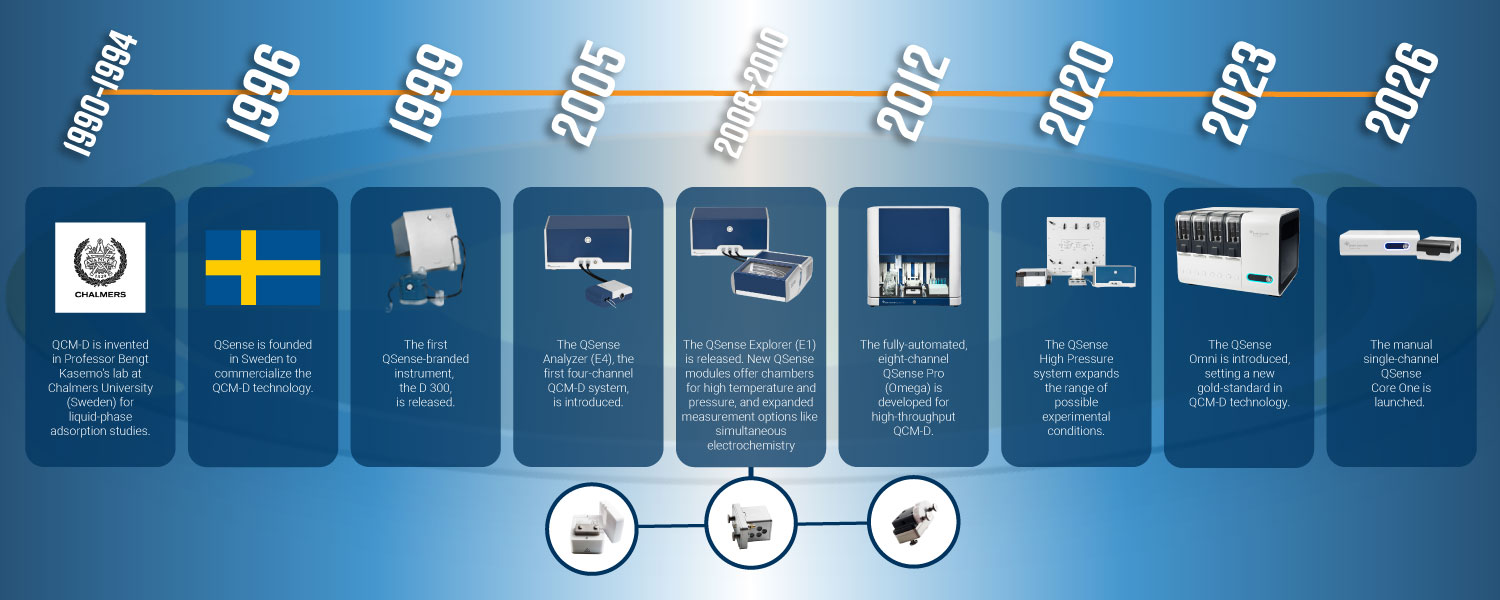
30 years of Pioneering QCM-D
REAL RESEARCH. REAL APPLICATIONS.
QSense Customer Highlights
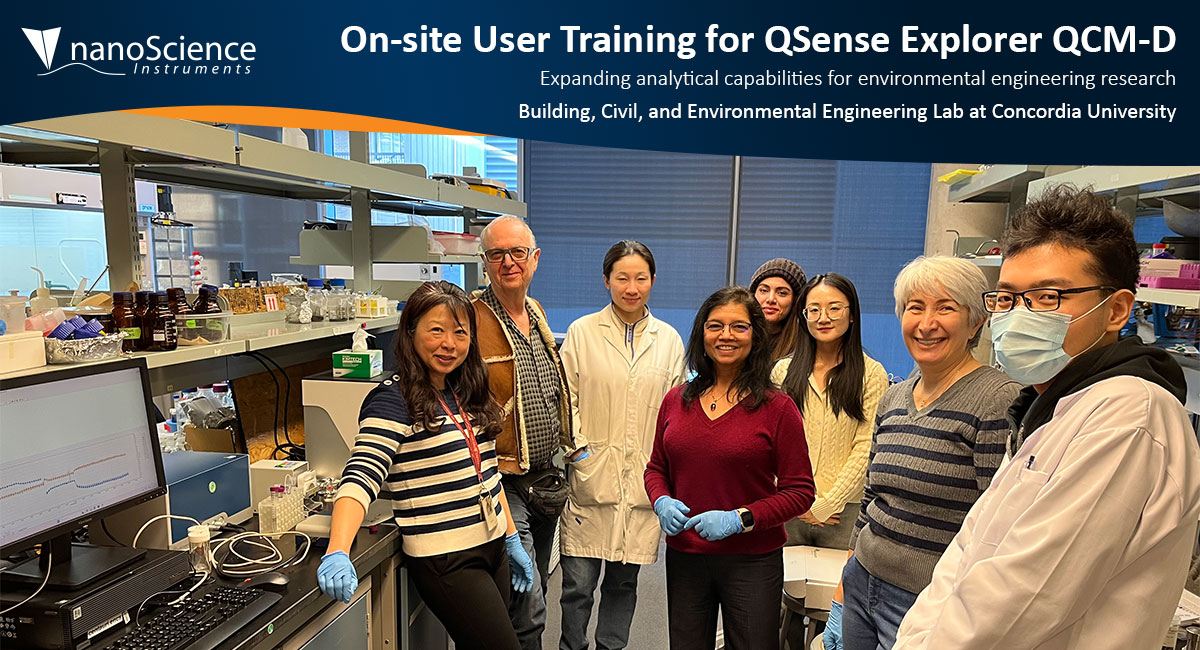
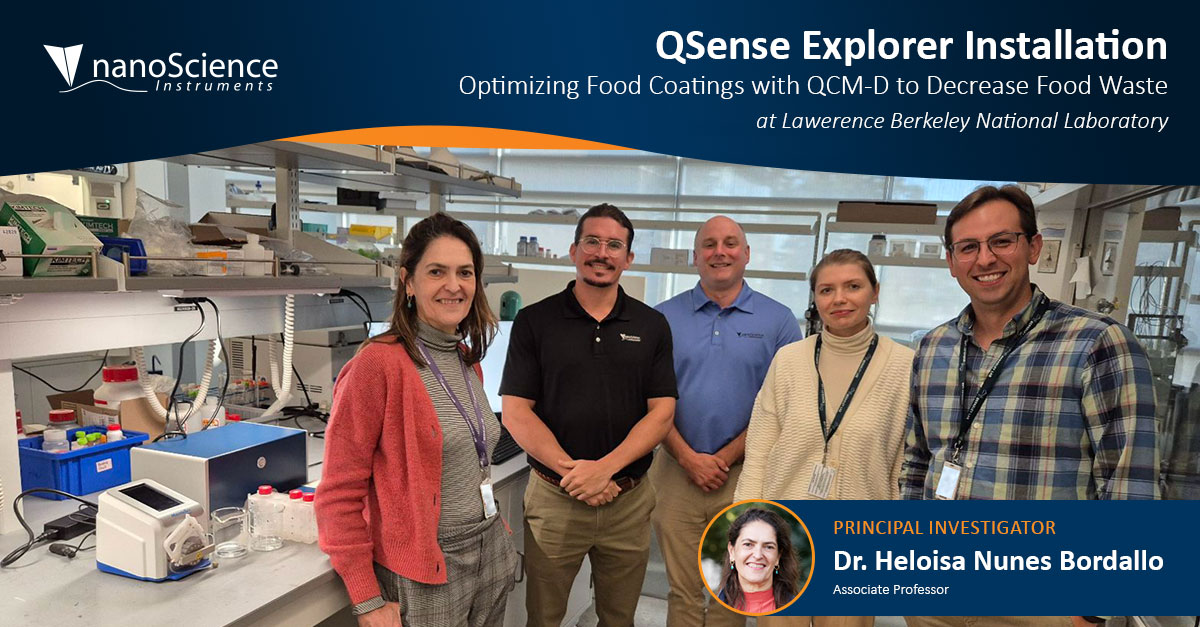
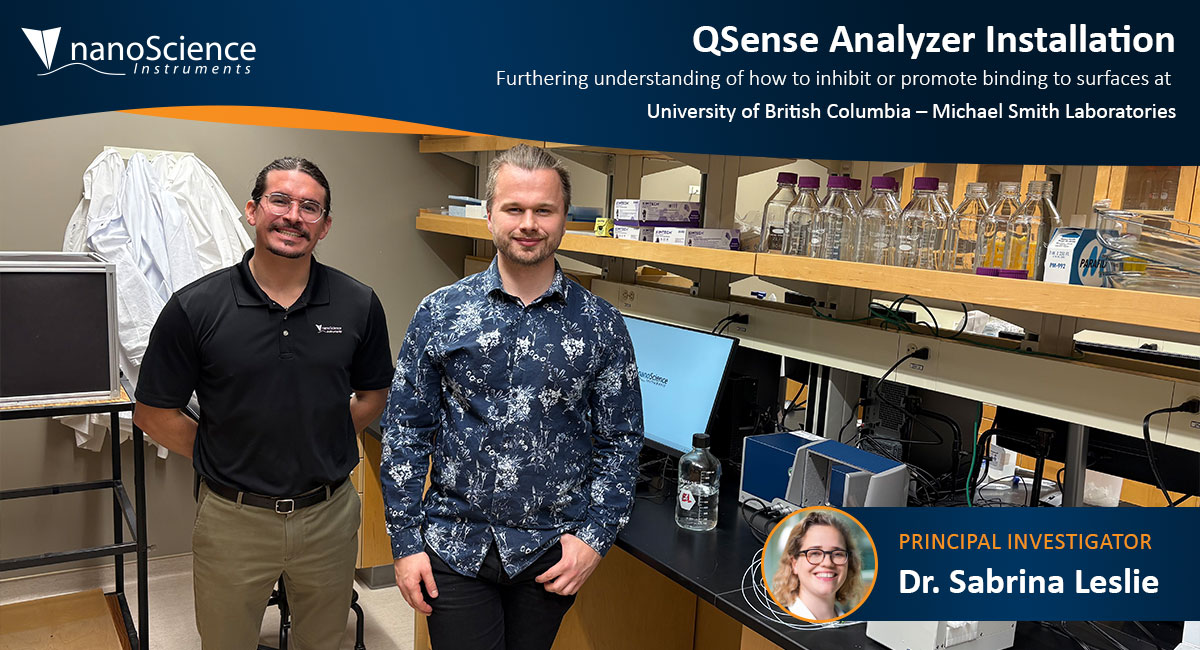
What are researchers actually measuring with QSense QCM-D? From lipid nanoparticle (LNP) based drug formulation and antimicrobial membrane research to PFAS remediation, energy materials development, and protein–surface interactions, QSense QCM-D is being used to explore a remarkably broad range of surface and interface phenomena. Meet some of the researchers and institutions using QSense to answer important questions across life science, materials science, environmental research, and beyond.
IN THE WORDS OF OUR CUSTOMERS
QSense Customer Testimonials
“What we need most from a vendor — beyond the initial setup and training — is continuous, two-way communication, and that’s exactly what we get from Nanoscience Instruments. When we’re testing a new sample or experiment we don’t know much about, they help us figure out whether it’s feasible, the best way to approach it, and what to expect from the instrument. Even though they don’t have a team near Houston, we’ve never felt that absence. Their application experts went above and beyond during our installation and training and kept helping us with data analysis remotely long after. A year in, the QSense instrument is working great, and honestly, we couldn’t have asked for more from a vendor.“

Subash Godar
Shared Equipment Authority (SEA), Rice University
Instrument Manager & Research Scientist
CUSTOMER SUCCESS STORY
From Adsorption to Action: Characterizing PFAS with QCM-D
In the KORES (Karanikola Optimized Research for Environmental Sustainability) lab led by Dr. Vicky Karanikola in the Department of Chemical & Environmental Engineering at the University of Arizona, graduate student McKenna Dunmyer and her colleagues are advancing research on per- and polyfluoroalkyl substances (PFAS) using QSense QCM-D.
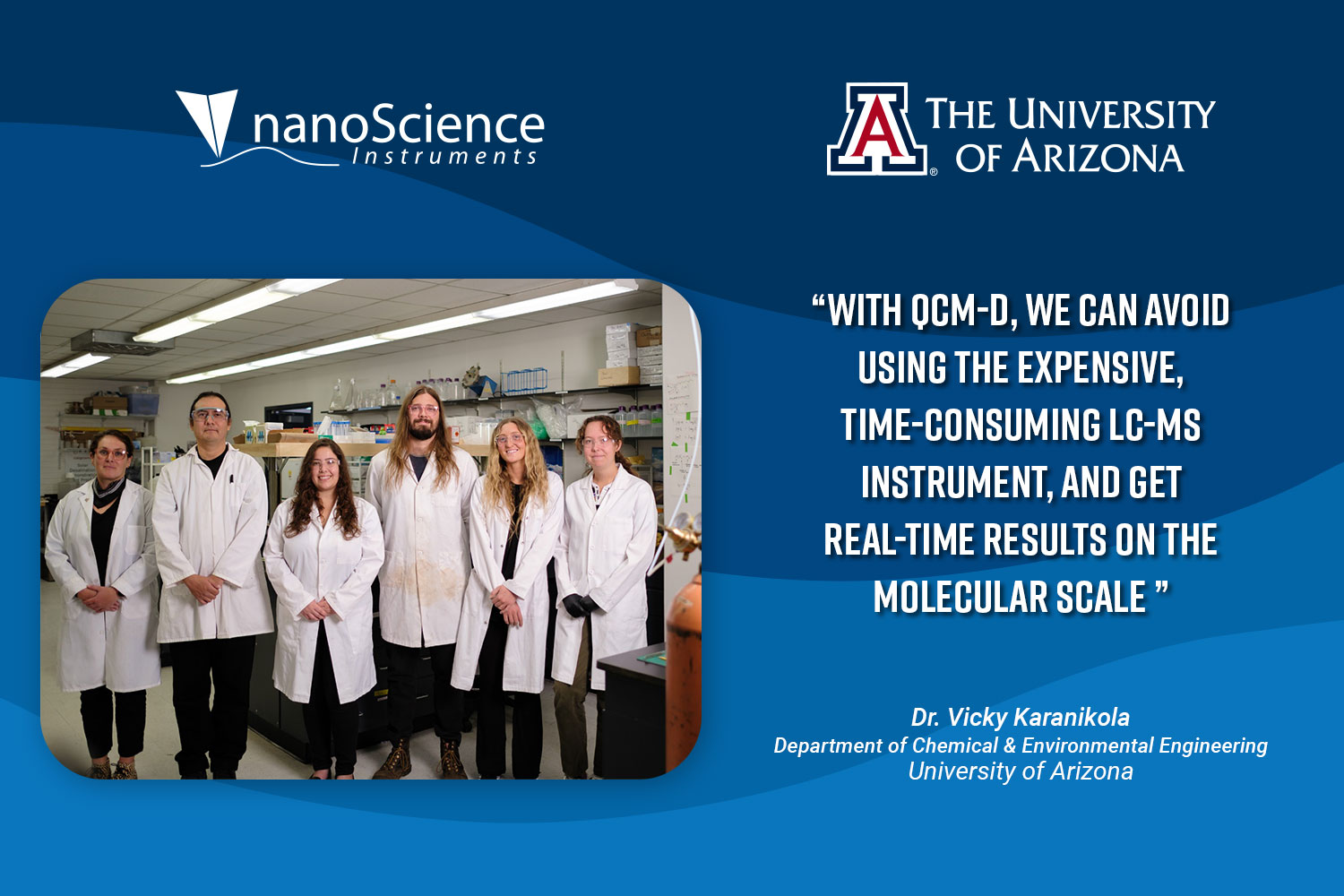
The team uses QSense sensors coated with engineered sorbent materials to observe PFAS adsorption behavior in real-time, revealing the kinetics of PFAS interactions with organosilane-functionalized surfaces and the roles of electrostatic and hydrophobic forces. Their research aims to build a foundation for better methods to remove these “forever chemicals” from water.
PEER-REVIEWED PROOF
Publications Involving QSense QCM-D
QSense QCM-D supports advanced surface science research across biotechnology, environmental science, pharmaceuticals, food science, energy, polymers, oil and gas, and material development, among many other applications. Here we present a curated set of recent papers that relied on QSense instruments for their QCM-D data; the full QSense community spans 6,000+ publications.
J. Sans, I. Azevedo Gonçalves, R. Quintana
Small 03-2024 https://doi.org/10.1002/smll.202312041
McKenna Dunmyer, Jack Welchert, Daniel A. Bellido-Aguilar, Mark Brusseau, Suchol Savagatrup, Vasiliki Karanikola
Molecular scale adsorption behavior of per- and poly-fluoroalkyl substances (PFAS) on model surfaces
Chemical Engineering Journal 10-2024 https://doi.org/10.1016/j.cej.2024.154286
Khakimzhan, A., Izri, Z., Thompson, S. et al.
Communications Biology volume 08-2024 https://doi.org/10.1038/s42003-024-06690-9
R. A. Green-Warren, N. M. McAllister, P. Pasupathy, A. A. Pelegri, J. P. Singer, N. S. Murthy
Macromol. Mater. Eng. 09-2024 https://doi.org/10.1002/mame.202400224
Gagliardi, M., Colagiorgio, L., & Cecchini, M.
Biosensors 06-2023 https://doi.org/10.3390/bios13060607
Dilek Gelen-Gungor, Hana Mohd, İpek Eroğlu, Bozena Michniak-Kohn, N. Sanjeeva Murthy
Evaluation of the interactions between human stratum corneum and liposome formulations using QCM-D
Journal of Drug Delivery Science and Technology 12-2024 https://doi.org/10.1016/j.jddst.2024.106363
Katie Sun, Ye Chan Kim, Russell J. Composto, Karen I. Winey
Gold Nanoparticle Adsorption in Covalently Bonded Weak Polyelectrolyte Brushes
Macromolecules 02-2025 https://doi.org/10.1021/acs.macromol.4c02332
C. Zheng, Y. Shmidov, A. K. Varanko, et al.
Nonfouling Coatings from Synthetic Intrinsically Disordered Proteins
Small 08-2025 https://doi.org/10.1002/smll.202504365
Murthy NS, Tavasoli E, Mammone T, Karaman-Jurukovska N.
Self-assembly of short biopeptides onto skin tissue components studied using QCM-D
Int J Cosmet Sci. 02-2025 https://doi.org/10.1111/ics.13044
Kerivan, E.M., Amari, V.N., Weeks, W.B. et al.
Deciphering Mechanochemical Influences of Emergent Actomyosin Crosstalk Using QCM-D
Cel. Mol. Bioeng 02-2025 https://doi.org/10.1007/s12195-024-00835-w
Ready to see what QSense can do for your research?
Join 1000+ labs worldwide using QSense QCM-D to understand surface and interface interactions in real time.
request a demo
Additional QSense Resources
Product Knowledgebase
Webinar
Predicting Solution Behavior: Insights into the Developability of Biologics
Monoclonal antibodies (mAbs) are widely used in the pharmaceutical and biotechnology indus…
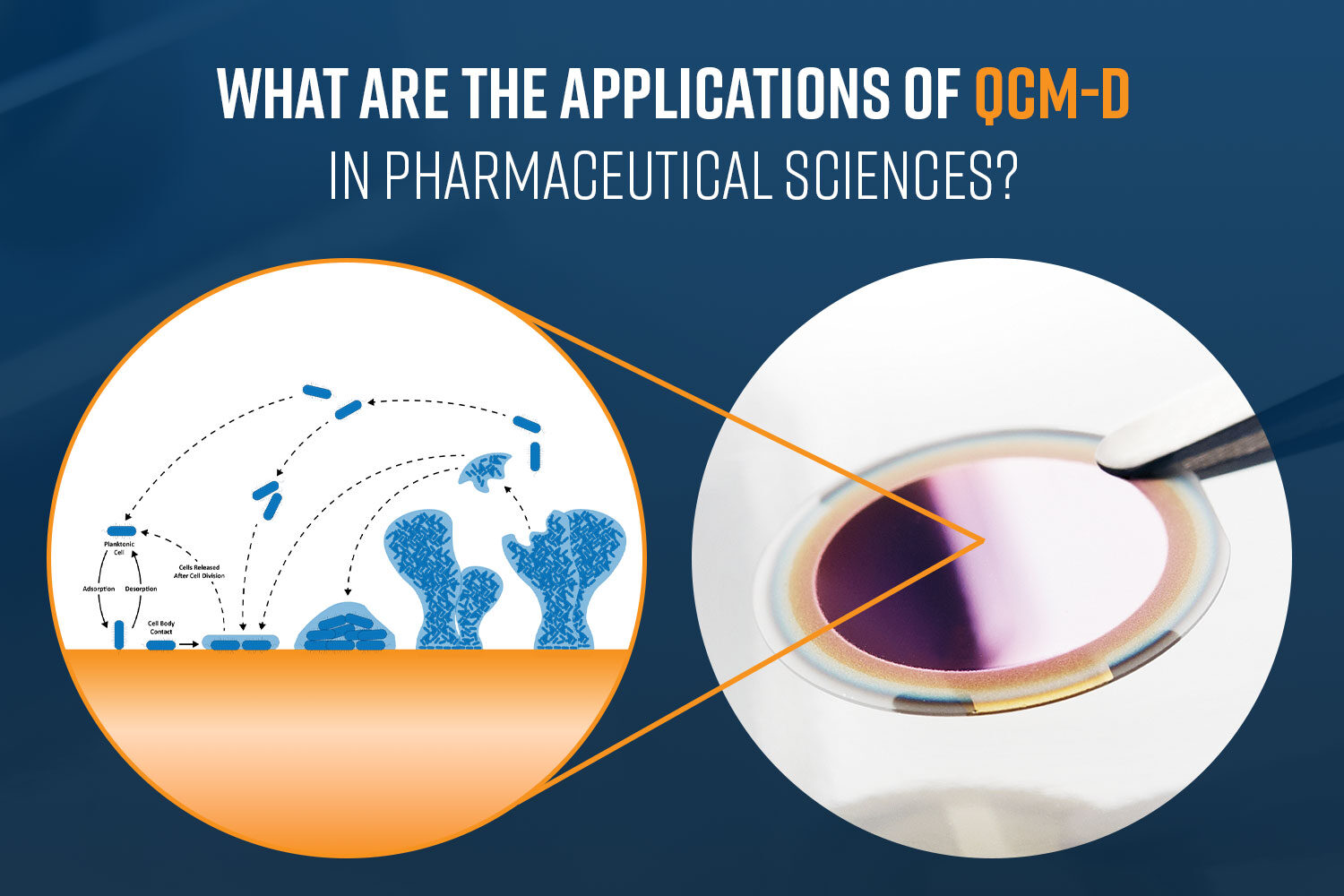
What are the Applications of QCM-D in Pharmaceutical Sciences?
Quartz Crystal Microbalance with Dissipation Monitoring (QCM-D) is a powerful analytical t…
White Paper
Optimizing Chemical Mechanical Planarization (CMP) Processes with QCM-D
Chemical mechanical planarization (CMP), also called chemical-mechanical polishing, is a c…