
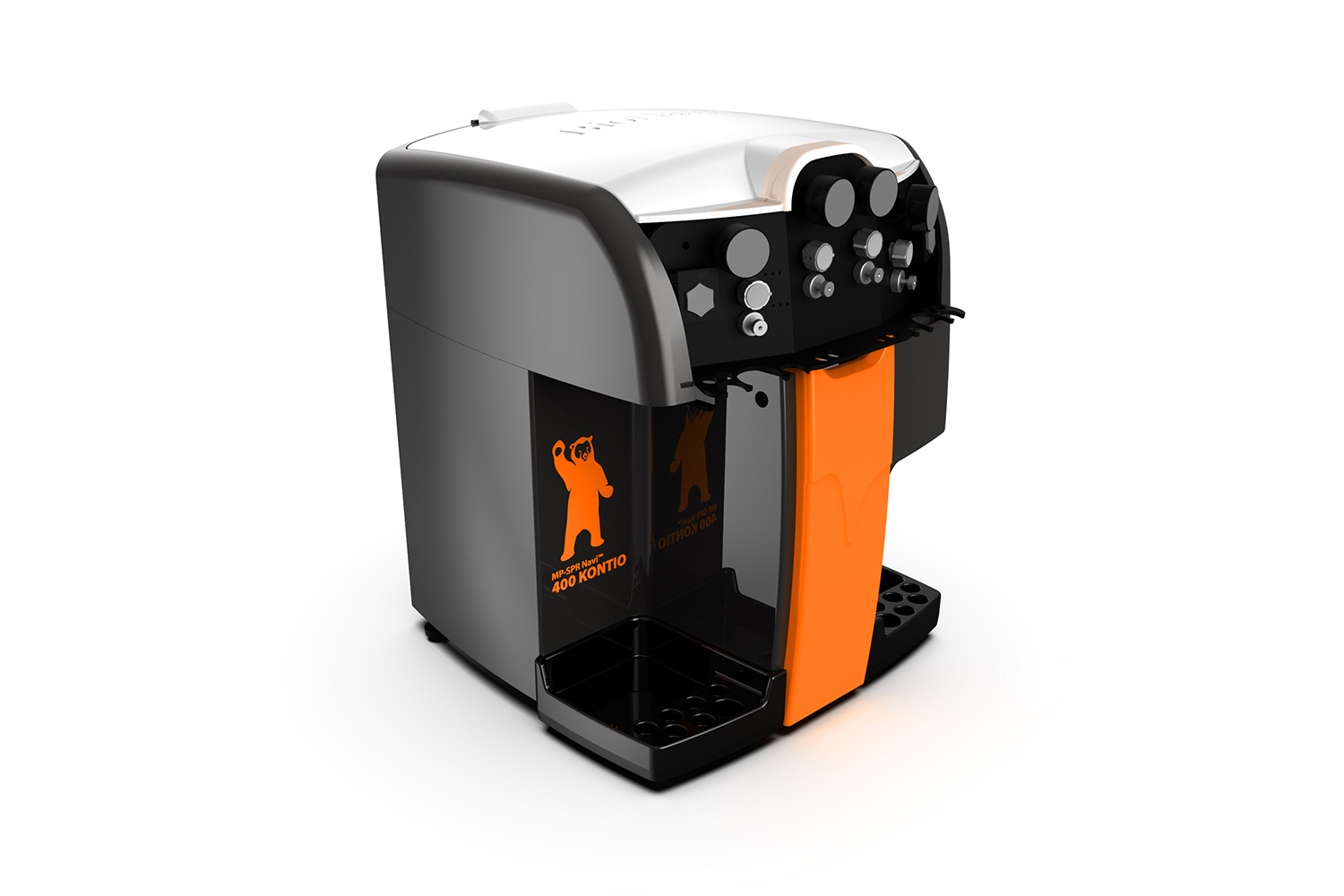

BioNavis MP-SPR
MP-SPR Navi 400 KONTIO
4 channel system for cell based assays
The MP-SPR Navi™ 400 KONTIO is a four-channel Multi-Parametric Surface Plasmon Resonance (MP-SPR) system designed for real-time, label-free analysis of cell adhesion and cell-based interactions under physiologically relevant conditions. Engineered for advanced cell biology and biomaterials research, the system enables simultaneous monitoring of multiple experiments while preserving a controlled environment for live-cell studies. Equipped with two laser wavelengths, the Navi™ 400 KONTIO delivers accurate characterization of cell attachment, spreading, and surface interactions, providing valuable insights into cellular behavior, biomaterial performance, and drug discovery applications.
4 Channels, 2 Wavelengths
Simultaneously measure in 4 channels on one sensor. Use up to 2 different wavelengths in each channel
Physiologically Relevant
Precise control of temperature, flow rate, and shear stress. Measure in cell culture media and serum for live cell assays.
Cell-Surface Interactions
Real-time characterization of cellular response such as attachment, spreading and morphology.
Talk to an Instrumentation Specialist Today!
4 channel system for cell based assays
The MP-SPR Navi™ 400 KONTIO is a semi-automated Multi-Parametric Surface Plasmon Resonance (MP-SPR) system specifically engineered for live cell analysis, cell adhesion studies, and cell-based interaction measurements under physiologically relevant conditions. Unlike conventional SPR systems, the MP-SPR Navi™ 400 KONTIO captures the complete SPR curve, providing comprehensive information for characterizing cell attachment, spreading, morphology, and cell-surface interactions in real-time.
The system features four independent fluidic channels, enabling the simultaneous analysis of four experiments on a single sensor surface for increased throughput and experimental consistency. An elastomer-coated prism simplifies sensor handling and allows cells to be cultured ex situ before analysis, with the same sensor subsequently characterized using complementary techniques such as atomic force microscopy (AFM) and optical microscopy.
Designed for advanced cell research, the MP-SPR Navi™ 400 KONTIO provides precise control of temperature, flow rate, shear stress, and culture medium composition, allowing researchers to closely replicate physiological conditions. Its exceptionally wide 40°–78° angular measurement range enables reliable measurements in cell culture media as well as other complex biological samples, including serum and saliva, making it an ideal platform for applications in drug discovery, tissue engineering, biomaterials, immunology, and cancer research.
Application Areas:
MP-SPR Navi 400 KONTIO
Product Features
Angular scanning mode
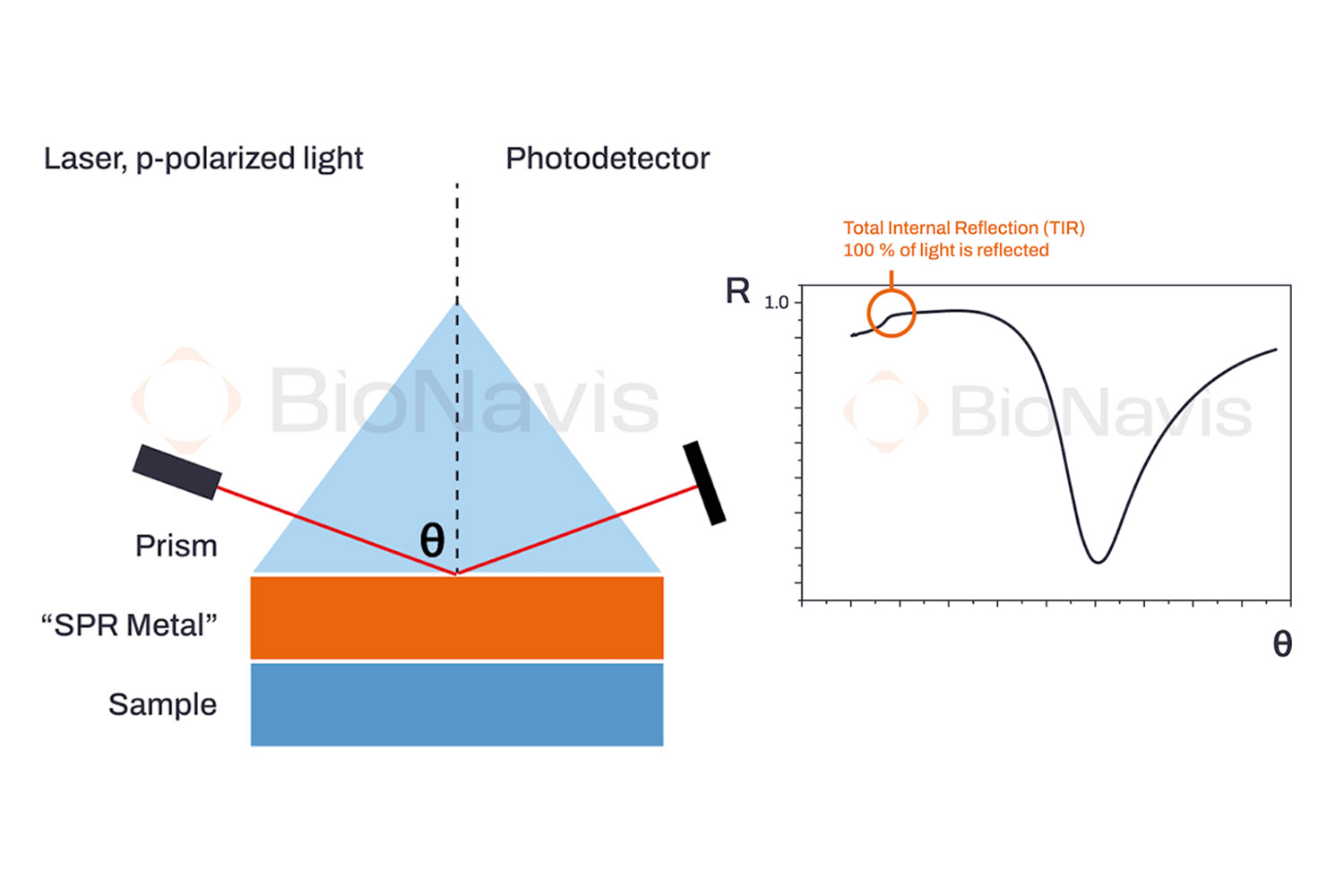
The MP-SPR Navi™ 400 KONTIO employs a true goniometric Surface Plasmon Resonance (SPR) configuration with a rotating detector to perform angular scanning, known as MP-SPR mode. Instead of measuring at a single angle, the system scans across a wide angular range of 40° to 78°, capturing the complete SPR curve with an exceptional angular resolution of 0.001°. This comprehensive measurement provides access to multiple analytical parameters beyond those available with conventional SPR systems, enabling more detailed characterization of molecular interactions and thin films. Typical sampling rates are less than two seconds, depending on the selected angular range and resolution, allowing rapid, real-time monitoring of dynamic surface processes.
Laser Wavelengths
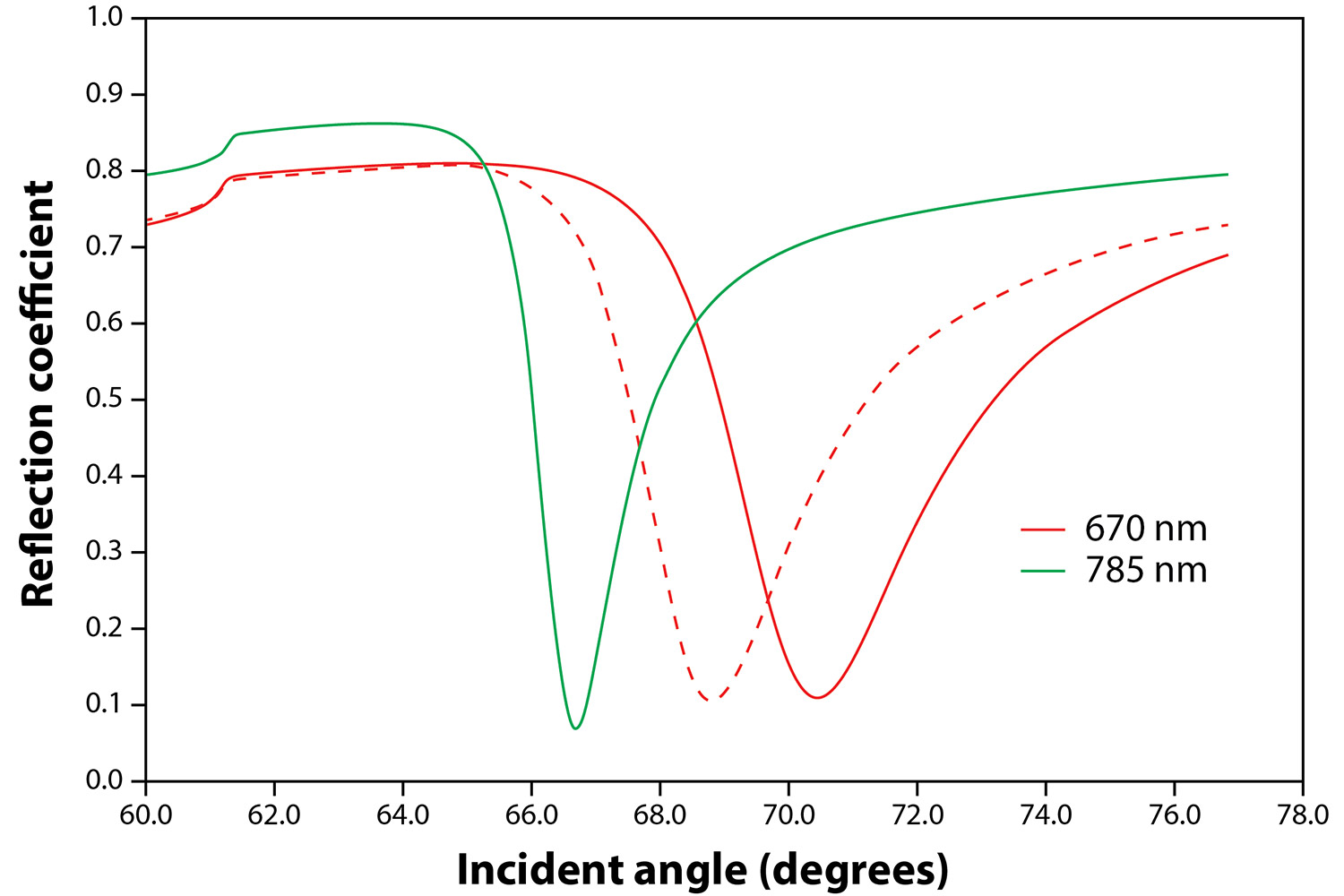
The MP-SPR Navi™ 400 KONTIO is equipped with a 670 nm laser and 785 nm laser as standard, enabling high-sensitivity measurements across both flow channels. The additional laser wavelengths provide multi-wavelength MP-SPR measurements that enable the detection of molecular conformational changes and the characterization of thin film properties, including layer thickness, refractive index, and structural evolution, extending the system beyond traditional interaction analysis. This feature is critical in applications involving layer characterization, live cell studies, and extracellular vesicle size and concentration analysis.
Liquid handling
The MP-SPR Navi™ 400 KONTIO features four independent flow channels, and a manual sample injector for flexible, low-volume sample introduction. As laboratory throughput requirements increase, the system can be easily upgraded with a dedicated autosampler for automated operation and improved reproducibility.
Buffer flow is precisely controlled by an integrated 4-channel peristaltic pump, providing stable flow rates from 10 µL/min to 400 µL/min to accommodate a wide range of experimental conditions. Typical sample volumes range from 200 to 500 µL, with the flexibility to accommodate larger or smaller volumes by selecting different sample loop sizes, helping to optimize sample consumption for diverse applications.
Flow cells
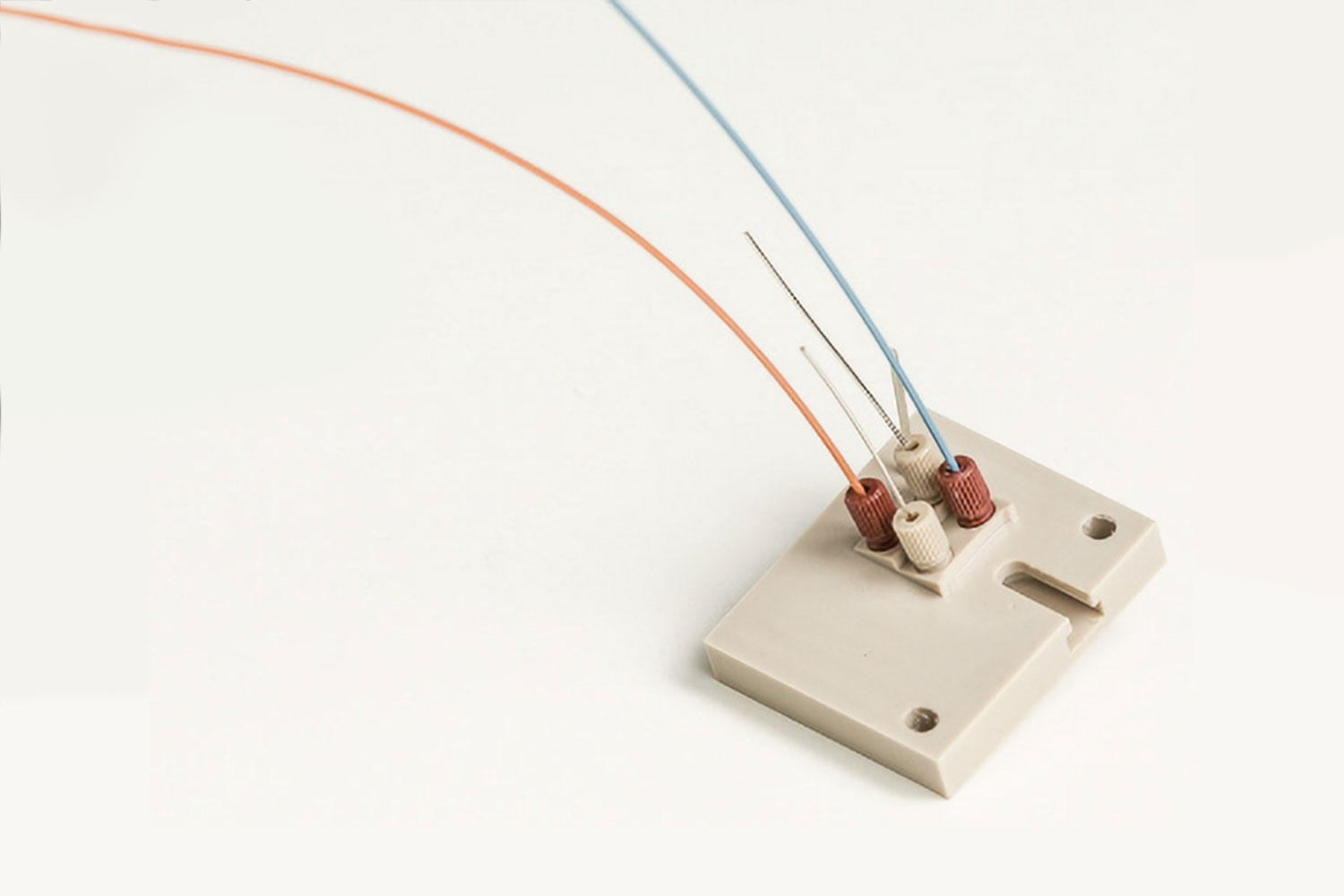
The MP-SPR Navi™ 400 KONTIO is equipped with a standard four-channel PDMS flow cell with a low internal volume of 1 µL/channel, minimizing sample consumption while enabling rapid exchange of solutions. To support a wide range of research applications, the system is compatible with several optional flow cells, including electrochemical and cell culture flow cells. Custom flow cell designs are also available to meet specialized experimental requirements.
MP-SPR Navi 400 KONTIO
Sensors & Substrates
MP-SPR Sensors
The MP-SPR Navi™ 400 KONTIO supports a broad selection of sensor surfaces to accommodate diverse application requirements. Available sensor coatings include metals such as gold (Au), silver (Ag), copper (Cu), and platinum (Pt); inorganic materials including silicon dioxide (SiO₂), aluminum oxide (Al₂O₃), and titanium dioxide (TiO₂); as well as functionalized surfaces such as carboxymethyl dextran (CMD) and Ni²⁺-modified sensors for biomolecular interaction studies.
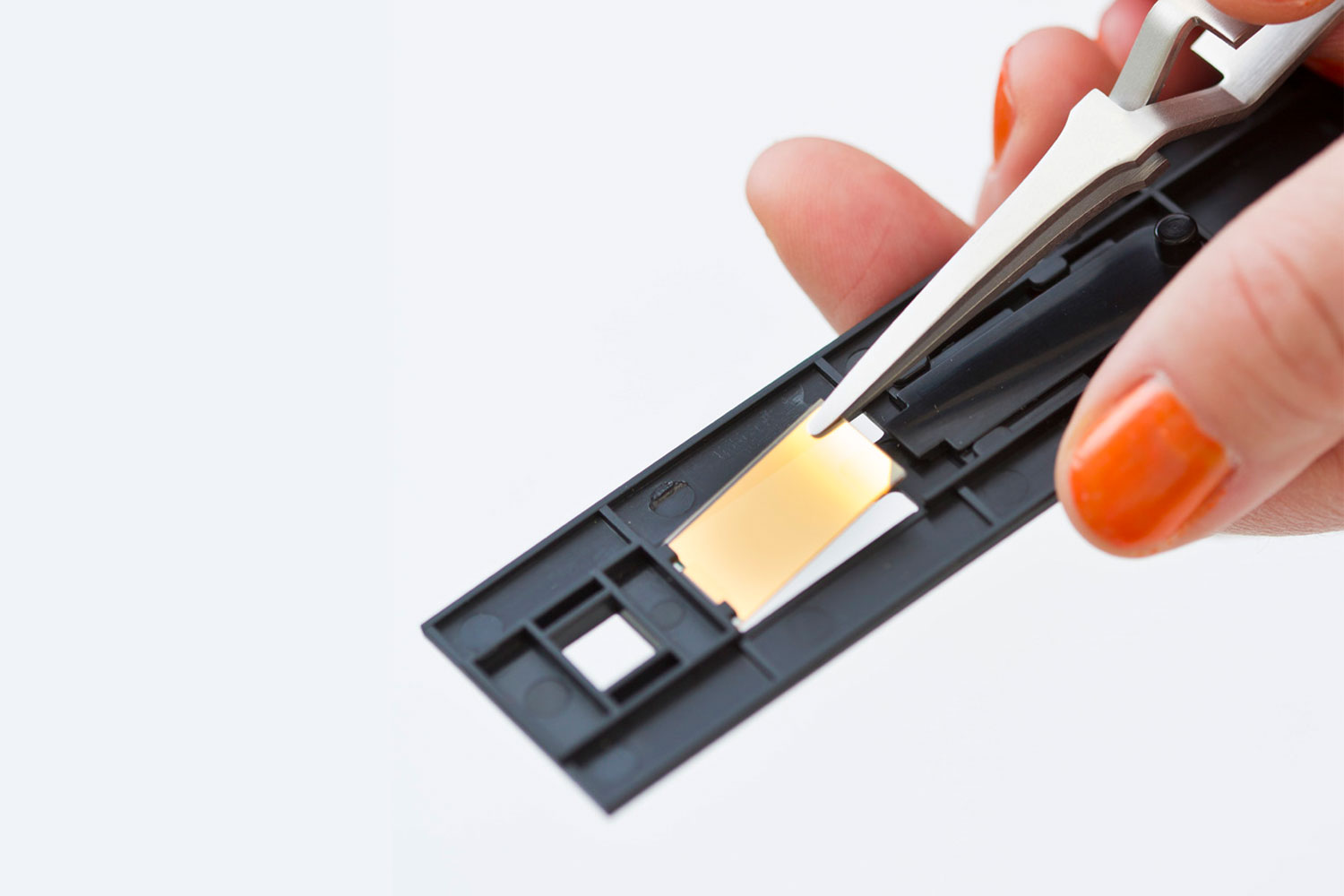
The system’s sensor holder also supports ex situ surface preparation, allowing researchers to deposit custom thin films or coatings using techniques such as spin coating before measurement. This flexibility enables the characterization of user-defined materials and expands the range of applications in surface science, biomaterials, coatings, and nanomaterials research.
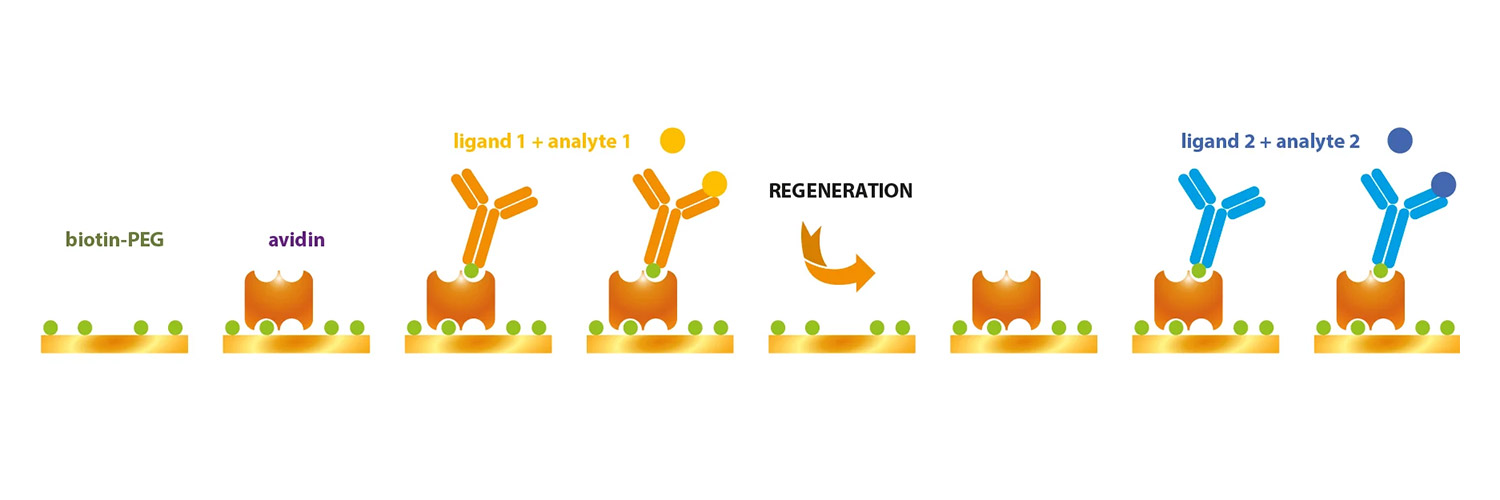
Unique Regenerable Avidin – Kit
Revolutionizing regenerable avidin kit allows reversible binding of biotinylated ligands and thus same sensor slide can be used to measure interaction of multiple ligand molecules.
MP-SPR Navi 400 KONTIO
Applications
Live Cells
Multi-Parametric Surface Plasmon Resonance (MP-SPR) enables analysis of live cell interactions, providing biologically relevant information while preserving the complexity of living cell models. This capability makes MP-SPR a powerful tool for applications in drug discovery, regenerative medicine, biosensor development, cancer research, immunology, and point-of-care diagnostics. By monitoring cellular responses as they occur, MP-SPR allows researchers to investigate nanoparticle uptake kinetics, drug absorption pathways, receptor activation (including GPCR signaling), and cell activation profiles. The technique can also be used to determine half-maximal effective concentration (EC₅₀), evaluate drug efficacy, and study the mechanisms by which nanoparticles, viruses, and other therapeutic agents enter cells under physiologically relevant conditions. MP-SPR is equally valuable for characterizing cell-surface interactions. By using functionalized sensor surfaces, researchers can quantify cell adhesion kinetics, receptor-mediated binding affinity, and binding specificity of different cell populations. These measurements support the development and optimization of biomaterials, tissue engineering scaffolds, medical device coatings, and antifouling or antimicrobial surfaces, providing critical insights into cellular responses at the material interface.
Molecular Interactions
Multi-Parametric Surface Plasmon Resonance (MP-SPR) is a highly sensitive, label-free technology for studying molecular interactions across a broad range of analytes, including proteins, peptides, nucleic acids, small-molecule drugs, viruses, nanoparticles, living cells, and bacteria. The technique provides accurate, real-time measurements of binding affinity, kinetic rate constants, and bound mass for interactions such as antibody-antigen, receptor-ligand, and drug-target binding. Unlike conventional SPR, MP-SPR can directly analyze interactions in complex biological matrices, including 100% serum, plasma, saliva, and other physiologically relevant fluids. Its unique PureKinetics™ technology uses complete SPR curve measurements to continuously correct for changes in the bulk refractive index (bulk effect) within each measurement channel. This real-time correction eliminates the need for a dedicated reference channel for bulk compensation, improving the accuracy of kinetic measurements in crude samples. MP-SPR also enables the characterization of membrane-associated interactions by accurately measuring binding events involving liposomes, membrane extracts, and living cells. This capability allows researchers to investigate biomolecular interactions under conditions that closely mimic their native biological environment.