


BioNavis Navi MP-SPR
MP-SPR sensor slides
High-quality MP-SPR sensor slides are compatible with all MP-SPR Navi™ instruments, providing a reliable platform for precise and reproducible surface and interaction measurements. The accessible sensor slide holder enables convenient ex situ surface modification and functionalization using a wide range of deposition techniques, including spin coating, Langmuir-Blodgett (LB) deposition, self-assembly, Chemical Vapor Deposition (CVD), and Atomic Layer Deposition (ALD).
Talk to an Instrumentation Specialist Today!
BioNavis Navi MP-SPR
Oxide inorganic MP-SPR sensor slides feature a functional inorganic coating deposited over the plasmonic layer, typically gold. These sensor surfaces enable researchers to investigate adsorption, molecular interactions, coating behavior, and surface processes directly on application-relevant inorganic materials. Sensors can be used with the supplied surface or further modified ex situ with additional coatings, functional layers, or biomolecules to create customized interfaces for specific research applications.
MP-SPR Sensors
A broad selection of sensor surfaces and coatings is available to accommodate diverse research requirements, from biomolecular interaction analysis and biosensor development to thin film, coating, and advanced materials characterization.
Metal-Coated MP-SPR Sensor Slides
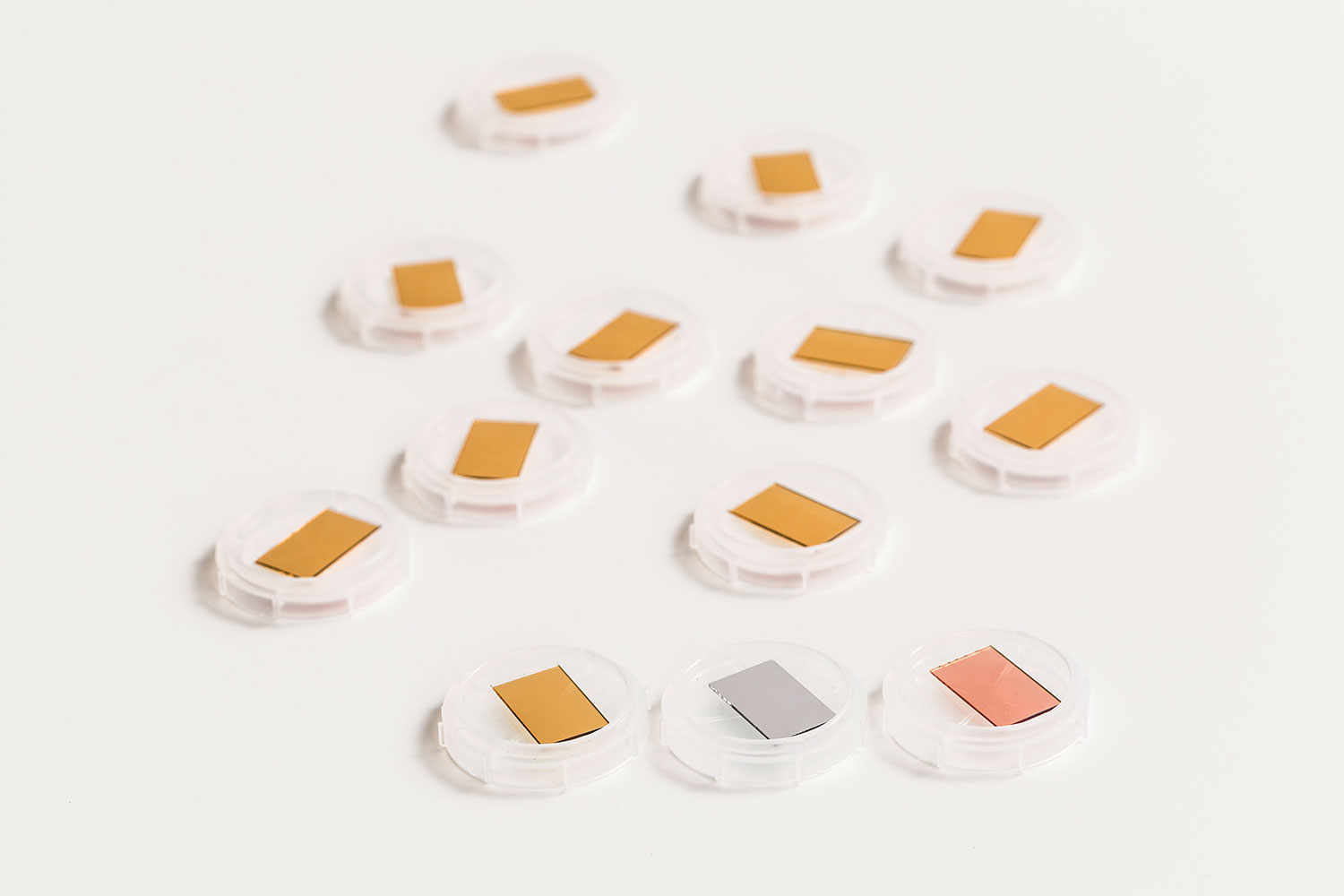
Metal-coated MP-SPR sensor slides consist of a glass substrate coated with a thin metal layer and provide versatile surfaces for studying molecular interactions, thin films, coatings, electrochemical processes, and other surface phenomena. A broad selection of metal coatings allows researchers to choose a sensor surface that closely represents the material or interface relevant to their application.
Metal-coated sensor slides are available for specialized surface science and materials research applications:
- Gold (Au)
- Gold (Au) with Titanium (Ti) Adhesion: Electrochemistry
- Aluminum (Al): Electrochemistry and energy research
- Silver (Ag): Antimicrobial coatings and electrochemistry
- Platinum (Pt): Electrochemistry, electrocatalysis, and energy research
- Copper (Cu): Antifouling and antimicrobial coatings, electronics, and graphene research
- Nickel (Ni): Corrosion studies and medical device research
- Chromium (Cr): Coatings and electronic materials
- Rhodium (Rh): Electronics and optical materials
Gold (Au) Sensor Slides
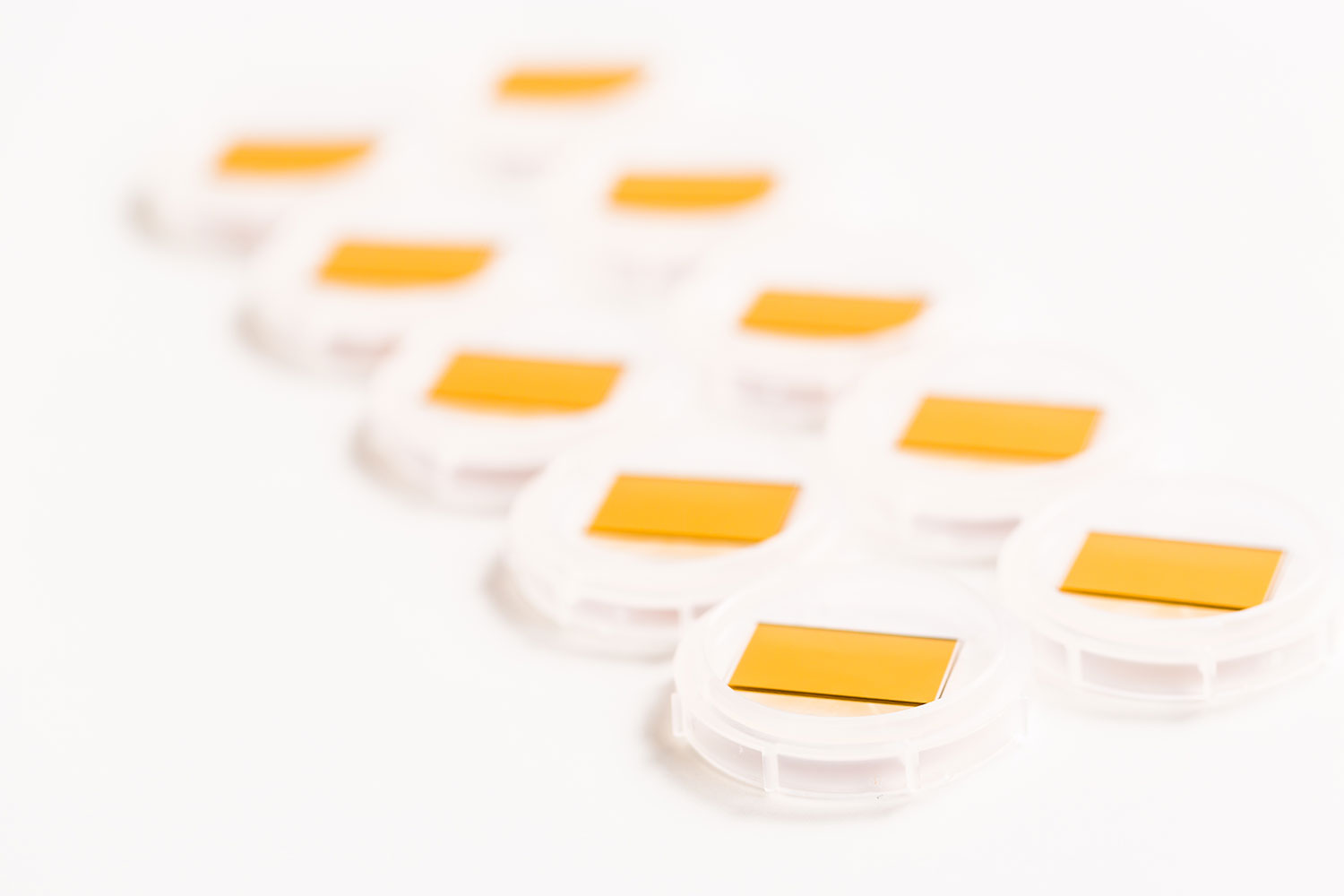
Gold-coated sensor slides are the most widely used metal sensors for MP-SPR and provide a highly stable and versatile surface for biosensor development, biomolecular interaction analysis, thin film characterization, and cell studies. Gold also supports a wide range of surface functionalization strategies, making it particularly suitable for developing application-specific sensing interfaces. Depending on the surface modification and experimental conditions, gold sensors can be cleaned using an ammonium hydroxide/hydrogen peroxide solution or UV-ozone treatment and reused for multiple experiments.
Uncoated Glass Sensor Slides
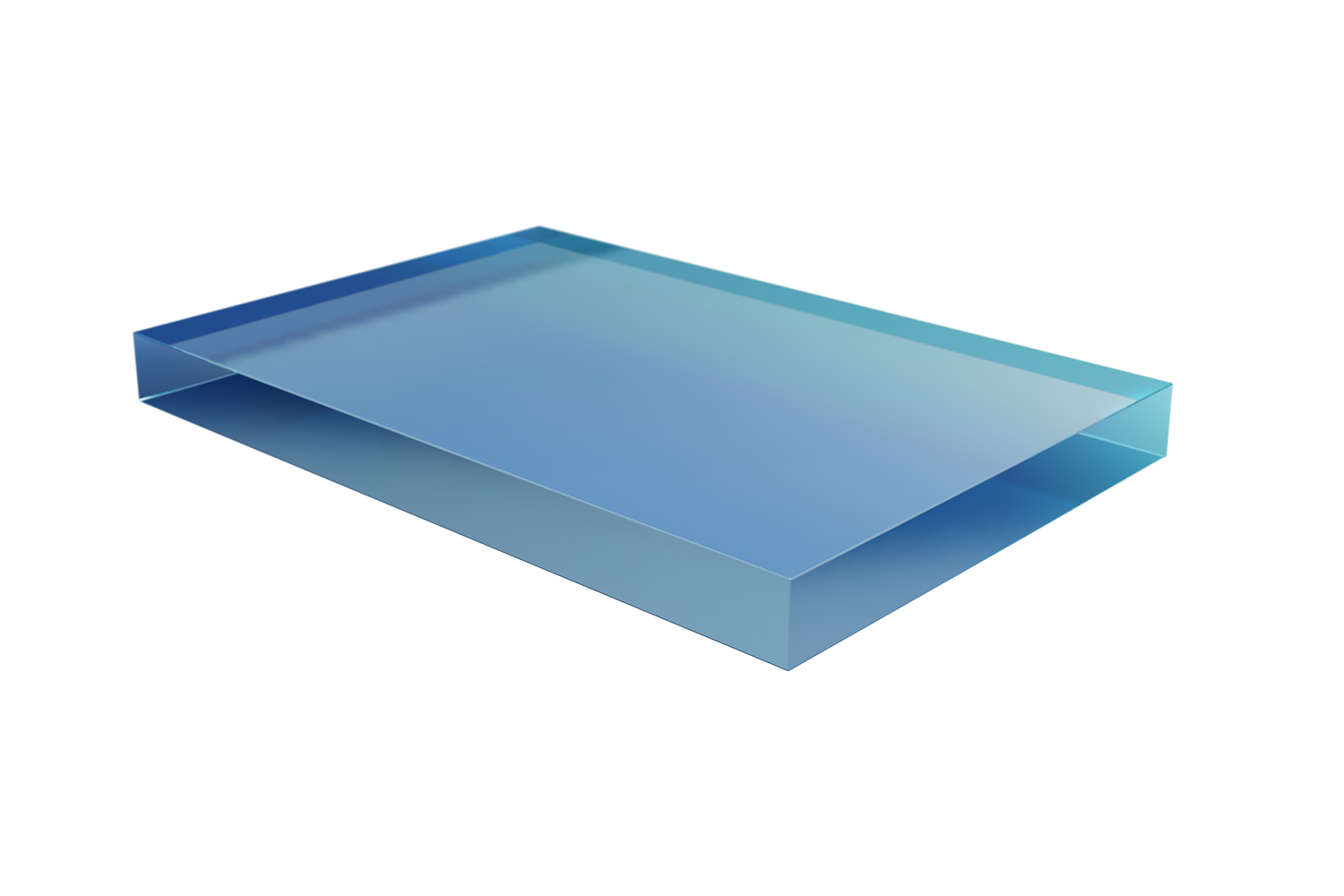
Uncoated glass sensor slides are available for deposition and characterization of thin metal (plasmonic) coatings.
Oxide Inorganic MP-SPR Sensor Slides
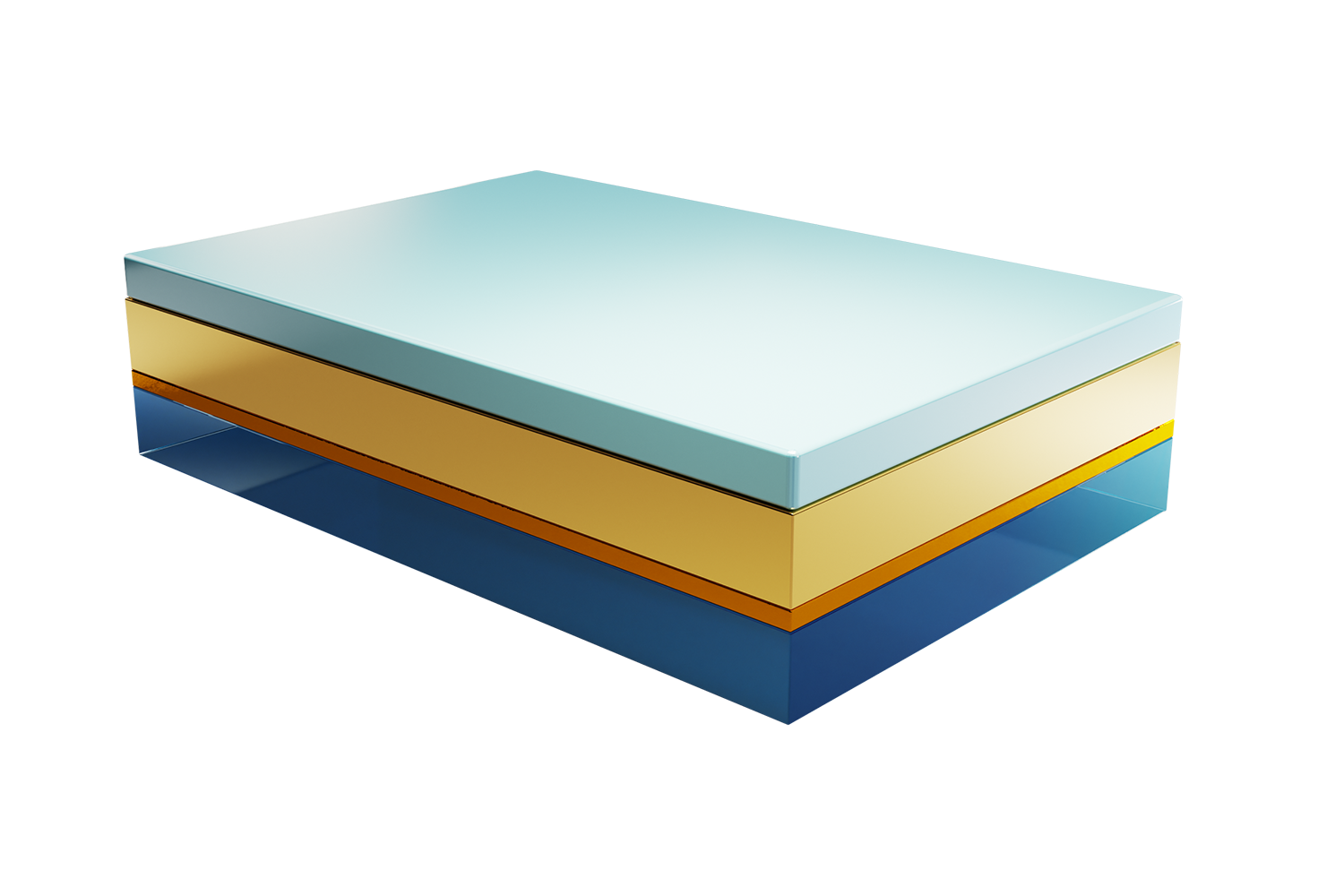
Oxide inorganic MP-SPR sensor slides feature a functional inorganic coating deposited over the plasmonic layer, typically gold. These sensor surfaces enable researchers to investigate adsorption, molecular interactions, coating behavior, and surface processes directly on application-relevant inorganic materials. Sensors can be used with the supplied surface or further modified ex situ with additional coatings, functional layers, or biomolecules to create customized interfaces for specific research applications.
Silicon Dioxide (SiO₂) Sensor Slides
Silicon dioxide sensor slides consist of a SiO₂ layer deposited on gold, providing a glass-like surface chemistry that is well suited for a broad range of surface science and biointerface studies. SiO₂ sensors are particularly useful for investigating coatings, antifouling surfaces, nanocellulose interactions, and biomolecular assays. The hydrophilic oxide surface also facilitates the formation of supported lipid bilayers, making these sensors valuable for studying membrane interactions, lipid-protein interactions, and membrane-associated processes.
Titanium Dioxide (TiO₂) Sensor Slides
Titanium dioxide-coated sensors provide a representative oxide surface for studying interactions relevant to medical implants, biomaterials, and biointerfaces. TiO₂ is widely used in biomedical materials, making these sensor slides useful for evaluating protein adsorption, biomaterial interactions, surface functionalization, and coating performance under controlled conditions.
Aluminum Oxide (Al₂O₃) Sensor Slides
Aluminum oxide-coated sensors enable real-time characterization of interactions occurring at Al₂O₃ interfaces. These surfaces are well suited for materials science, coating research, adsorption studies, and environmental applications.
Indium Tin Oxide (ITO) Sensor Slides
ITO-coated sensors provide an electrically conductive oxide surface for applications involving solar cells, semiconductor materials, optoelectronics, and functional coatings. MP-SPR measurements on ITO surfaces can be used to investigate adsorption, interfacial layer formation, and surface modification processes relevant to electronic and energy-related materials.
Hafnium Oxide (HfO₂) Sensor Slides
Hafnium oxide-coated sensors provide a specialized surface for studying semiconductor materials, dielectric coatings, and advanced thin-film interfaces. These sensors enable researchers to characterize adsorption and interfacial processes directly on HfO₂-based surfaces, supporting the development and optimization of advanced electronic materials.
The availability of multiple oxide and inorganic sensor surfaces extends MP-SPR measurements beyond traditional gold-based bioassays. By selecting a sensor surface that closely represents the material used in the final application, researchers can perform real-time, label-free analysis of adsorption, coating formation, biomolecular interactions, and other interfacial processes under relevant experimental conditions.
Functionalized MP-SPR Sensor Slides
Functionalized MP-SPR sensor slides provide ready-to-use or application-specific surfaces for immobilizing biomolecules and studying molecular interactions in real time. By selecting an appropriate surface chemistry, researchers can optimize ligand immobilization, minimize non-specific binding, and develop reproducible assays for proteins, antibodies, nucleic acids, and other biomolecular systems.
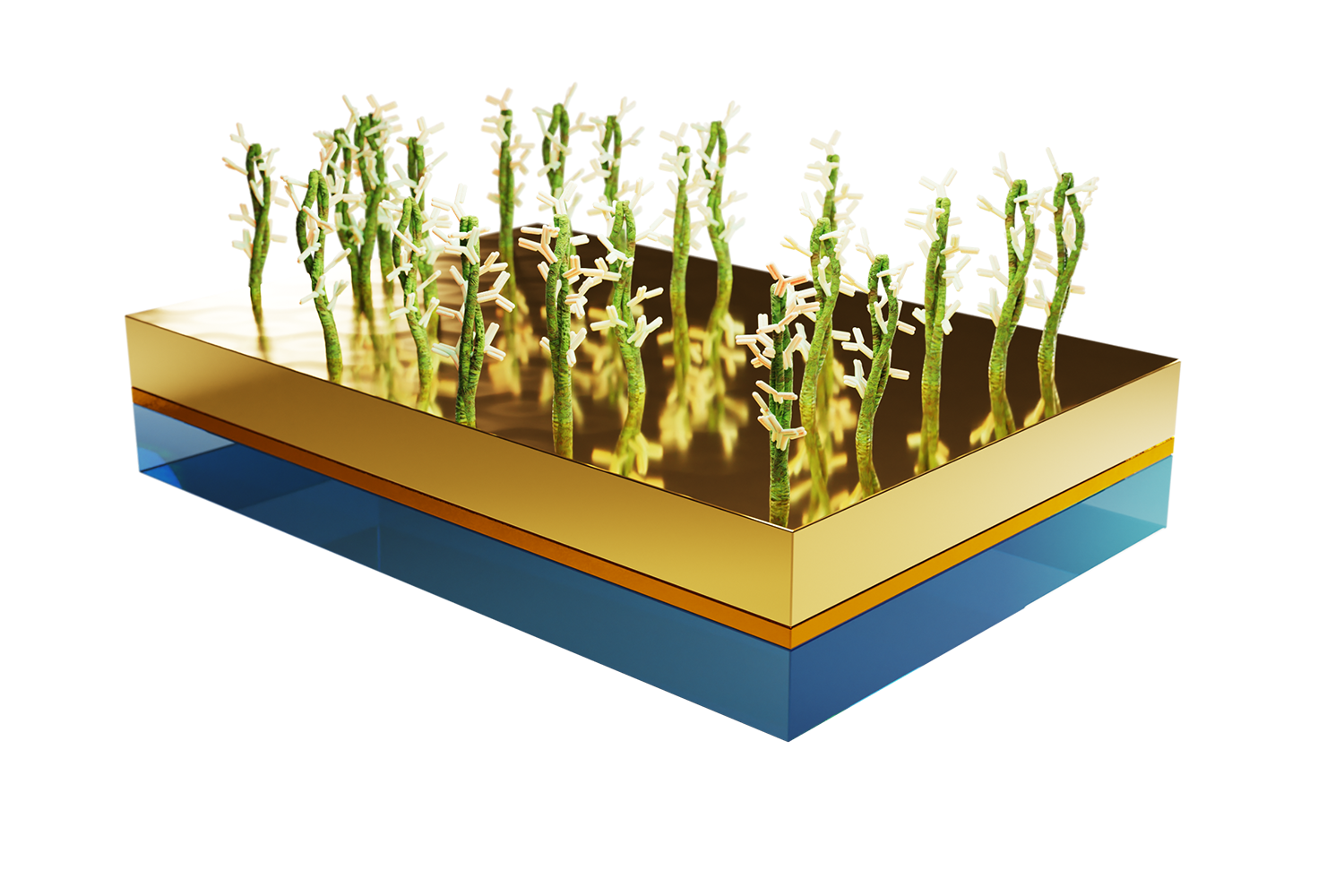
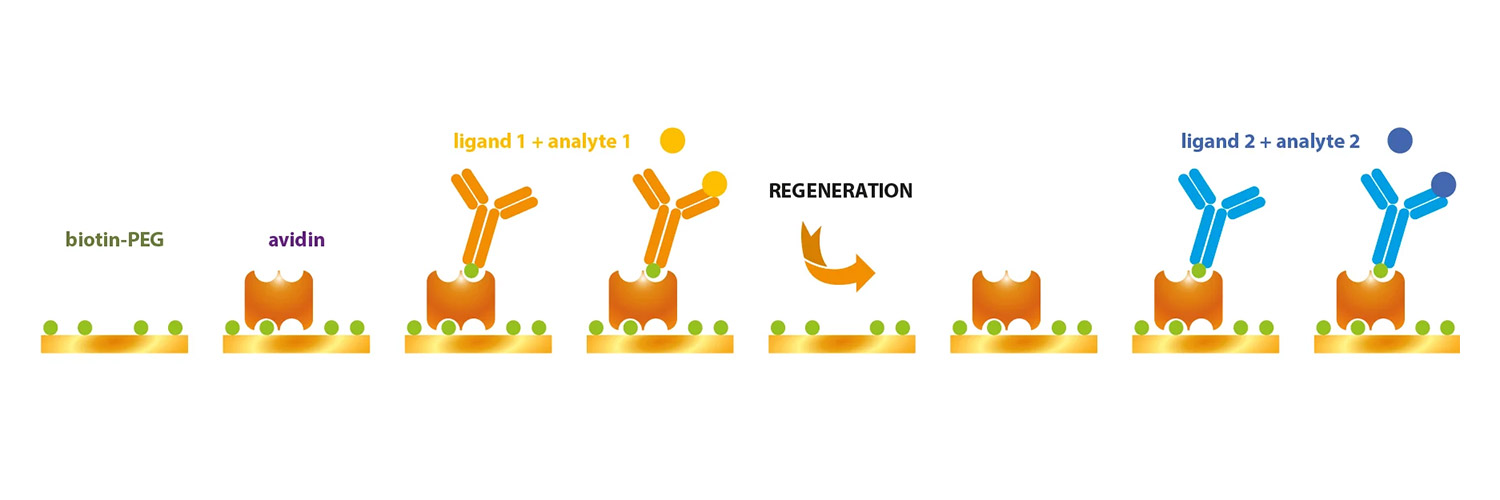
Unique Regenerable Avidin – Kit
Revolutionizing regenerable avidin kit allows reversible binding of biotinylated ligands and thus same sensor slide can be used to measure interaction of multiple ligand molecules.
Biotinylation enables control of ligand orientation on the surface for interaction measurement. Surface is planar with moderate binding capacity. Avidin and thus biotinylated ligand can be removed from the surface using regeneration solution included in the kit. This means that the same sensor slide can be used not only for several analyte molecules but also for several ligand molecules. Kit contains reagents enough for 80 complete cycles of regeneration. Possibility to regenerate the surface allows longer unattended runs and reduces consumable costs.
Contents of the kit:
- 2 sensor slides
- regenerable avidin
- regeneration solutions for mild and complete regeneration (Reg. 1 and 2)
3D Carboxymethyl Dextran (CMD-3D) Sensor Slides
CMD-3D sensor slides are coated with dextran hydrogel layer and provide a hydrophilic, three-dimensional dextran matrix containing carboxyl groups for covalent immobilization of biomolecules. The surface supports high ligand-loading capacity and is commonly used for protein-protein interactions, antibody-antigen binding, affinity measurements, and kinetic analysis.
Planar Carboxymethyl Dextran (CMD-2D) Sensor Slides
Planar Carboxymethyl Dextran (CMD) Sensor Slides feature a thin carboxymethyl dextran coating of less than 5 nm, enabling ligand immobilization in a single, well-defined layer. Compared with 3D CMD sensors, the planar CMD surface has a significantly lower binding capacity, making it particularly suitable for studying high-molecular-weight analytes, such as antibodies and nanoparticles.
BioNavis Dextran like sensors (BND)
The BND sensor allows higher ligand binding capacity and lower non-specific binding compared to planar carboxymethyl dextran sensors. The BND sensors allow similar chemistry and protocols to be used as CMD sensors.
NID Sensor Slides
NID sensors are Ni chelator modified carboxymethyl dextran surfaces. Ni²⁺-functionalized sensor slides are designed for the capture and immobilization of histidine-tagged (His-tagged) proteins through metal-ion affinity interactions. This approach provides convenient and oriented protein capture and is particularly useful for protein interaction studies, assay development, and kinetic characterization. Binding is reversible and hence tens to hundred regenerations can be carried out.
Biotin-Functionalized Sensor Slides
Biotin-functionalized MP-SPR sensor slides provide a convenient surface for studying biotin-based molecular interactions and developing affinity assays. The sensors are available with either a 2D PEG-based monolayer or a medium-density 3D carboxymethyl dextran (CMD) hydrogel, providing flexibility in surface architecture and binding capacity for different experimental requirements.
Streptavidin-Functionalized Sensor Slides
Streptavidin-functionalized MP-SPR sensor slides provide a ready-to-use surface for the capture and immobilization of biotinylated molecules. Streptavidin is covalently immobilized onto a CMD-2D sensor surface, providing a convenient platform for controlled immobilization and real-time interaction analysis. CMD-3D streptavidin-functionalized sensors are also available upon request for applications requiring increased binding capacity.
Polymer-Coated MP-SPR Sensor Slides
Polymer-coated MP-SPR sensor slides enable direct investigation of polymer interfaces, coatings, and soft materials under controlled environmental conditions. MP-SPR can monitor changes in polymer layers in real time, providing insight into adsorption, swelling, degradation, molecular interactions, and structural changes at the surface.
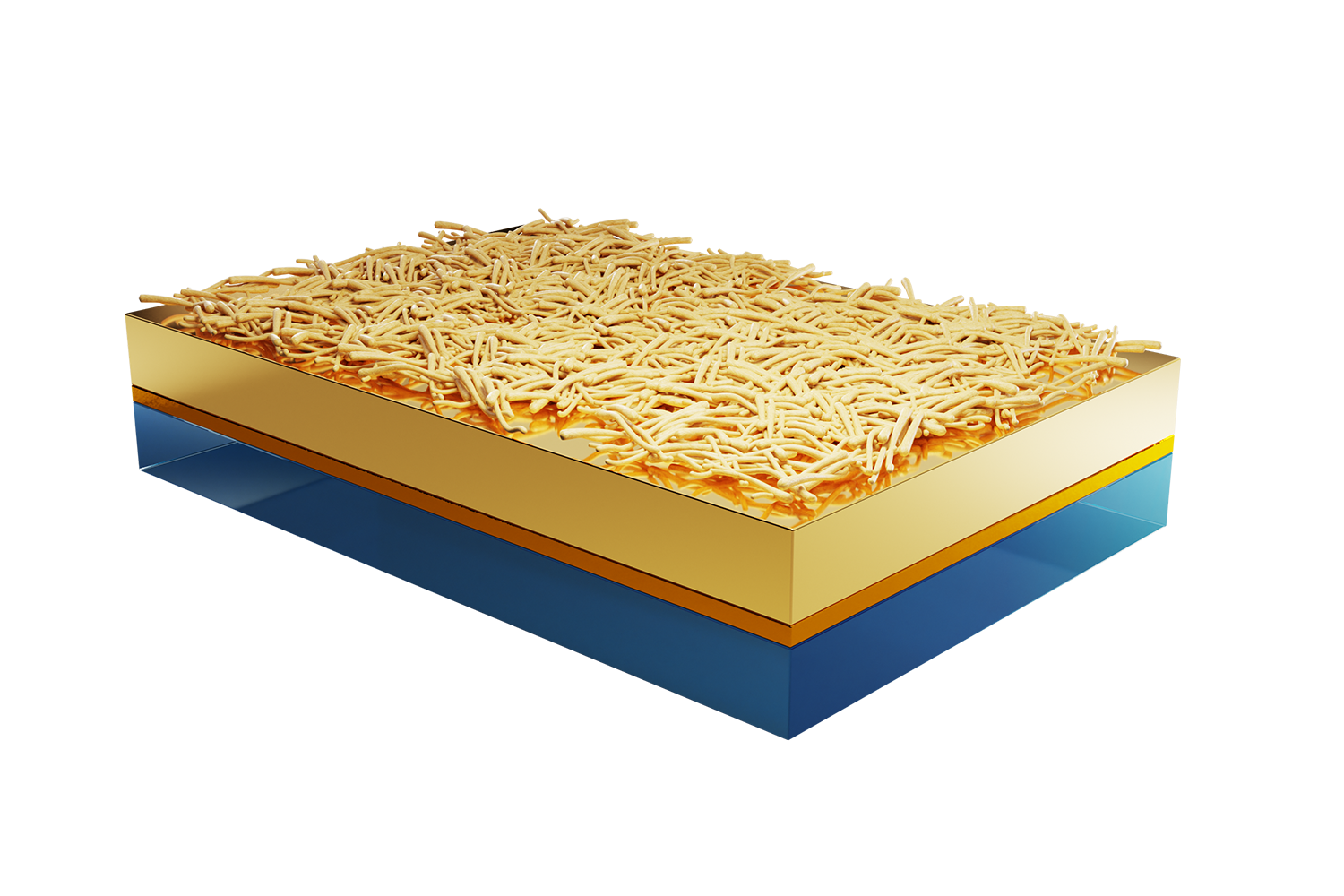
Polymer layers can be prepared directly on compatible MP-SPR sensor slides using ex situ deposition techniques such as spin coating, allowing researchers to create customized surfaces that closely represent the materials used in their applications. This flexibility supports the characterization of synthetic polymers, hydrogels, functional coatings, biomaterials, and responsive polymer systems.
Gold MP-SPR sensor slides with customized polymer coatings are available for studying polymer properties, surface interactions, adsorption, swelling, and other processes at polymer interfaces. Available polymer-coated sensor surfaces include:
- Nanofibrillar Cellulose (NFC)
- Polydimethylsiloxane (PDMS)
- Poly(methyl methacrylate) (PMMA)
- Polystyrene–Poly(methyl methacrylate) (PS-PMMA)
These pre-coated sensor slides provide well-defined polymer surfaces for real-time MP-SPR measurements and are well suited for research involving biomaterials, coatings, polymer–biomolecule interactions, adsorption, and soft-material characterization.
Customized sensors
Not seeing the sensors that you need? Contact us for custom functionalized sensors.
Want to learn more? Talk to a scientist:
Lorem ipsum dolor sit amet, consectetur adipiscing elit. Ut elit tellus, luctus nec ullamcorper mattis, pulvinar dapibus leo.